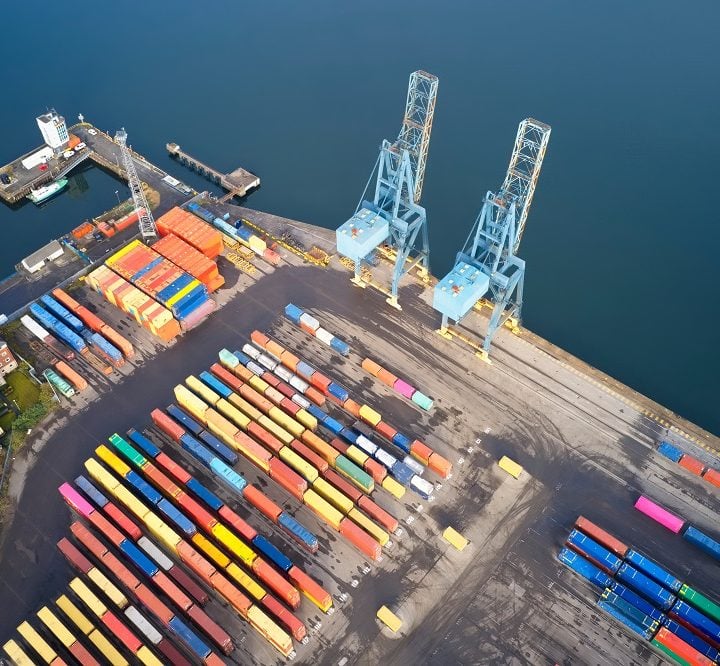
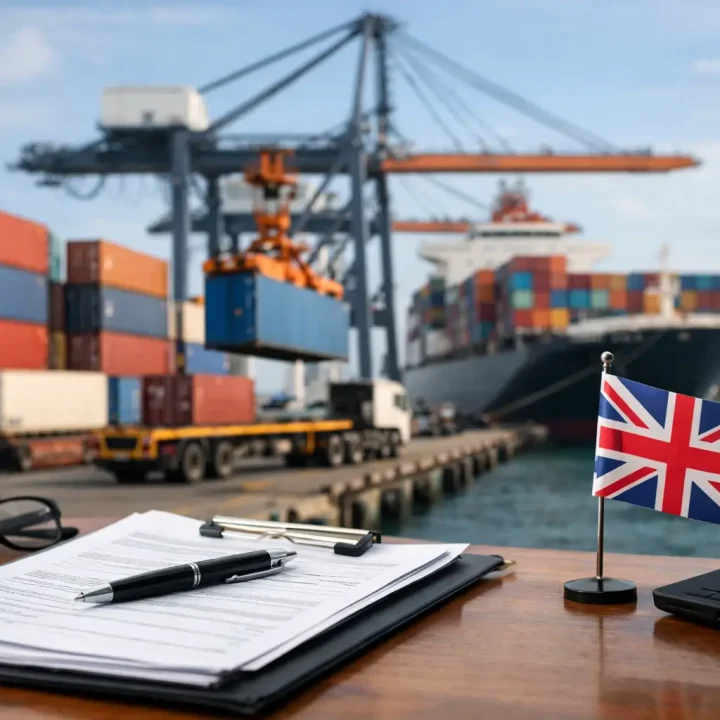
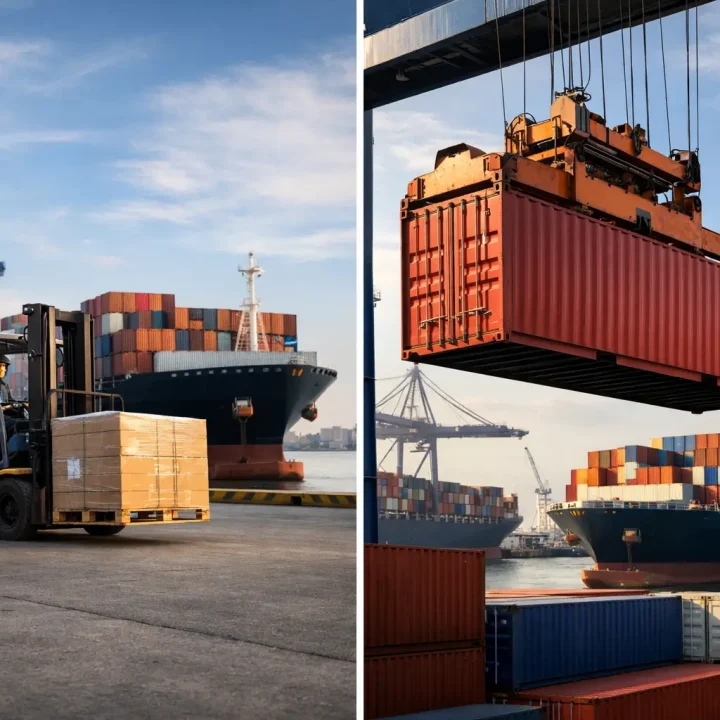
A container can arrive at Felixstowe on schedule and still become an expensive problem. A missing commodity detail, an unpaid duty amount, a damaged pallet or an unavailable delivery slot can stop goods moving when stock is needed most. The top logistics risks for importers are rarely confined to the sea, air or road journey itself. They arise in the handovers between suppliers, carriers, ports, customs agents, warehouses and final delivery networks.
For UK businesses, the commercial impact is immediate: missed sales, production downtime, demurrage charges, disappointed customers and working capital tied up in stock that cannot be sold. The right response is not simply to choose the cheapest freight rate. It is to plan each stage of the movement, confirm responsibilities and maintain visibility from collection through to delivery.
The top logistics risks for importers and how to reduce them
1. Incorrect customs data and commodity classification
Customs errors are among the most preventable causes of clearance delays. An incorrect HS code, vague goods description, missing licence requirement or inaccurate value can lead to questions from customs authorities, revised duty and VAT calculations, inspections or penalties. The risk is greater where goods have multiple components, are subject to product controls or are imported for the first time.
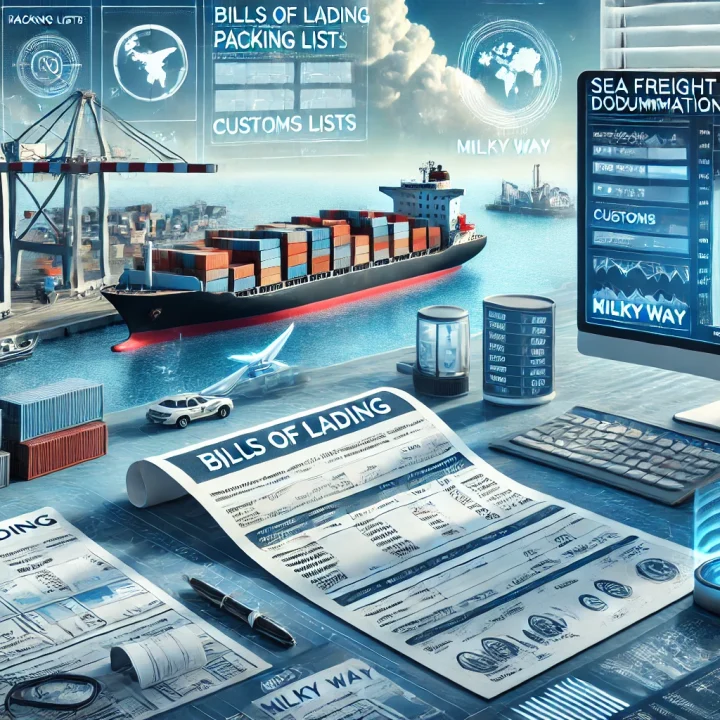
Descriptions such as “parts”, “samples” or “accessories” are seldom sufficient on their own. Customs declarations need a clear account of what the goods are, what they are made from, how they are used and where they were manufactured. The commercial invoice, packing list and transport documents must support the same facts.
Importers should confirm commodity codes before goods depart, not when the shipment is already at the border. Check whether the product needs a licence, certificate, safety documentation or special marking. If classification is uncertain, obtain practical customs guidance early and retain the supporting product information for future shipments. A consistent declaration process also reduces the chance of one supplier using a different description from another.
2. Duty, VAT and landed-cost surprises
A low freight quotation does not necessarily mean a low import cost. Duty rates, import VAT, port fees, customs clearance charges, inspections, storage and delivery costs all affect the true landed cost. Currency movements can add another layer of uncertainty when freight or supplier invoices are issued in US dollars, euros or yuan.
The key question is not only “What does transport cost?” but “What will it cost to make these goods available for sale or use in the UK?” This should be calculated before placing an order, using the correct customs value and origin information. Preferential duty treatment may be available under a trade agreement, but only where the goods meet the relevant rules of origin and the required evidence is available.
Incoterms matter here. Under EXW, for example, the buyer may take responsibility much earlier than expected, including collection and export procedures. Under DAP, the buyer is generally responsible for import clearance and local charges. Terms should be agreed in writing, understood by both parties and matched to the operational reality of the shipment.
3. Supplier readiness and origin-side disruption
Freight cannot leave until the cargo is ready, correctly packed and released for collection. Yet many schedules are built around a supplier’s estimated completion date rather than a confirmed collection-ready date. Production overruns, incomplete packing, factory closures, export clearance delays and missed cut-offs can then cause a booking to roll to the next sailing or flight.
This is particularly costly for seasonal retail stock, launch products and manufacturing components. A delayed container may still arrive eventually, but its commercial value can be significantly reduced if the selling window has passed.
Build realistic lead times that include production, packing, origin documentation, collection and terminal cut-offs. Ask suppliers to provide carton counts, weights, dimensions and cargo-ready dates early enough to select the right service. For critical flows, consider whether a split shipment is more sensible: move the urgent quantity by air freight or express service, with the balance travelling by sea. It costs more per kilogram, but can protect revenue or prevent a production line stopping.
4. Capacity constraints, route disruption and missed connections
Ocean schedules change, air freight capacity tightens and road networks are affected by weather, congestion, driver availability and border conditions. A direct route may be preferable for time-sensitive cargo, while a transhipment route can offer a lower rate but introduces another handover and another opportunity for delay.
There is no single best mode. Full container load shipping may provide control and reduce handling for larger volumes. Less-than-container load shipping can be cost-effective for smaller consignments, but consolidation and deconsolidation add time. Rail and multimodal options may suit certain Europe-Asia movements, while European road haulage can provide flexibility for regional collections and deliveries.
Importers should plan around a delivery requirement, not simply a published transit time. Factor in peak seasons, port congestion, customs processing, terminal handling and final-mile booking availability. Where the date is critical, use a service with appropriate routing, capacity and monitoring rather than relying on the lowest-cost option.
5. Cargo damage, loss and unsuitable packing
Goods may be handled several times between supplier collection and final delivery. This is normal in international freight, particularly for LCL, groupage and multimodal movements. Fragile products, machinery, electronics, dangerous goods and unusually shaped cargo need packing that reflects those handling conditions.
A cardboard carton that performs adequately for a local delivery may not protect goods during container loading, sea movement, warehouse handling and pallet distribution. Moisture, compression, vibration and poor load restraint are common causes of damage. Incorrectly declared dangerous goods can create an even more serious operational and safety risk.
Packing should be matched to the mode, commodity and journey. That may mean export-grade cartons, moisture protection, pallets, shrink wrap, timber crating, blocking and bracing, or purpose-built cases. Confirm package dimensions and gross weights accurately, and ensure handling marks are clear. For high-value cargo, serial-number records, condition photographs and controlled handovers can strengthen both security and any later claim.
Cargo insurance also deserves attention. Carrier liability is often limited and may not reflect the commercial value of the goods. Insurance guidance should be considered before departure, with the policy scope checked against the cargo, route and declared value.
6. Port storage, demurrage and detention charges
When a container or consignment arrives, the clock starts. Free time at the port, terminal or depot is limited. Delays in clearance, payment, collection, unpacking or returning equipment can result in demurrage, detention and storage charges that escalate quickly.
These charges are not always caused by the importer alone. A late release, customs query, unavailable haulier or warehouse receiving restriction can all contribute. But the importer still needs a clear plan for who is monitoring arrival notices, arranging clearance, booking delivery and returning empty equipment.
Before shipping, establish the destination process. Confirm free-time allowances, required documents, customs clearance arrangements, delivery address restrictions and warehouse opening hours. If goods need temporary storage, arrange it deliberately rather than allowing freight to sit at a port by default. A coordinated forwarder can manage carrier communication, customs formalities, delivery planning and shipment updates as one connected process.
7. Weak shipment visibility and unclear ownership
Many import problems become expensive because nobody acts early enough. A supplier assumes the buyer arranged collection. The buyer assumes the customs entry is underway. The warehouse does not know a lorry is due. By the time the issue is visible, a cut-off has been missed or charges have started to accrue.
Clear ownership prevents this. Each shipment should have a named contact responsible for supplier follow-up, document approval, customs instruction, delivery booking and exception management. Updates should be meaningful: cargo collected, departed, arrived, cleared, delivery booked or delayed, with a practical next action where required.
For regular importers, a simple shipment tracker can reveal repeated issues by supplier, route, carrier or product type. That information is useful when renegotiating lead times, changing packing specifications or deciding whether a route remains commercially viable.
Build risk control into every booking
The strongest import process is not the one with the most paperwork. It is the one where the right information is checked at the right time: before purchase, before collection, before departure, before arrival and before delivery. Milky Way Logistics coordinates freight, customs documentation, storage and final delivery across international movements, giving importers one practical point of contact when several parties need to act together.
If a shipment is high-value, urgent, controlled or simply too important to leave to assumptions, request a tailored, no-obligation freight quotation early. The best time to solve a logistics risk is while there is still time to choose the route, prepare the documents and protect the delivery date.