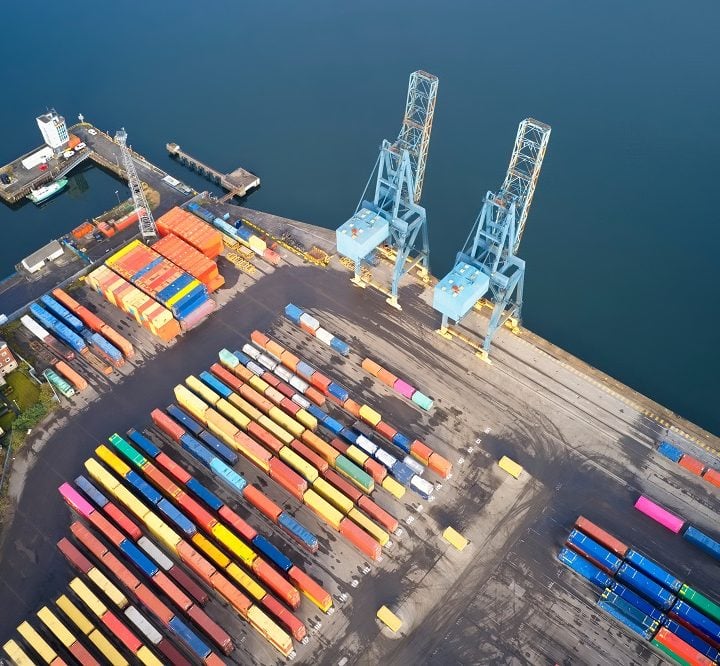
A container can be physically at the port while a production line waits for parts, a retailer has no confirmed delivery date, and a customs query is still unresolved. Cargo visibility is what turns that uncertain period into a manageable plan. It gives importers and exporters a clear view of where goods are, what stage they have reached, what could affect the schedule, and who is taking action.
For commercial shipments, visibility is not simply a tracking link. It is the combination of accurate milestones, practical communication and active coordination across carriers, ports, warehouses, customs authorities and final-mile delivery providers. When that information is clear, supply-chain teams can make better decisions before a delay becomes an expensive problem.
What Cargo Visibility Means in Freight
Cargo visibility is the ability to follow a consignment from collection through to final delivery, with meaningful status updates at each key point. Depending on the transport mode, this may include collection confirmation, warehouse receipt, flight departure, vessel loading, port arrival, customs clearance, release, onward haulage and proof of delivery.
The detail matters. A status showing that a vessel has arrived does not necessarily mean goods are available for collection. Containers may still require discharge, terminal processing, customs clearance, release documentation or a booked collection slot. Similarly, an air freight shipment may have landed but be awaiting handling, security checks or import entry completion.
Good visibility therefore combines location with context. It should answer the operational questions that affect your business: Is the cargo moving as planned? Has the carrier changed the schedule? Are documents complete? Is customs clearance progressing? When can stock, machinery or components realistically be delivered?
Why Visibility Protects Cost, Service and Planning
Freight delays cannot always be prevented. Weather, port congestion, carrier schedule changes, capacity constraints and border checks are part of international trade. The difference is how quickly a business knows about an issue and whether it has enough information to respond.
For a manufacturer, advance notice of a delayed inbound shipment may allow production to be rescheduled or alternative stock to be allocated. For a retailer, it can inform warehouse labour planning and customer communications. For an exporter, it can help avoid missing a buyer’s receiving window or a time-sensitive event.
Visibility also supports cost control. Demurrage, detention, storage and failed delivery charges often arise when cargo is ready but the next action is not arranged promptly. Clear updates on arrival, customs status and collection requirements give the consignee and logistics team time to prepare. This is particularly valuable for containers, palletised freight, dangerous goods and high-value consignments where handling arrangements may be more complex.
There is a customer-service benefit too. Businesses do not need constant updates for every routine movement. They do need a reliable answer when a sales team, buyer or site manager asks where critical goods are. A clear status and a realistic delivery estimate are more useful than a vague assurance that the shipment is being tracked.
The Milestones That Matter Most
The right milestones depend on whether goods travel by air, sea, road, rail or a multimodal route. A practical freight update should focus on events that change what your team needs to do next.
Before the Goods Depart
Visibility begins before collection. Confirming the collection address, cargo readiness date, package count, weight, dimensions and commodity details helps prevent avoidable disruption. For international movements, the commercial invoice, packing list, commodity classification, Incoterms and exporter or importer information must also be checked early.
At this stage, a freight coordinator can identify whether the shipment needs specialist packing, crating, palletisation, export declarations, dangerous-goods checks or a particular vehicle. This is not administrative detail. Incorrect cargo data can affect carrier acceptance, customs treatment, cost and transit time.
During International Transport
Once freight is in transit, the most useful updates are departure confirmation, estimated arrival changes, transhipment movements and any exception that could affect delivery. Sea freight schedules can change between booking and arrival, especially where vessels call at multiple ports or cargo moves through a hub. Air freight can be affected by flight capacity, handling delays or security requirements. European road freight may be influenced by border procedures, driving-time rules and congestion.
Estimated times of arrival are helpful planning tools, but they are not guarantees. The most dependable approach is to treat them as live operational information and review them as a shipment progresses. Where timing is critical, a forwarder should explain the available options, whether that means a different service level, an alternative gateway or an onward delivery plan that reduces waiting time.
At Arrival and Customs Clearance
Arrival is a major milestone, but it is only one part of the import process. Goods may need an import declaration, supporting documents, duty and VAT arrangements, inspections or a transit procedure before they can move onward.
Cargo visibility at this point should distinguish between arrival, customs entry submission, customs release, terminal release and collection booking. Those are separate events, and confusing them can lead to incorrect delivery expectations. For first-time importers in particular, this clarity makes customs processes easier to manage and helps avoid delays caused by missing or inconsistent documentation.
Final Delivery and Proof of Receipt
The final stage is where an international shipment becomes available to your business or customer. Delivery visibility should include collection from the port or warehouse, booked delivery timing where applicable, delivery completion and proof of delivery.
For larger or unusual consignments, the delivery plan may require more than a standard vehicle booking. Site access, vehicle type, unloading equipment, timed slots and safe handling all need consideration. Early communication is essential for machinery, oversized cargo, fragile goods and consignments requiring tail-lift or specialist delivery arrangements.
Visibility Is Only Useful When Someone Acts on It
Technology has improved the availability of freight data, but data alone does not resolve a held shipment or secure a new delivery appointment. Carrier portals can show a container number or flight status, yet they may not explain the commercial impact, identify a missing document or coordinate the next step with a customs agent, warehouse and haulier.
This is where active freight management matters. A capable logistics partner reviews milestones, checks documentation, follows up on exceptions and communicates the practical options. If a shipment is delayed, the priority is not merely to report the delay. It is to establish why it has happened, what the revised timetable is, and whether an alternative action is needed.
The level of monitoring should reflect the shipment’s value and urgency. A regular LCL consolidation may only need milestone updates and a confirmed arrival plan. Urgent air freight, production-critical components or high-value goods may require closer follow-up and faster escalation. More frequent reporting has a cost in time and administration, so the best service is proportionate rather than excessive.
How to Improve Cargo Visibility Across Your Supply Chain
Start by agreeing what information your team genuinely needs to run the shipment well. This usually includes a booking reference, confirmed collection date, transport mode, departure and arrival estimates, customs status, delivery plan and a named contact who can answer exceptions quickly.
Then make sure the information supplied at booking is accurate. Package dimensions, weights, descriptions, values and consignee details should match the shipping documents. Small inconsistencies can create avoidable carrier queries or customs delays, particularly when goods move across several transport modes.
It is also worth setting clear internal triggers. For example, your purchasing team may need notification when goods depart, your customs contact when freight arrives, and your warehouse team once delivery is booked. This reduces duplicated chasing and gives each team time to prepare for its part of the process.
For shipments with tight deadlines, build contingency into the route plan. Air freight may offer speed for urgent stock, while FCL or LCL sea freight can provide a more cost-effective option for less time-sensitive cargo. European road haulage may be the practical choice for direct regional deliveries, and rail or multimodal transport can suit specific volumes and routes. The correct choice depends on cost, lead time, cargo characteristics and the consequences of delay.
Milky Way Logistics coordinates transport, customs formalities, documentation, storage and delivery monitoring so customers have a clearer view of freight from collection to final destination. That coordinated approach is particularly useful when cargo moves through multiple carriers, borders or handling points.
A shipment does not need constant attention to stay under control. It needs the right milestones, accurate documents and a responsive team ready to act when plans change. If you need clearer updates and a practical route plan for your next import or export movement, request a tailored, no-obligation freight quotation.