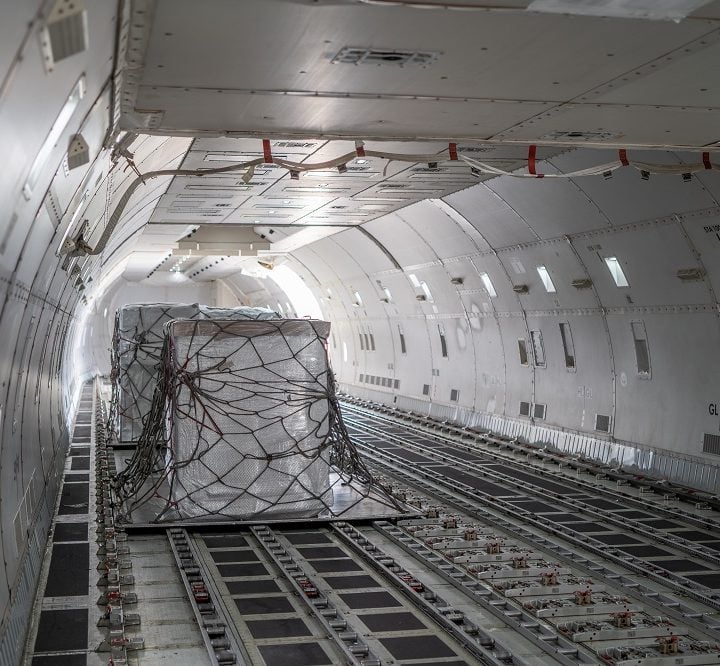
A cracked screen, damaged connector or loose internal component can turn a valuable electronics shipment into a costly claim, delayed order or production stoppage. Knowing how to ship fragile electronics properly means treating packing, handling, freight selection and customs paperwork as one controlled process – not as separate tasks.
For commercial consignments, the right approach depends on the equipment itself: a pallet of boxed monitors needs different protection from laboratory instruments, server racks, telecoms equipment or high-value prototypes. The route, mode of transport, number of handling points and destination requirements all affect the level of protection required.
Start with the risks, not the box
Fragile electronics are vulnerable to more than a direct impact. Vibration can damage circuit boards and solder joints over a long road or sea journey. Compression can crack casings when cartons are stacked incorrectly. Moisture, static electricity and temperature changes can also affect sensitive components, particularly when goods move through multiple warehouses, ports or climate zones.
Before arranging collection, assess the consignment’s specific risks. Record the dimensions, weight, declared value, battery type, sensitivity to temperature and any manufacturer packing instructions. Identify parts that are especially exposed, such as screens, lenses, ports, control panels and protruding fittings.
Original manufacturer packaging is usually the best starting point where it is available and in good condition. It has been designed around the product’s shape and weight. However, original packaging alone may not be sufficient for international freight, pallet distribution or repeated handling. It often needs a stronger outer carton, protective void fill or a purpose-built crate.
How to ship fragile electronics with the right packing
Effective packing prevents movement inside the box and protects the outer structure from normal freight handling. The goal is not simply to add more material. It is to create the right layers of protection for the product and transport method.
Protect the item first
Wrap individual units in anti-static material where appropriate, particularly for exposed electronic components and circuit boards. Use fitted foam, moulded inserts or high-quality cushioning to keep the item stable. Avoid materials that can shed particles, create static or compress completely under weight.
Screens and glass panels need particular attention. Use a protective face layer, reinforced edge protection and enough clearance from the carton wall to prevent an external knock reaching the display. Cables, chargers and accessories should be packed separately or secured so they cannot move and scratch the main unit.
The item should not shift when the carton is gently moved. Empty space is a common cause of damage because it allows momentum to build during loading, unloading and transit.
Choose a strong outer carton or crate
Select a double-wall or heavy-duty carton that suits the product’s weight and dimensions. A box that is too large requires excessive void fill and can collapse under stacking pressure. One that is too tight transfers impacts directly to the equipment.
For high-value, heavy, unusually shaped or highly sensitive electronics, timber crating can provide a better level of protection. A well-designed crate secures the goods, allows safe forklift handling and reduces the risk of crush damage. For international shipments, any timber packaging must meet the relevant treatment and marking requirements.
Where several cartons travel together, palletise them rather than sending loose boxes. Stack cartons in a stable pattern, keep the load within the pallet footprint and use corner boards, stretch wrap and strapping where suitable. A properly built pallet is less likely to be mishandled than multiple individual parcels.
Keep moisture and static under control
Sea freight and long multimodal movements can expose cargo to humidity and condensation. Use sealed inner bags, desiccants or moisture-barrier protection where the product and journey warrant it. This is particularly relevant for containerised cargo, equipment stored at port and shipments moving between very different climates.
For sensitive electronics, use electrostatic discharge protection and make sure warehouse teams understand any handling restrictions. Labels can support safe handling, but they do not replace correct packaging.
Select a freight service that suits the shipment
The fastest option is not always the safest or most cost-effective one. Freight mode should be chosen around the goods’ value, urgency, dimensions, route and tolerance for handling.
Air freight is often suitable for urgent, compact and high-value electronics. Transit times are shorter, which can reduce exposure to repeated handling and prolonged environmental changes. The trade-off is cost, especially for bulky goods with a high volumetric weight.
European road haulage can be a practical choice for palletised electronics moving between the UK and mainland Europe. A direct or dedicated vehicle service may reduce transhipments for sensitive consignments, while groupage can offer better value for less urgent loads. The right choice depends on how much handling the goods can tolerate and the required delivery window.
Sea freight is generally the most economical option for larger volumes, regular stock replenishment and container loads. It requires more rigorous protection against moisture, vibration and stacking, particularly for LCL shipments where cargo shares container space with other consignments. For certain loads, FCL can provide greater control because the goods remain in one container from loading to arrival.
A freight coordinator should also consider collection and final-mile delivery. The most carefully packed equipment can still be damaged if the collection vehicle, loading plan or delivery vehicle is unsuitable for the pallet size and weight.
Make handling instructions visible and practical
Use clear labels for orientation, fragile handling, moisture protection and any lifting restrictions. If cartons must remain upright, mark all relevant sides. If equipment has a centre-of-gravity issue or requires a particular unloading method, provide this information before collection as well as on the shipment.
That said, labels are only one control. In a busy freight network, goods may be loaded by teams who have not seen the original booking notes. The packaging must withstand reasonable handling even if a fragile label is overlooked.
For valuable or sensitive shipments, share photographs of the packed goods and pallet condition before collection. This creates a useful record of the cargo’s condition and helps establish accountability if a problem arises later. Consider tilt, shock or temperature indicators when evidence of handling conditions is commercially important.
Get the commercial documents and customs details right
Electronics shipments can be delayed just as easily by paperwork errors as by physical damage. The commercial invoice should accurately describe the goods, state their value, country of origin and agreed Incoterms, and include the correct commodity classification where required. The packing list should match the actual number of cartons, weights, dimensions and pallet details.
Avoid vague descriptions such as “electronic items” or “parts”. Customs authorities and carriers need a clear, commercially accurate description, for example industrial control units, desktop computers, network switches or audio equipment. Incomplete descriptions can lead to queries, valuation issues or clearance delays.
Batteries require additional care. Lithium batteries are subject to transport rules that vary depending on whether they are contained in equipment, packed with equipment or shipped separately. Capacity, configuration, packaging, labels and supporting declarations may all matter. Do not assume a courier or freight carrier can accept the shipment without checking the battery details first.
Cargo insurance should also be considered based on the goods’ value and the shipment terms. Carrier liability is often limited and may not reflect the full replacement cost of specialist electronics. Accurate packing records, condition photographs and documentation support a stronger claim position if damage occurs.
Build visibility into the shipment plan
For fragile electronics, shipment visibility is part of risk management. Confirm collection times, freight departure, customs status, destination arrival and final delivery booking. This allows the receiving team to prepare suitable unloading equipment and inspect the consignment promptly.
On arrival, check outer cartons, pallet wrap, crate condition and any shock indicators before signing acceptance. If there is visible damage, record it clearly on the delivery paperwork and take photographs straight away. Where practical, inspect the equipment before the driver leaves rather than waiting until it reaches the installation point.
Milky Way Logistics can coordinate protective packing, crating, palletisation, customs documentation and the most suitable air, sea, road or multimodal service for sensitive commercial cargo. Request a tailored, no-obligation freight quotation with the equipment details, route, timing and handling requirements, and make safe delivery part of the shipment plan from the first booking.