A successful export from the UK to China is decided well before the goods reach a port or airport. The practical questions are whether the buyer can import the product, which party carries the customs and duty responsibility, and whether the freight service matches the cargo, deadline and budget. Getting those decisions right prevents avoidable storage charges, border delays and strained customer relationships.
For UK businesses, China remains a major commercial market, but it is not a one-size-fits-all destination. A pallet of non-regulated components, an urgent electronics consignment and a container of machinery each require a different plan. The right route combines accurate documentation, appropriate packing, a capable Chinese importer and transport that is proportionate to the value and urgency of the shipment.
Start with the Chinese import requirement
Before booking freight, confirm that the Chinese buyer or consignee is authorised to import the goods and understands the destination requirements. In many cases, the importer must hold the correct registrations, licences or approvals before customs clearance can proceed. This is particularly relevant for food, drink, cosmetics, medical products, chemicals, batteries, wood packaging, animal or plant-derived products and goods subject to Chinese product standards.
Do not rely solely on a product description such as “machine parts” or “samples”. The commodity must be classified correctly. Its HS code affects customs treatment, duty, import VAT, possible licensing and whether inspection or testing may be required. A UK export code and the Chinese import tariff classification may need checking separately, especially where a product sits within a detailed tariff heading.
The commercial terms matter just as much. Incoterms set out who arranges transport, insurance, clearance and delivery at each stage. EXW, FCA, FOB, CFR, CIF, DAP and DDP can all be used for trade with China, but they do not replace a clear sales agreement. For example, DDP may look attractive to a buyer, yet it can create significant exposure for a UK seller if it is not properly structured around Chinese import tax and local compliance.
Choose the best freight option from the UK to China
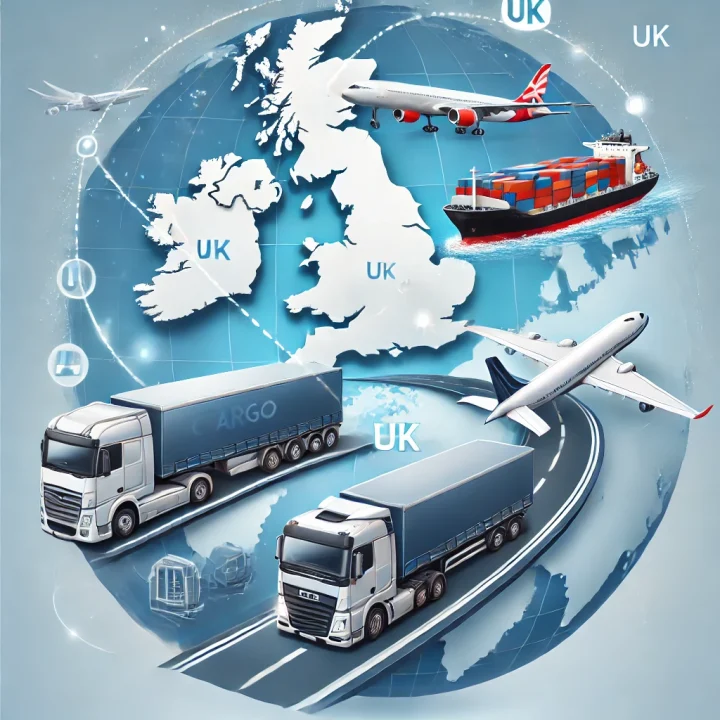
The best mode depends on the cargo’s size, value, handling needs and delivery deadline. A forwarder should assess the complete journey, including UK collection, export clearance, carrier schedules, destination handling and final delivery, rather than quoting only a port-to-port transit time.
Air freight for urgent or high-value cargo
Air freight is often the strongest choice for time-critical goods, high-value electronics, smaller commercial consignments and stock needed quickly by a Chinese customer. Airport-to-airport transit can be fast, but the total lead time also includes collection, security screening, airline cut-off times, export customs processing and clearance on arrival.
Air freight is charged by actual or volumetric weight, so inefficient packaging can raise the cost considerably. It is also subject to strict rules for dangerous goods, including lithium batteries, aerosols, chemicals and certain equipment containing batteries. Accurate dangerous goods declarations, compliant packaging and correct labels are essential.
Sea freight for larger volumes and cost control
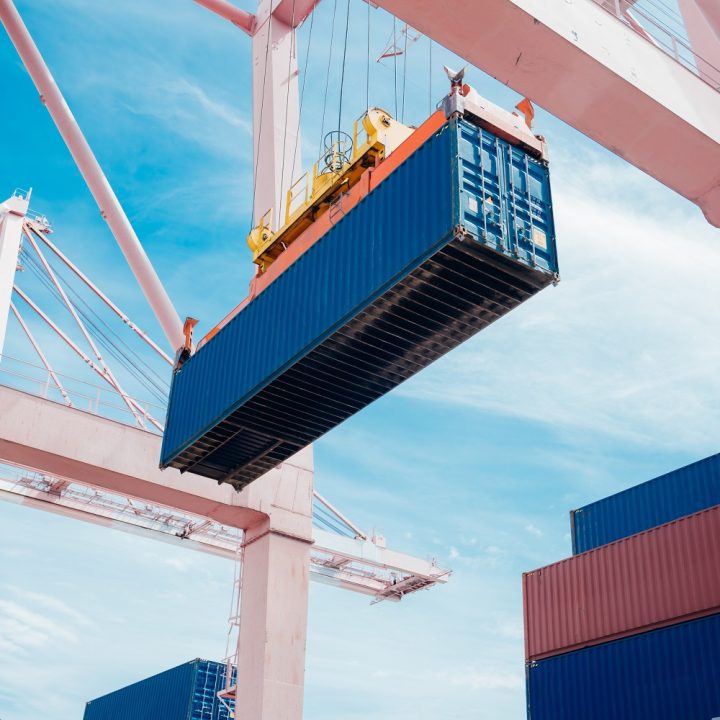
Sea freight is generally the most cost-effective choice for heavy, non-urgent or high-volume cargo. A full container load, or FCL, gives a business exclusive use of a 20ft, 40ft or 40ft high-cube container. It is often suitable for machinery, retail stock, manufacturing inputs and regular replenishment shipments.
Less than container load, or LCL, lets exporters share container space with other cargo. This can suit a smaller shipment, although the cost is not simply a fraction of FCL. Consolidation, warehouse handling and destination charges can make LCL less economical as volume increases. Once cargo approaches a meaningful share of a container, comparing both options is worthwhile.
Sea freight schedules are reliable when planned properly, but transit takes longer and can be affected by port congestion, blank sailings and seasonal demand. Build sufficient lead time into purchase orders, particularly before Chinese public holidays when factories, ports and local delivery networks may operate differently.
Rail and multimodal freight for balanced lead times
Rail freight and multimodal solutions can provide an alternative between air and sea for selected cargo lanes. They may offer shorter transit than sea freight at a lower cost than air, but suitability depends on origin, destination, capacity, customs transit arrangements and the nature of the goods. For some supply chains, a combination of road collection, rail movement and final-mile delivery produces a sensible balance of cost and speed.
Prepare the documents before collection
Documentation should be checked before goods leave the UK. Small errors in values, quantities, commodity descriptions or party details can lead to questions from customs, amendment costs or destination delays.
The core document set normally includes:
- A commercial invoice showing seller and buyer details, a clear goods description, quantity, unit and total value, currency, Incoterm, country of origin and HS code.
- A packing list showing the number and type of packages, net and gross weight, dimensions and package marks.
- A transport document, such as an air waybill or bill of lading, issued for the chosen freight movement.
- The UK export declaration and any supporting licences, certificates, inspection documents or origin evidence required for the commodity.
Certificates of Origin may be requested by the buyer, bank or Chinese authorities. They should not be treated as a routine formality without checking the actual requirement. Equally, businesses should not assume a preferential duty rate applies merely because goods are made in the UK. Origin rules and trade arrangements must be verified for the specific product.
Where wooden pallets, crates or dunnage are used, the timber should meet ISPM 15 requirements where applicable. Good packing also protects the shipment from repeated handling, humidity and long-distance transport. Crating, palletisation, moisture protection and clear shipping marks are particularly valuable for machinery, fragile goods and mixed consignments.
Customs clearance with confidence
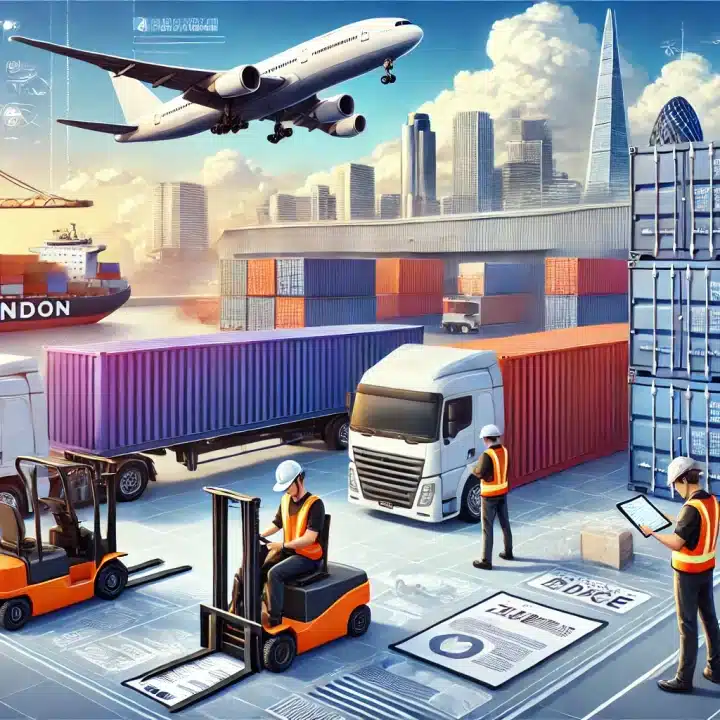
UK export clearance is required before commercial goods depart Great Britain. The exporter must provide accurate information for the export declaration, including the correct commodity code, value, procedure and consignee details. Depending on the goods and destination, export controls may also apply. Controlled technology, dual-use items and military-related goods require particular care.
At destination, Chinese customs assesses the import declaration, product classification, declared value and supporting documentation. Import duty, import VAT and other taxes or charges may be due. The party responsible should be agreed in advance, with funds and authorisation in place. A shipment can arrive physically on time yet still sit awaiting clearance if the importer cannot provide a required approval or respond to a customs query.
Clear communication between UK exporter, freight coordinator and Chinese consignee is the practical safeguard. Send documents early, not after the vessel has sailed or the flight has landed. If the buyer appoints a local customs agent, confirm their contact details and documentation deadline before departure.
Plan for the real delivery date, not just transit time
A shipping quote should be compared on more than the headline freight rate. Ask what is included at origin and destination, how customs clearance is handled, whether destination charges are estimated, and who coordinates final delivery. For sea freight, check whether the quoted service is port-to-port, door-to-port or door-to-door. For air freight, ask whether collection, security screening and local delivery are included.
Cargo insurance is another commercial decision. Carrier liability is limited and may not reflect the invoice value of the goods. Where a loss would materially affect the business or customer relationship, seek cargo insurance guidance before shipment.
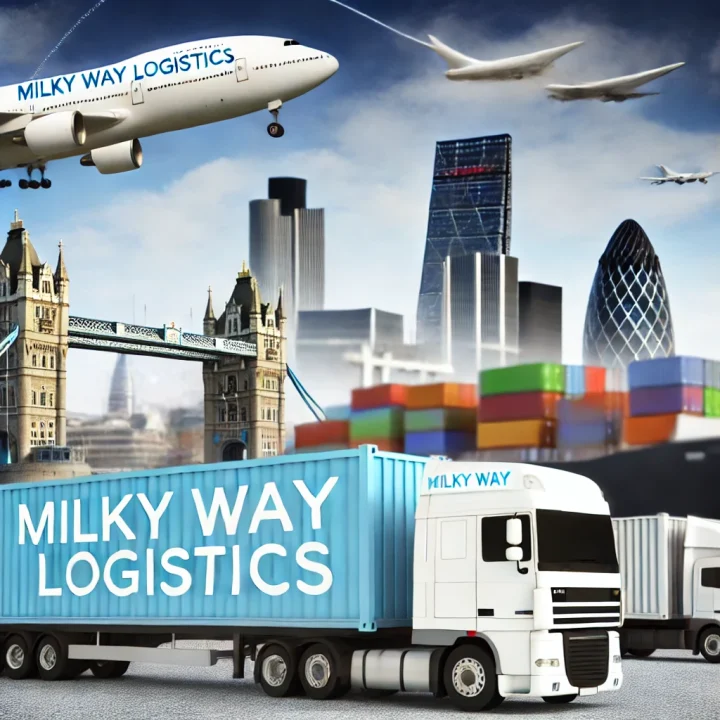
Milky Way Logistics can coordinate collection, packing support, export documentation, carrier booking, customs formalities and delivery planning for commercial shipments to China. The aim is not merely to move freight, but to give the exporter a clear route, defined responsibilities and useful shipment updates from collection through to final delivery.
If you are preparing a first order or reviewing a regular lane, request a tailored, no-obligation freight quotation with the cargo dimensions, weight, collection point, Chinese destination, commodity and required delivery date. A well-scoped quote is often the first step towards fewer surprises once the goods are in transit.