Skip to Content

Latest News & Insights

Every day we learn something new and useful that we want to share with you.

Quiz: What Is The Best Shipping Solution for Your Business?

What is The Best Shipping Solution for your Business

Take the Quiz to Find about the Best Shipping Solution for your Business

Quiz: What Type of Shipping Solution is The Best Shipping Solution for Your Business?

Choosing the best shipping solution for your business can be a daunting task. With numerous options available, it’s essential to find a solution that meets your specific needs in terms of cost, speed, and reliability. At Milky Way Logistics, we understand the complexities of global shipping and are here to help you navigate through them. Take our quiz to discover the best shipping solution for your business!

Understanding Your Shipping Needs

Before diving into the quiz, let’s explore the various shipping options available:

  1. Air Freight: Ideal for urgent or high-value shipments that need to reach their destination quickly. Air freight is fast and reliable but comes at a higher cost compared to other modes of transport.
  2. Sea Freight: Perfect for large volumes of goods that are not time-sensitive. Sea freight is cost-effective but slower, making it suitable for bulk shipments.
  3. Rail Freight: A balanced option between cost and speed, rail freight is gaining popularity for transporting goods across continents. It’s faster than sea freight and more economical than air freight.
  4. Road Freight: Best for domestic or short-distance international shipments. Road freight offers flexibility and convenience, making it ideal for regional deliveries.

Take the Quiz: What’s the Best Shipping Solution for Your Business?

Answer the following questions to determine the best shipping solution for your business needs.

1. What is the most important factor for your shipments?

  • A. Speed
  • B. Cost
  • C. A balance of both
  • D. Flexibility

2. What is the average volume of your shipments?

  • A. Small parcels or packages
  • B. Large containers or bulk shipments
  • C. Moderate-sized shipments
  • D. Varies significantly

3. How time-sensitive are your deliveries?

  • A. Extremely urgent (within days)
  • B. Flexible (within weeks)
  • C. Moderately urgent (within a week or two)
  • D. Depends on the shipment

4. What is your budget for shipping?

  • A. High budget
  • B. Limited budget
  • C. Moderate budget
  • D. Varies depending on the shipment

5. Are your shipments international or domestic?

  • A. Mostly international
  • B. International, with a focus on overseas
  • C. International, within the same continent
  • D. Mostly domestic or regional

Results: Find Your Best Shipping Solution

Mostly A’s: Air Freight

If speed is your top priority and you’re willing to invest in fast delivery, air freight is the best shipping solution for your business. Ideal for urgent or high-value shipments, air freight ensures your goods reach their destination quickly and safely. Although it is more expensive, the reliability and efficiency of air freight make it worth the investment for time-sensitive deliveries.

Mostly B’s: Sea Freight

For businesses looking to ship large volumes of goods at a lower cost, sea freight is the ideal solution. While it takes longer for shipments to reach their destination, sea freight is highly cost-effective for bulk shipments. This option is perfect for goods that are not time-sensitive and can withstand longer transit times.

Mostly C’s: Rail Freight

If you need a balance between cost and speed, rail freight offers an excellent solution. It’s faster than sea freight and more economical than air freight, making it suitable for moderately urgent shipments across continents. Rail freight is particularly advantageous for businesses that need a reliable middle ground in their shipping strategy.

Mostly D’s: Road Freight

For businesses with domestic or regional shipping needs, road freight provides the best flexibility and convenience. Whether you’re shipping small parcels or varying shipment sizes, road freight can accommodate your needs with ease. It’s an excellent choice for short-distance deliveries where flexibility and quick turnaround are essential.

Conclusion

Finding the best shipping solution for your business involves understanding your specific needs and priorities. Whether you prioritize speed, cost, or flexibility, there’s a shipping option that perfectly aligns with your requirements. At Milky Way Logistics, we offer a comprehensive range of shipping solutions to ensure your goods are transported efficiently and reliably.

We hope this quiz has helped you identify the best shipping solution for your business. For personalized advice and top-tier logistics services, contact Milky Way Logistics today. Let us help you navigate the complexities of global shipping and find the perfect solution for your needs.

0 Continue Reading →

4 Main Impacts of Global Trade Policies on Shipping from China to the UK

4 Main Impacts of Global Trade Policies on Shipping from China to the UK

4 Main Impacts of Global Trade Policies on Shipping from China to the UK By Milky Way Logistics Ltd

The Impact of Global Trade Policies on Shipping from China to the UK

In the interconnected world of global trade, policies set by governments and international bodies play a crucial role in shaping the flow of goods across borders. For businesses engaged in shipping from China to the UK, understanding these trade policies is essential to navigating the complexities of international logistics. At Milky Way Logistics, we strive to keep our clients informed and prepared for the dynamic landscape of global trade. In this blog, we will explore the impact of global trade policies on shipping from China to the UK and how businesses can adapt to these changes.

Understanding Global Trade Policies

Global trade policies encompass a wide range of regulations, agreements, and tariffs that govern international commerce. These policies are influenced by economic, political, and social factors and can have significant implications for shipping routes, costs, and procedures. Key elements of global trade policies include:

  1. Tariffs and Duties: These are taxes imposed on imported and exported goods. Tariffs can affect the cost of shipping from China to the UK and influence the pricing strategies of businesses.
  2. Trade Agreements: Bilateral and multilateral trade agreements, such as free trade agreements (FTAs), can reduce or eliminate tariffs and simplify customs procedures, facilitating smoother trade between countries.
  3. Customs Regulations: Each country has its own set of customs regulations that dictate the documentation, inspection, and clearance processes for imported goods.
  4. Sanctions and Embargoes: Political tensions can lead to sanctions or embargoes that restrict trade with certain countries, impacting supply chains and shipping routes.

The Impact on Shipping from China to the UK

1. Tariffs and Trade Wars

One of the most direct impacts of global trade policies on shipping from China to the UK is the imposition of tariffs. Trade disputes and tariff increases can significantly raise the cost of importing goods. For example, trade tensions between major economies can lead to higher tariffs on specific products, affecting the overall shipping cost and profit margins for businesses.

2. Changes in Trade Agreements

Trade agreements play a vital role in shaping the logistics landscape. The UK’s exit from the European Union (Brexit) brought about significant changes in trade policies. New trade agreements between the UK and other countries, including China, are essential in determining the future of shipping routes, tariffs, and customs procedures.

For businesses involved in shipping from China to the UK, staying informed about these agreements is crucial. Favorable trade agreements can reduce costs and streamline processes, while the absence of agreements can lead to increased tariffs and regulatory hurdles.

3. Customs and Regulatory Compliance

Global trade policies also impact customs regulations and compliance requirements. Both China and the UK have stringent customs procedures that must be followed to ensure the smooth movement of goods. Changes in these regulations can affect the time and cost of shipping.

Milky Way Logistics ensures that our clients are always up-to-date with the latest customs requirements, helping them navigate any regulatory changes effectively. Our expertise in customs clearance minimizes delays and ensures compliance with all relevant regulations.

4. Supply Chain Resilience

Global trade policies can also influence supply chain resilience. Political instability, economic shifts, and policy changes can disrupt established supply chains, necessitating quick adjustments. Businesses shipping from China to the UK must be prepared to adapt their logistics strategies to maintain continuity and efficiency.

Milky Way Logistics helps clients build resilient supply chains by providing flexible shipping solutions and real-time updates on policy changes. Our comprehensive logistics services ensure that businesses can respond promptly to any disruptions, keeping their operations running smoothly.

Adapting to Changing Trade Policies

To thrive in the ever-changing landscape of global trade, businesses must adopt proactive strategies. Here are some ways to adapt to the impact of global trade policies on shipping from China to the UK:

  1. Stay Informed: Regularly monitor updates on trade policies, tariffs, and trade agreements. Milky Way Logistics provides timely information and expert insights to help you stay ahead of changes.
  2. Diversify Supply Chains: Consider diversifying your supply chain to reduce dependency on a single source or route. This can mitigate risks associated with policy changes and disruptions.
  3. Leverage Technology: Utilize advanced logistics technologies for real-time tracking, compliance management, and predictive analytics. These tools can enhance visibility and decision-making.
  4. Engage with Experts: Partner with logistics experts like Milky Way Logistics who have a deep understanding of global trade policies and can provide tailored solutions to meet your shipping needs.
  5. Optimize Costs: Explore different shipping options, such as sea, air, or rail freight, to find the most cost-effective and efficient mode of transport. Milky Way Logistics offers a range of services to optimize your shipping strategy.

Conclusion

Global trade policies have a profound impact on shipping from China to the UK, influencing costs, regulations, and supply chain dynamics. By understanding these policies and adopting adaptive strategies, businesses can navigate the complexities of international trade with confidence.

At Milky Way Logistics, we are committed to helping our clients succeed in the global marketplace. Our expertise in logistics, customs compliance, and trade policy ensures that your goods arrive safely, on time, and in compliance with all regulations. Trust us to be your reliable partner in global trade, delivering excellence every step of the way.

For more information on how we can assist you with shipping from China to the UK, please contact us today.

0 Continue Reading →

Shipping from China to UK: Essential Understanding of 7 stages- by Milky Way Logistics

Shipping from China to UK Sea Freight Airfreight LCL FCL Rail Freight

Shipping from China to UK a Comprehensive Guide by Milky Way Logistics

Shipping from China to UK: Essential Understanding by Milky Way Logistics

Shipping from China to UK is a vital process for businesses looking to expand their reach and cater to the growing demand for Chinese products in the UK market. At Milky Way Logistics, we understand the complexities involved and provide comprehensive solutions to ensure a seamless and efficient import process for your requirements in shipping from China to UK. In this blog, we will delve into the details of shipping from China to UK, explore the various options and modes of transport available, and outline the requirements for a successful shipment.

Understanding the Shipping Process

Shipping from China to UK involves several steps, each critical to ensuring that your goods arrive safely and on time. The process can be broken down into the following stages:

  1. Supplier Coordination: This is the initial step where you coordinate with your supplier in China. It’s crucial to ensure that all necessary documents, such as the commercial invoice, packing list, and certificates of origin, are prepared correctly.
  2. Booking and Documentation: Once the goods are ready, Milky Way Logistics will handle the booking of cargo space with the appropriate carrier. This stage involves preparing the bill of lading and other required documents for customs clearance.
  3. Export Customs Clearance: Before the goods leave China, they must clear Chinese customs. Our team at Milky Way Logistics will manage this process, ensuring all documentation is in order and any duties or taxes are paid.
  4. Transportation: The goods are then transported from the supplier’s location to the port or airport in China. Depending on the mode of transport chosen, this could be via truck, rail, or a combination of both.
  5. Main Transit: This is the journey from China to the UK, which can be accomplished via sea, air, or rail. Each mode of transport has its advantages and considerations, which we will discuss in detail below.
  6. Import Customs Clearance: Upon arrival in the UK, the goods must clear UK customs. Milky Way Logistics will facilitate this process, ensuring compliance with all regulatory requirements and payment of any applicable duties and taxes.
  7. Final Delivery: Once the goods have cleared customs, they are transported to their final destination within the UK. This final leg of the journey can be handled via road or rail, depending on the delivery location.

Modes of Transport

When shipping from China to UK, you have several transport options, each with its own benefits and considerations:

1. Sea Freight

Sea freight is the most commonly used mode of transport for shipping from China to UK. It is cost-effective and suitable for large volumes of goods. Sea freight services are divided into two main categories:

  • Full Container Load (FCL): This option involves shipping a full container of goods. It is ideal for larger shipments and offers better security and control over the cargo.
  • Less than Container Load (LCL): LCL is a cost-effective option for smaller shipments. Goods from multiple shippers are consolidated into a single container, sharing the space and cost.

2. Air Freight

Air freight is the fastest mode of transport, ideal for urgent or high-value shipments. While it is more expensive than sea freight, it offers significant advantages in terms of speed and reliability. Air freight is suitable for smaller, time-sensitive shipments that require quick delivery.

3. Rail Freight

Rail freight is an emerging option for shipping from China to UK, offering a balance between cost and speed. It is faster than sea freight and more cost-effective than air freight. Rail freight services connect key cities in China and the UK, providing a reliable and efficient transport solution.

Requirements for Shipping from China to UK

To ensure a smooth shipping process, it is essential to meet all regulatory requirements and prepare the necessary documentation. Here are the key requirements:

  1. Commercial Invoice: This document provides details of the goods being shipped, including their value, description, and the terms of sale. It is used for customs clearance and calculating duties and taxes.
  2. Packing List: The packing list outlines the contents of each package, including dimensions, weight, and the number of packages. It helps customs officials verify the shipment and is essential for accurate logistics planning.
  3. Bill of Lading: This is a contract between the shipper and the carrier, detailing the terms and conditions of the shipment. It serves as a receipt for the goods and a document of title.
  4. Certificates of Origin: This document certifies the origin of the goods and may be required for customs clearance to determine the applicable duties and tariffs.
  5. Import Licenses and Permits: Depending on the nature of the goods, specific import licenses or permits may be required. It is crucial to verify these requirements before shipping.
  6. Customs Declarations: Both Chinese and UK customs require detailed declarations of the goods being imported or exported. Accurate and complete declarations are essential to avoid delays and penalties.

Why Choose Milky Way Logistics?

At Milky Way Logistics, we specialize in facilitating efficient and compliant shipping from China to UK. Our expertise in logistics, customs, and market dynamics positions us as a trusted partner for businesses seeking reliable import solutions. Here’s why you should choose us:

  • Comprehensive Services: We offer end-to-end logistics solutions, from supplier coordination to final delivery, ensuring a seamless shipping process.
  • Expertise in Customs Clearance: Our team of customs experts ensures compliance with all regulatory requirements, minimizing delays and avoiding penalties.
  • Multiple Transport Options: Whether you need sea, air, or rail freight, we provide tailored solutions to meet your specific needs and budget.
  • Sustainability Commitment: We prioritize sustainable practices in our operations, helping you reduce your environmental footprint.
  • Dedicated Support: Our customer support team is available to assist you at every stage of the shipping process, providing timely updates and addressing any concerns.

Conclusion

Shipping from China to UK can be a complex process, but with the right partner, it becomes manageable and efficient. Milky Way Logistics is committed to providing top-tier services that ensure your goods arrive safely, on time, and in compliance with all regulations. By understanding the various modes of transport and meeting the necessary requirements, you can successfully navigate the import process and capitalize on the opportunities offered by the UK market. Trust Milky Way Logistics to be your reliable partner in global trade, delivering excellence every step of the way.

For more information on how we can assist you with shipping from China to UK, please contact us today.

0 Continue Reading →

Export Licensing in the UK: A Comprehensive Guide 4 Key Considerations

Export Licensing in the UK A comprehensive guid and 4 Key considerations

Milky Way Logistics: Export Licensing Guide

Key Aspects of Export Licensing in the UK

Export licensing is a critical aspect of international trade, ensuring that the movement of goods across borders complies with national and international regulations. In the UK, the export licensing system is designed to regulate the export of controlled goods, including military items, dual-use goods, and technology that could have both civilian and military applications. This article provides an in-depth look at the export licensing process in the UK, outlining key requirements, types of licenses, and the steps involved in obtaining an export license.

Understanding Export Control

Export controls are legal measures to prevent the proliferation of materials, technology, and knowledge that could contribute to the development of weapons of mass destruction or be used for military purposes. They are also used to enforce international sanctions and embargoes. The UK’s export control regime is governed by the Export Control Act 2002 and the Export Control Order 2008, which align with international agreements such as the Wassenaar Arrangement, the Nuclear Suppliers Group, and the Australia Group.

Types of Export Licenses

The UK government issues several types of export licenses, each catering to different types of goods and export destinations. The primary licenses include:

  1. Standard Individual Export Licenses (SIELs):
    • Purpose: Authorize the export of specified goods to a specific destination and end-user.
    • Validity: Usually valid for two years.
    • Application: Suitable for companies exporting high-value or sensitive items.
  2. Open Individual Export Licenses (OIELs):
    • Purpose: Allow multiple shipments of specified goods to multiple destinations.
    • Validity: Typically valid for five years.
    • Application: Best for businesses with regular, ongoing export activities.
  3. Open General Export Licenses (OGELs):
    • Purpose: Permit the export of specified goods to a range of destinations without the need for individual applications.
    • Validity: Indefinite, but subject to compliance with the terms and conditions.
    • Application: Suitable for less sensitive items and widely traded goods.
  4. Transshipment Licenses:
    • Purpose: Required for goods passing through the UK en route to another country.
    • Application: Necessary when goods are being temporarily stored or transferred through the UK.

Key Considerations for Export Licensing

When applying for an export license, businesses must consider several critical factors:

  1. Nature of the Goods:
    • Determine if the items are listed as controlled goods under the UK Strategic Export Control Lists. These include military goods, dual-use items, and certain technology and software.
  2. End-Use and End-User:
    • Assess the intended use of the goods and the profile of the end-user. Licenses may be denied if there is a risk of misuse or diversion to undesirable end-users.
  3. Destination Country:
    • Review the destination country’s status regarding embargoes, sanctions, or other restrictions. Some countries have stricter controls due to political or security considerations.
  4. Compliance with International Obligations:
    • Ensure that the export complies with international treaties and agreements, such as the Arms Trade Treaty and the Chemical Weapons Convention.

The Licensing Process

The export licensing process in the UK involves several steps:

  1. Preliminary Assessment:
    • Identify whether the goods require a license by consulting the UK Strategic Export Control Lists and using online tools such as the Goods Checker and OGEL Checker.
  2. Application Submission:
    • Submit the license application through the SPIRE (Export Control Joint Unit’s online licensing system). Provide detailed information about the goods, end-use, end-user, and destination.
  3. Review and Evaluation:
    • The Export Control Joint Unit (ECJU) reviews the application, assessing risks associated with the export. This may involve consultation with other government departments and international partners.
  4. Decision and Issuance:
    • The ECJU issues a decision, which may include conditions or limitations. If approved, the license is granted, and the exporter must comply with all terms and conditions.
  5. Compliance and Record-Keeping:
    • Maintain records of all export transactions and comply with reporting requirements. Ensure ongoing compliance with license conditions and update the ECJU with any significant changes.

Conclusion

Navigating the export licensing landscape in the UK requires a thorough understanding of the regulations, careful planning, and diligent compliance. By securing the appropriate licenses, UK businesses can ensure their international trade activities are legal, ethical, and contribute to global security and stability. Whether you are exporting cutting-edge technology, military equipment, or dual-use items, staying informed and compliant is essential for successful international trade.

Milky Way Logistics offers expert consultation and comprehensive services to streamline your export process. For further information, please contact us.

0 Continue Reading →

Shipping Container from the UK 5 Key Factors: Milky Way Logistics’ Expertise

Shipping container via sea freight by Milky Way Logistics

Shipping Container Mily Way Logistics’ Expertise

Shipping Container via Sea freight

Container freight is a vital component of global trade, enabling businesses to transport large quantities of goods efficiently and securely. For those looking to export goods from the UK, understanding the intricacies of shipping container, export procedures, documentation, and the logistics involved is essential. Milky Way Logistics is here to guide you through every step of the process.

Understanding Shipping Container

Shipping container is standardized, reusable metal boxes designed to transport goods by sea, road, or rail. These containers come in various sizes, with the most common being 20-foot and 40-foot units. They offer robust protection for cargo, ensuring that goods arrive at their destination in optimal condition.

Export Procedures from the UK

Exporting goods from the UK involves several key steps:

  1. Classify Your Goods: Determine the correct commodity code for your goods to ensure compliance with export regulations and to calculate duties accurately.
  2. Obtain an EORI Number: Businesses exporting goods from the UK must have an Economic Operator Registration and Identification (EORI) number, which is used for customs clearance.
  3. Prepare Export Documentation: Essential documents include the commercial invoice, packing list, bill of lading, and export license (if required).
  4. Arrange Transportation: Choose a reliable logistics provider like Milky Way Logistics to handle the transportation of your goods to the port of departure.
  5. Customs Declaration: Submit a customs declaration electronically through the National Export System (NES), providing details of the goods and their destination.

Essential Documentation

Proper documentation is crucial for smooth export operations when shipping container. Key documents include:

  • Commercial Invoice: Details the goods being exported, including descriptions, quantities, and values.
  • Packing List: Lists the contents of each package within the shipment.
  • Bill of Lading: A contract between the exporter and the shipping line, detailing the shipment’s destination and the goods being transported.
  • Certificate of Origin: Verifies the origin of the goods, often required by the importing country.
  • Export License: Necessary for certain controlled goods.

Shipping Lines

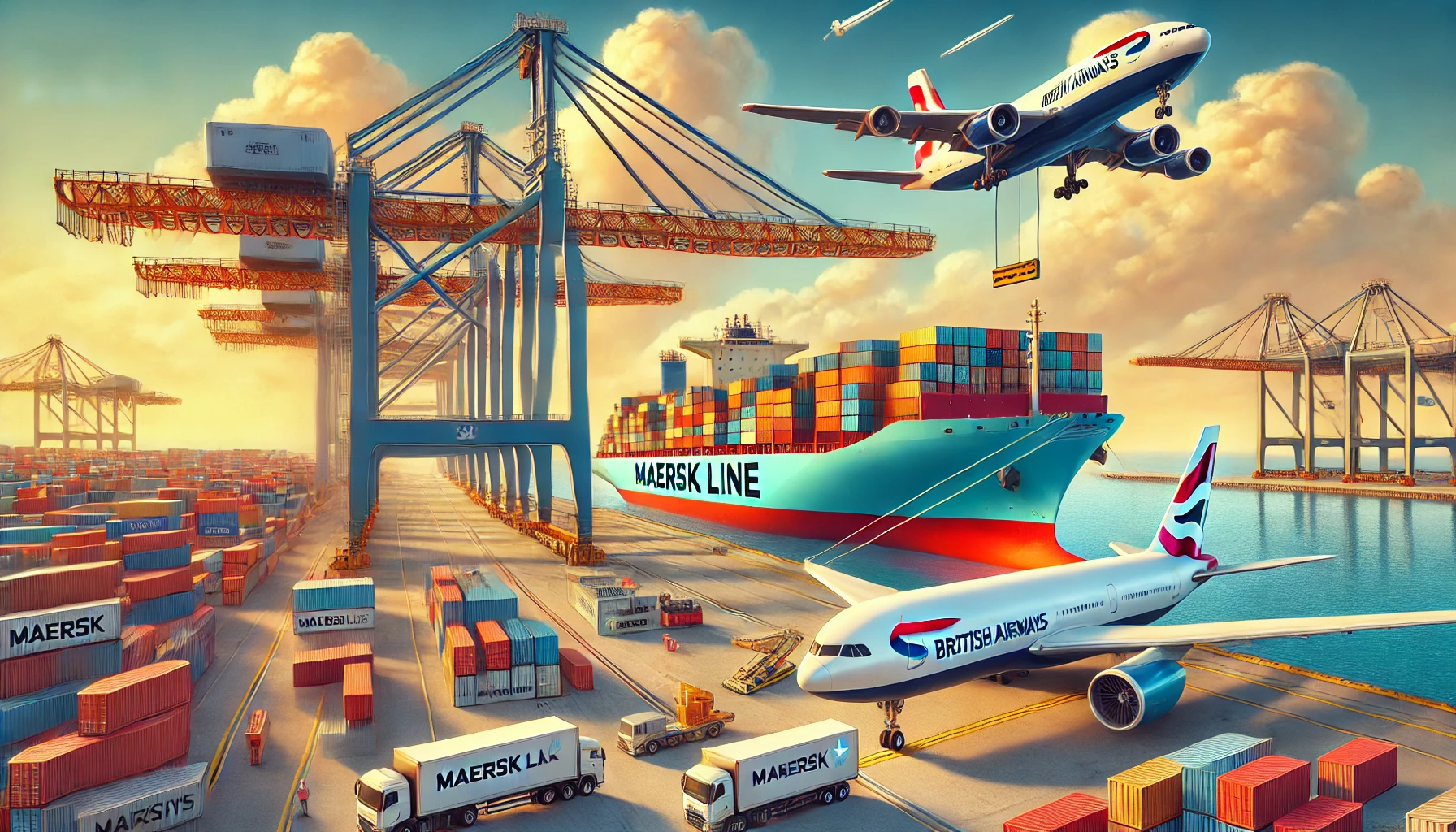
Main providers for shipping container are Shipping lines are companies that operate fleets of cargo ships, transporting containers globally. Major shipping lines operating from the UK include Maersk Line, MSC (Mediterranean Shipping Company), and CMA CGM. These companies offer extensive route networks for shipping container, ensuring your goods can reach virtually any destination worldwide.

Key UK Ports

The UK boasts several major ports, each playing a critical role for shipping container in international trade. Key ports for shipping container include:

  • Port of Felixstowe: The largest container port in the UK, handling over 40% of the country’s container traffic.
  • Port of Southampton: Known for its advanced container handling facilities and strategic location.
  • Port of London: An important hub for container traffic, with excellent connections to the rest of the UK.
  • Port of Liverpool: A key gateway for trade with North America, offering state-of-the-art container facilities.

Choosing Milky Way Logistics

At Milky Way Logistics, we specialize in providing comprehensive solutions for shipping container tailored to your needs. Our expert team ensures that your goods are transported efficiently, safely, and in compliance with all regulations. From handling documentation to coordinating with shipping lines and managing port operations, we take care of every detail, allowing you to focus on your business.

Conclusion

Navigating the complexities of container freight from the UK can be challenging, but with the right knowledge and a trusted logistics partner like Milky Way Logistics, you can ensure a smooth and successful export process. By understanding the procedures, documentation, and key players involved, you can streamline your shipping operations and expand your global reach. Contact Milky Way Logistics today to learn more about how we can support your  needs in shipping container from the UK.

2 Continue Reading →

Significant Update On Custom Declaration System As Of 04TH JUNE By Milky Way Logistics

Custom DEclaration System

Crucial Update on CDS

Custom Declaration System Replaced CHIEF!

Welcome to the Milky Way Logistics blog! We are committed to keeping our clients informed about the latest changes in the logistics and customs landscape. Today, we bring you essential updates regarding the UK’s transition from the CHIEF (Customs Handling of Import and Export Freight) system to the new and improved Custom Declaration Service (CDS). As of today, June 4th, CDS has completely replaced CHIEF, introducing new Customs Procedure Codes (CPCs) and enhanced requirements for commodity codes.

What is the Customs Declaration Service (CDS)?

The CDS is the UK’s advanced digital platform for managing custom declaration. It has been developed to handle the complexities of modern international trade more efficiently than the old CHIEF system. This transition is part of the UK’s broader strategy to streamline and modernize customs procedures, ensuring they are fit for purpose in a rapidly evolving global trade environment.

Key Features of CDS

  • Enhanced Digital Platform: CDS (Custom Declaration System) is a fully digital system, enabling quicker and more accurate electronic submissions.
  • Alignment with International Standards: The Custom Declaration system is designed to harmonize with global customs standards, facilitating smoother international trade.
  • Increased Specificity: New CPCs provide more detailed classifications for goods, reducing the likelihood of errors in custom declaration.

New Customs Procedure Codes (CPCs)

Customs Procedure Codes are crucial for the proper classification and treatment of goods during import and export. Here’s how the new CPCs under CDS benefit Milky Way Logistics:

  1. Greater Specificity: The new CPCs used in Custom declaration System offer more precise descriptions of customs procedures, enhancing accuracy and compliance.
  2. Simplified Procedures: These codes are designed to simplify custom declaration by aligning more closely with international standards.
  3. Digital Efficiency: Integration into the CDS platform supports faster processing and reduces the need for paper documentation in Custom Declaration.

Examples of New CPCs:

  • CPC 4000C09: Used for goods imported under a temporary admission procedure, ensuring they can be re-exported within a defined period without additional duties.
  • CPC 6123E15: Facilitates the export of goods under a simplified declaration process, speeding up customs clearance for low-risk consignments.
  • CPC 7100N01: Applied to the re-importation of goods previously exported temporarily, exempting them from additional duties upon return.

Commodity Codes and Additional Details

Commodity codes classify goods for customs purposes, determining the duties and regulations applicable to them. Under CDS, these codes require additional details to ensure accurate processing. Here’s what you need to know:

  1. Detailed Descriptions: Commodity codes now require more detailed descriptions of the goods, including their composition, use, and origin.
  2. Supporting Documentation: Additional documents, such as product specifications or certificates of origin, may be required to support the commodity code.
  3. Compliance with Regulations: Accurate commodity codes ensure compliance with international trade regulations, preventing delays and penalties.

Example of Enhanced Commodity Code Requirements:

  • Product: Electronic Components:
    • Old CHIEF Requirement: Basic description and code.
    • New CDS Requirement: Detailed description, including the specific type of components, their material composition, intended use, and origin. Supporting documents such as technical specifications may also be required.

Preparing for the Transition

To ensure a smooth transition to CDS, Milky Way Logistics has taken several steps:

  • Training Programs: Our staff has undergone comprehensive training on the new CDS system and CPCs to provide expert guidance and support.
  • System Upgrades: We have updated our internal systems to seamlessly integrate with the CDS platform, ensuring efficient processing of all customs declarations.
  • Client Support: We are here to help our clients navigate these changes. If you have any questions or need assistance with your customs declarations, our team is ready to provide support.

Conclusion

The complete transition to the Customs Declaration Service marks a significant advancement in the UK’s customs procedures. At Milky Way Logistics, we are committed to leveraging these changes to enhance our services, ensuring efficient and compliant customs clearance for all your shipments. Stay tuned to our blog for more updates and insights on navigating the complexities of international trade.

For further information or assistance with your customs declarations, please contact our expert team at Milky Way Logistics. We are here to ensure your goods move smoothly across borders, adapting to the latest customs requirements with ease.

0 Continue Reading →

Navigating the Waves and Skies: Milky Way Logistics No. 1 Efficient Partner UK to Caribbean Shipments

Navigating the Waves and Skies: Milky Way Logistics' Role in Streamlining UK to Caribbean Shipments

Navigating the Waves and Skies: Milky Way Logistics’ Role in Streamlining UK to Caribbean Shipments

Navigating the Waves and Skies: Milky Way Logistics’ Role in Streamlining UK to Caribbean Shipments

Shipping from the UK to Caribbean Islands presents a vibrant tableau of logistics, blending the rich diversity of the Caribbean islands with the meticulousness of global shipping practices. At the nexus of this complex logistics web sits Milky Way Logistics, a London-based freight forwarding company that has carved out a niche for itself by offering both airfreight and sea freight services to this tropical paradise. This in-depth exploration will delve into the nuances of shipping from the UK to Caribbean, spotlighting the islands served, the shipping lines in operation, the frequency of these services, and how Milky Way Logistics orchestrates seamless transit experiences.


The Caribbean Islands: A Mosaic of Destinations

The Caribbean is a region of immense beauty and diversity, comprising over 700 islands, islets, reefs, and cays. These are the stages upon which a myriad of cultures, languages, and histories play out. Key destinations for shipments from the UK include, but are not limited to:

The Bahamas

Montserrat

Panama

Cuba

Jamaica

Haiti

The Dominican Republic

Puerto Rico

Trinidad and Tobago

Barbados

Saint Lucia

Grenada

Saint Vincent and the Grenadines

Antigua and Barbuda

The British Virgin Islands

Shipping Lines and Frequencies from the UK to Caribbean

Several major shipping lines operate routes from the UK to Caribbean, each offering varying frequencies and capacities tailored to meet the logistical demands of this route. Among these, the most prominent include:


Maersk Line: Offering weekly sea freight services to major Caribbean ports, Maersk Line stands out for its extensive network and reliability.

CMA CGM: This French shipping company provides bi-weekly sea freight services to the Caribbean, with a focus on flexibility and customer service.

MSC (Mediterranean Shipping Company): With weekly sailings, MSC connects the UK with numerous Caribbean destinations, offering options for both containerized and break-bulk sea freight cargoes.

Hapag-Lloyd: Known for its efficiency and comprehensive coverage, Hapag-Lloyd offers weekly sea freight services to key Caribbean ports.

ZIM Integrated Shipping Services: ZIM prides itself on fast transit times and weekly sailings to the Caribbean, catering to the needs of both large and small shippers.

The frequency of service is a crucial factor for businesses and individuals looking to ship goods from the UK to the Caribbean. It affects delivery times, costs, and the overall efficiency of the supply chain. Most shipping lines offer weekly or bi-weekly services, ensuring regular and predictable shipments to the region.


Milky Way Logistics: Bridging the UK to Caribbean

Milky Way Logistics through its reliable professional network emerges as a pivotal player in this logistical ballet, facilitating shipments from the bustling metropolis of London to the sun-kissed shores of the Caribbean. Leveraging both airfreight and sea freight services, the company caters to a broad spectrum of shipping needs, from urgent air shipments of perishable goods to cost-effective sea freight options for bulk commodities.


Airfreight Services

For time-sensitive shipments, airfreight is the modality of choice. Milky Way Logistics harnesses its partnership with leading airlines to offer direct and consolidated air cargo services from the UK to Caribbean. This includes:


Priority airfreight for urgent shipments.

Consolidated services for cost-effective solutions.

Door-to-door services, ensuring a hassle-free experience for the client.

The frequency of airfreight services varies based on the destination, cargo type, and carrier schedules, with options ranging from daily flights to major hubs like Jamaica and the Bahamas, to weekly services for smaller islands.


Sea Freight Services

Sea freight is the backbone of international trade, and Milky Way Logistics excels in providing comprehensive ocean shipping solutions to the Caribbean. This includes:


Full container load (FCL) for large shipments.

Less than container load (LCL) for smaller consignments.

Specialized cargo services for oversized or unconventional freight.

The company’s expertise extends to navigating the complexities of Caribbean shipping, including customs clearance, local regulations, and last-mile delivery challenges. With partnerships across major shipping lines, Milky Way Logistics offers flexibility in scheduling, with weekly and bi-weekly sailings to accommodate various shipping demands.


The Logistics of Shipping from the UK to Caribbean

Shipping to the Caribbean entails more than just moving goods across the ocean; it’s about understanding and adapting to the unique characteristics of each destination. This includes:


Customs and Regulatory Compliance:

Each Caribbean island has its own customs regulations and import requirements. Milky Way Logistics provides invaluable guidance through this maze of regulations, ensuring compliance and avoiding delays.

Local Distribution Networks:

Upon arrival, the efficient distribution of goods within the islands is crucial. The company leverages local partnerships to ensure seamless door-to-door delivery.

Market Knowledge:

Understanding the local market dynamics, peak seasons, and logistical challenges unique to each island is vital for effective shipping. Milky Way Logistics uses this knowledge to advise clients.


Shipping cargo from the UK to Caribbean Islands involves a network of airlines that offer dedicated freight services to meet the diverse needs of shippers. These airlines play a crucial role in the global supply chain, providing essential air cargo services that cater to time-sensitive shipments, perishable goods, and high-value products. Let’s delve into some of the key airlines offering cargo services from the UK to various destinations across the Caribbean.


British Airways World Cargo

British Airways World Cargo is one of the leading carriers in airfreight between the UK to Caribbean. With its extensive network, BA World Cargo operates regular flights to major Caribbean destinations, including but not limited to Barbados, Jamaica, and the Bahamas. Their services include the transportation of general cargo, perishables, pharmaceuticals, and mail. With a focus on reliability and speed, British Airways World Cargo ensures that shipments reach their Caribbean destinations efficiently.


Virgin Atlantic Cargo

Virgin Atlantic Cargo offers robust airfreight cargo services from UK to Caribbean, leveraging its passenger flights to carry freight alongside. The airline’s cargo division is known for its high-quality service and the ability to handle a wide range of cargo types, including perishables, live animals, and high-value items. Virgin Atlantic flies to several Caribbean islands, providing shippers with a reliable option for their freight needs.


IAG Cargo

IAG Cargo, the cargo handling division of the International Airlines Group, operates flights from the UK to Caribbean through its network that includes British Airways, Iberia, and other member airlines. Offering comprehensive airfreight cargo solutions, IAG Cargo connects the UK with the Caribbean, facilitating the shipment of everything from general cargo to temperature-sensitive goods. Their extensive network and varied fleet allow for flexible and convenient shipping options.


Caribbean Airlines Cargo

While primarily serving the Caribbean and the Americas, Caribbean Airlines also offers airfreight cargo services from the UK to Caribbean through its network. The airline’s cargo division specializes in the transport of general cargo, perishables, and other specialized freight, providing direct and indirect service options for shippers looking to reach Caribbean markets.


Amerijet International

Amerijet International, a cargo airline with a strong presence in the Caribbean, provides airfreight services from the UK in partnership with other carriers. Amerijet is known for its expertise in handling diverse cargo types, including hazardous materials, perishables, and heavy machinery. Through its hub in Miami, Amerijet connects shipments from the UK to Caribbean destinations, ensuring comprehensive coverage and reliable service.


DHL Aviation

DHL Aviation, through its network of partner airlines, offers extensive cargo services from the UK to the Caribbean. Known for its express shipping services, DHL Aviation caters to urgent and time-sensitive shipments, providing door-to-door delivery options and a wide range of logistics solutions to meet the needs of shippers.


Cargojet

Cargojet operates cargo services to the Caribbean, focusing on express freight and charter services. While its primary operations are based in North America, Cargojet connects with international flights, including those from the UK to Caribbean. Specializing in overnight and time-sensitive deliveries, Cargojet is a key player in the air cargo industry.


FedEx Express

FedEx Express, a global leader in express transportation, offers cargo services from the UK to Caribbean. FedEx connects the two regions with its extensive air fleet, providing reliable and timely delivery services for a variety of cargo needs. Their comprehensive logistics solutions ensure that shipments are handled efficiently from origin to destination.


These airlines, among others, form the backbone of air cargo transportation from the UK to Caribbean, ensuring that businesses and individuals can ship goods efficiently across this route. Whether for general freight, perishable commodities, or urgent shipments, these carriers offer tailored solutions to meet the diverse needs of their clients.


0 Continue Reading →

2024 Keys To Crucial Navigation of Import Documentation with Milky Way Logistics

Navigating Import Documentation

Navigating Import Documentation and Requirements with Milky Way Logistics

At Milky Way Logistics, we understand that navigating the complexities of import documentation and requirements can be daunting. Our goal is to help you simplify this process and maximize the benefits of international trade agreements, such as the UK-EU Trade and Cooperation Agreement (TCA). Below is a comprehensive guide to help you understand the essentials of import documentation, tariff codes, duties and VAT, rules of origin, and more.

Import Documentation and Requirements

When importing goods, accurate import documentation is crucial to ensure compliance with customs regulations and to avoid delays and penalties. Key documents include:

  • Commercial Invoice: Details the transaction between the seller and the buyer.
  • Packing List: Specifies the contents of the shipment.
  • Bill of Lading: A legal document issued by the carrier to acknowledge receipt of cargo for shipment.
  • Certificates of Origin: Verify the origin of the goods, essential for claiming preferential tariffs under agreements like the TCA.
  • Import Licenses: Required for certain goods, depending on their nature and origin.

Tariff Codes

Tariff codes, or Harmonized System (HS) codes, classify goods and determine the applicable tariffs and duties. Accurate classification is essential in import documentation:

  • HMRC Trade Tariff Tool: Use this tool to find the correct HS code for your products.
  • Customs Intermediaries: Consider using intermediaries to ensure accurate classification and avoid costly errors.

Duties and VAT

Understanding duties and VAT is crucial for cost-effective importing which is calculated as per the details presented in the import documentation:

  • Customs Duties: Taxes imposed on goods when they are transported across international borders. The rate depends on the HS code and the origin of the goods.
  • VAT: Import VAT is charged at the same rate as the domestic sale of goods. The importer is responsible for paying the VAT to HMRC.

Rules of Origin

The Rules of Origin (RoO) determine whether goods qualify for preferential tariffs under trade agreements:

  • Wholly Obtained or Substantially Transformed: Goods must either be wholly obtained in the UK or EU, or substantially transformed within these regions to qualify for zero tariffs.
  • Import Documentation: Maintain accurate records, including certificates of origin, to prove compliance with RoO.

Benefiting from UK-EU TCA Zero Tariff

To benefit from the zero tariffs under the TCA:

  • Prove Origin: Ensure your goods meet the RoO criteria.
  • Correct Classification: Use the correct HS codes in import documentation  and accurately record the origin in customs declarations.
  • Utilize Preferential Rates: Claim the preferential tariff rates by providing the necessary documentation.

UK-EU Customs Processes

Post-Brexit, the UK and EU have implemented new customs processes:

  • Customs Declarations: Required for all goods exported from or imported into the UK. Ensure all declarations are accurate and complete.
  • Safety and Security Declarations: Mandatory for imports and exports. The UK will start requiring these declarations for EU imports from October 2024.

Border Target Operating Model

The UK Government’s Border Target Operating Model aims to simplify and digitize customs controls:

  • Risk-Based Approach: Focus on medium-risk animal products, plants, and high-risk food and feed of non-animal origin from the EU.
  • Implementation Timeline for Import Documentation:
    • January 2024: Health certificates for certain products.
    • April 2024: Full SPS checks on EU imports.
    • October 2024: Safety and security declarations for EU imports.

Overview of Customs Special Procedures

Customs special procedures offer various benefits to businesses:

  • Inward Processing: Allows goods to be imported for processing and re-exported without paying import duties.
  • Outward Processing: Permits the temporary export of goods for processing and re-importation with partial or full duty relief.
  • Customs Warehousing: Enables storage of goods without paying import duties until they are released for domestic use.

Conclusion

Navigating the complexities of import documentation, tariff codes, duties and VAT, and customs processes can be challenging. At Milky Way Logistics, we are committed to helping you streamline your operations and maximize the benefits of the UK-EU Trade and Cooperation Agreement. By staying informed and utilizing our expert services, you can ensure compliance and cost-effectiveness in your international trade activities.

0 Continue Reading →

Efficient Rail Freight from China to the UK Increased Demand 2024

Rail Freight From China to UK Milky Way Logistics Ltd

Rail Freight From China to UK Increased Demand

Discover the Benefits and Rising Demand for Efficient Rail Freight From China to The UK Solutions

Milky Way Logistics proudly announces the expansion of its services now to offer rail freight services from China to  the UK as well. As global trade continues to grow, the demand for efficient, cost-effective, and sustainable transportation solutions is increasing. Via our rail freight service which is designed to meet these needs, we provide a reliable alternative to traditional shipping methods.

The Comprehensive Route: Rail Freight From China to The UK

The rail freight route from China to the UK is an engineering marvel, combining modern logistics with age-old trade routes. This journey, spanning approximately 12,000 kilometers, not only exemplifies the advances in rail transport but also highlights the intricate coordination and international cooperation required to make such a service possible.

Starting Point: Industrial Hubs of China

The journey begins in some of China’s most significant industrial hubs, such as Yiwu and Chongqing. Yiwu is renowned for its vast small commodities market, while Chongqing is a major manufacturing and logistics center. These cities are bustling with activity, serving as the starting points for goods destined for the UK.

Traversing the Silk Road: China to Kazakhstan

From China, the trains head northwest, crossing into Kazakhstan. This segment of the journey aligns with the ancient Silk Road, a testament to the enduring importance of these trade routes. Kazakhstan’s expansive landscapes and modern rail infrastructure facilitate smooth transit through this part of Central Asia.

Through the Heart of Eurasia: Kazakhstan to Russia

Upon leaving Kazakhstan, the trains enter Russia, the largest country in the world. This leg of the journey is critical, as it covers a vast distance across diverse terrains. Russia’s rail network is well-developed, allowing for efficient passage through the country. Major hubs like Moscow play a pivotal role in the journey, where logistical operations ensure that the goods continue their westward journey without delay.

Crossing into Europe: Russia to Belarus

The next stop is Belarus, a key transit country in this rail route. Belarus’ strategic location and well-maintained railways are vital for the smooth transfer of goods. Here, the focus is on maintaining the pace and ensuring that the trains continue their journey efficiently towards the European Union.

Into the European Union: Belarus to Poland

Poland marks the entry point into the European Union. This transition is crucial, involving meticulous customs procedures and coordination to adhere to EU regulations. Poland’s rail network is a critical segment, providing a gateway to the rest of Europe. Major rail hubs like Warsaw facilitate the onward journey.

The Heart of Europe: Poland to Germany

Germany, with its advanced logistics and rail infrastructure, is a cornerstone of this route. The German segment ensures high efficiency and reliability, with cities like Duisburg acting as major logistics hubs. Here, goods are often redistributed and sent to various destinations across Europe.

Towards the Final Destination: Germany to Belgium

Belgium serves as another key node in this route, with its strategic location and excellent rail connections. The trains pass through Belgium, where logistical operations ensure that the goods are on the final stretch of their journey.

Crossing the Channel: Belgium to the United Kingdom

The final leg involves crossing the English Channel, one of the most crucial parts of the journey. This is typically achieved via the Channel Tunnel, a marvel of modern engineering that connects mainland Europe with the UK. Once in the UK, the goods are transported to their final destinations through the country’s extensive rail network, ensuring timely delivery.

Strategic Hubs and Efficient Operations

Throughout this journey, several strategic hubs and efficient logistical operations are crucial for the success of the rail freight service. These hubs ensure that the goods are handled with care, customs procedures are smoothly executed, and any logistical challenges are promptly addressed. The coordination across multiple countries and rail networks highlights the international collaboration necessary for this service.

Top Benefits of Rail Freight from China to The UK

  1. The route for rail freight from China to the UK offers a multitude of benefits, making it an increasingly popular choice for businesses seeking reliable, efficient, and sustainable transportation solutions. Here, we explore the top advantages of opting for rail freight on this extensive and strategically important route.1. Speed and Reliability

    One of the most significant benefits of rail freight is its speed. Rail transport dramatically reduces transit times compared to ocean freight. Goods can travel via rail freight from China to the UK in approximately 18-20 days, whereas sea freight can take 30-40 days or more. This faster transit time allows businesses to respond more quickly to market demands and reduces the lead time for inventory replenishment. Additionally, rail schedules are less susceptible to the weather-related delays that often affect sea freight, offering a more reliable and predictable service.

    2. Cost-Effectiveness

    Rail freight strikes an optimal balance between cost and speed. While air freight is the fastest option, it is also the most expensive, often prohibitively so for large shipments. Rail freight from China to the UK, on the other hand, offers a more economical solution compared to air freight while still providing significant time savings over sea freight. This cost-efficiency makes rail freight an attractive option for businesses looking to optimize their logistics budget without compromising on delivery times.

    3. Environmental Sustainability

    In today’s business environment, sustainability is more important than ever. Rail freight is a greener option compared to both air and sea transport. Trains emit significantly less CO2 per ton-kilometer than airplanes and ships. By choosing rail freight, businesses can reduce their carbon footprint and contribute to global sustainability efforts. This not only helps in meeting corporate social responsibility goals but also appeals to environmentally conscious consumers.

    4. High Capacity and Flexibility

    Rail freight can handle a wide range of cargo types and volumes. Trains have a high carrying capacity, accommodating everything from electronics and automotive parts to textiles and consumer goods. This versatility makes rail freight suitable for various industries. Additionally, the flexibility in rail scheduling allows for regular departures and reliable service, ensuring that businesses can plan their logistics operations with confidence.

    5. Enhanced Security

    Rail freight offers enhanced security for goods in transit. Trains travel on dedicated tracks with fewer stops compared to road transport, reducing the risk of theft and damage. Furthermore, the robust infrastructure of rail networks and the use of advanced tracking technologies provide additional layers of security, ensuring that goods arrive at their destination in optimal condition.

    6. Less Congestion and Traffic Delays

    Unlike road transport, which can be affected by traffic congestion, rail transport operates on a dedicated network of tracks. This reduces the likelihood of delays caused by road traffic and allows for more predictable transit times. Rail freight also helps alleviate congestion on highways, contributing to smoother transportation across all modes.

    7. Strategic Access to Major Hubs

    The rail freight route from China to the UK connects several strategic logistics hubs along the way. These hubs, located in key cities across Eurasia, facilitate efficient transshipment and distribution of goods. For example, cities like Moscow, Warsaw, and Duisburg are crucial nodes that ensure smooth transit and timely delivery of goods. Access to these major hubs enhances the overall efficiency of the supply chain.

    8. Integration with Other Modes of Transport

    Rail freight can be seamlessly integrated with other modes of transport, such as road and sea, providing a comprehensive multimodal logistics solution. This intermodal capability allows for flexible and efficient door-to-door delivery services, catering to the specific needs of businesses. The ability to combine different transportation modes ensures that goods can reach even the most remote destinations.

    9. Support for Just-in-Time Delivery

    The reliability and speed of rail freight support just-in-time (JIT) delivery systems. Businesses that rely on JIT inventory management benefit from the reduced lead times and predictable schedules offered by rail freight. This enables them to maintain lower inventory levels, reduce storage costs, and improve overall supply chain efficiency.

    10. Scalability and Growth Potential

    As global trade continues to expand, rail freight offers significant scalability and growth potential. The existing rail infrastructure is continually being upgraded and expanded to accommodate increasing volumes of freight. This ensures that rail freight can meet the growing demands of businesses and support future trade growth between China and the UK.fh

  2. ro China to the UK in approximately 18-20 days, whereas sea freight can take 30-40 days or more. This faster transit time allows businesses to respond more quickly to market demands and reduces the lead time for inventory replenishment. Additionally, rail schedules are less susceptible to the weather-related delays that often affect sea freight, offering a more reliable and predictable service.

Surging Demand for Rail Freight From China to the UK

The demand for rail freight from China to the UK has been experiencing a significant surge, driven by a combination of economic, logistical, and environmental factors. This increasing demand underscores the value that businesses place on efficient, reliable, and sustainable transportation solutions. Here, we delve into the key drivers behind this growing trend and how it is shaping the future of global logistics.

1. Global Supply Chain Disruptions

2. E-commerce Boom

3. Cost Efficiency

4. Environmental Sustainability

5. Belt and Road Initiative (BRI)

6. Technological Advancements

7. Geopolitical Considerations

8. Infrastructure Improvements

9. Market Diversification

10. Government Support

Why Choose Milky Way Logistics for Rail Freight From China to the UK

Milky Way Logistics is dedicated to providing innovative and efficient logistics solutions. Our rail freight from China to the UK exemplifies our commitment to meeting the evolving needs of our clients. Businesses can benefit from the speed, cost-effectiveness, and sustainability of our rail freight service, ensuring their goods arrive on time and in excellent condition.

Contact Milky Way Logistics for Your Rail Freight Needs

For more information about our rail freight from China to the UK and to discuss how we can support your logistics requirements, please contact our customer service team or visit our website.

About Milky Way Logistics

Milky Way Logistics is a leading global logistics provider, offering comprehensive freight solutions across air, sea, and rail. We are committed to innovation, sustainability, and customer satisfaction, striving to be the preferred logistics partner for businesses worldwide.


REQUEST A RATE

0 Continue Reading →

Important Customs Declaration Update From 04 June 2024

Transition to CDS for Customs Declarations: Key Information for Exporters

Custom Declarations for Export Transition to CDS Effective 06 June 2024

Transition to CDS for Customs Declarations: Key Information for Exporters

London, May 22, 2024 — As part of the ongoing modernization of the UK’s customs procedures, HM Revenue & Customs (HMRC) has announced a significant change in the submission process for customs declarations. Effective from Tuesday, 4 June 2024, all customs declarations must be submitted through the new Customs Declaration Service (CDS), replacing the long-standing Customs Handling of Import and Export Freight (CHIEF) system.

This change is a part of the broader effort to streamline and enhance the efficiency of the UK’s customs operations. Exporters and businesses involved in international trade are required to adapt to this new system to ensure compliance and continuity in their export activities.

Important Information for Exporters Using NES:

For customers who rely on third parties to complete their National Export System (NES) entries, there are new requirements to facilitate this process under the CDS. From 4 June 2024, the following additional information must be provided:

  1. Exporter’s Details:
    • The exporter’s UK Economic Operator Registration and Identification (EORI) number.
    • The exporter’s full address.
  2. Consignee Information:
    • Full name and address of the consignee.
  3. Reference Numbers:
    • House Air Waybill (HAWB) reference.
    • Invoice reference number.
  4. Export Licence Requirements:
    • Indicate whether the goods require any type of export license.
  5. Valuation and Currency:
    • Correct value of the goods.
    • Correct currency code.
  6. Weights:
    • Net mass and gross mass of the goods.
  7. Commodity Details:
    • The Commodity Code plus any necessary waiver codes.
  8. Goods Description:
    • Clear and unambiguous description of the goods, including quantity, marks, and numbers.
  9. Customs Procedure Codes:
    • Correct Customs Procedure Code (CPC).
    • Confirmation if the goods have been previously imported or will be re-imported at a later date.
  10. Previous Authorisations:
    • Any reference numbers previously issued by Customs, such as Inward Processing Relief (IPR), Outward Processing Relief (OPR) authorisations, or previous declarations.

These requirements are essential to ensure the accurate and efficient processing of customs declarations under the new CDS system. Exporters are advised to gather this information promptly and coordinate with their customs agents or service providers to avoid any disruptions in their export operations.

Benefits of the CDS Transition:

The transition to CDS promises several advantages, including:

  • Enhanced data processing capabilities, supporting more detailed and complex declarations.
  • Real-time access to declaration data, facilitating quicker clearance times.
  • Improved compliance and security features, protecting trade data integrity.
  • A more user-friendly interface, reducing errors and administrative burdens.

Support and Assistance:

HMRC is committed to supporting businesses through this transition. Training resources and support materials are available to help users understand and navigate the new system. Additionally, HMRC has set up dedicated support channels to address any queries or issues that may arise during the switch to CDS.

Conclusion:

The migration from CHIEF to CDS is a pivotal development in the UK’s customs landscape. Exporters and businesses are urged to prepare for this change by familiarizing themselves with the new requirements and ensuring all necessary information is accurately provided. This transition aims to create a more efficient and secure customs environment, ultimately benefiting the UK’s international trade sector.

For more information and updates, exporters can visit the HMRC website or contact their customs service providers.

Stay informed, stay compliant, and embrace the future of customs declarations with CDS.


For further information about commodity codes and custom codes please visit government website.


REQUEST A RATE

0 Continue Reading →