A container can arrive on time, clear the port gate and still be unable to enter free circulation because one approval was missed. This import licence guide explains when a UK business needs an import licence, what sits alongside it, and how to prevent a licensing issue from turning into storage charges, delayed production or disappointed customers.
An import licence is not a standard document required for every shipment. Most commercial goods can be imported into Great Britain without one, provided the importer has the correct customs declaration, commodity code, valuation and supporting paperwork. Licences apply where goods are controlled for reasons such as safety, security, health, environmental protection, product standards or international sanctions.
The key is to establish the requirement before goods leave the supplier. Once freight is in transit, there may still be options, but time becomes expensive quickly.
What an import licence does
An import licence is formal permission to bring specified controlled goods into the UK. It may set limits on quantity, origin, supplier, end use, port of entry or the period in which goods can be imported. Some licences are issued per shipment, while others can cover repeated imports under defined conditions.
Do not confuse an import licence with an EORI number. A GB EORI number identifies your business for customs purposes and is normally needed when importing commercially into Great Britain. It does not authorise controlled goods. Equally, a valid licence does not replace a customs declaration, payment or deferral of import duty and VAT, or evidence needed by a border authority.
A freight forwarder can coordinate transport, review shipping documents and support customs clearance, but the importer remains responsible for the accuracy of declarations and for holding the right permissions. That responsibility makes early product checks a commercial priority, not simply an administrative task.
Import licence guide: start with the goods, not the route
The most reliable assessment starts with a precise description of the product. A supplier description such as “electronic parts”, “food supplements” or “industrial chemicals” is rarely enough. You need to know what the goods are made of, how they work, their intended use, their country of origin and whether they contain controlled components or substances.
The commodity code is central. It determines the customs classification and can indicate duty rate, VAT treatment, restrictions and documentary requirements. However, a commodity code alone may not settle every licensing question. Two apparently similar products can be treated differently if one contains a regulated ingredient, uses encryption technology, is intended for a particular industry, or originates from a restricted territory.
Before placing a purchase order, gather the product specification, data sheets, composition, model numbers, photographs, intended use and supplier declaration of origin. For machinery, technical capability can matter. For food, plants, animal products and goods of animal origin, species, processing method, temperature control and health status can be relevant.
Goods that commonly need extra permissions
Licensing requirements vary by product and can change, but the following categories should always trigger a closer review:
- firearms, weapons, ammunition, military or dual-use items
- chemicals, medicines, medical products and certain controlled substances
- animals, animal products, plants, plant products, seeds and food products
- alcohol, tobacco and certain agricultural goods subject to quotas or controls
- waste, endangered species products, rough diamonds and cultural goods
- goods subject to sanctions, trade restrictions or country-specific measures
This does not mean every item in these groups requires the same licence. For example, a processed food product and a live animal face very different controls. The correct question is not “Does my industry need a licence?” but “What rules apply to this exact product, from this origin, for this intended use?”
Check the importing territory and the trading parties
UK import rules differ between Great Britain – England, Scotland and Wales – and Northern Ireland. Northern Ireland has separate arrangements for many goods movements because of its position under the Windsor Framework. A process suitable for a shipment arriving in Felixstowe may not be suitable for a consignment moving directly into Belfast.
Origin also matters. Country of dispatch, country of origin and the supplier’s location are not always the same. Goods manufactured in one country may be shipped from another, and preferential origin claims may affect duty. More critically, sanctions and import restrictions can apply to certain origins, entities, vessels or end users.
Screen the supplier, buyer, consignee and any intermediary before the shipment moves. A licence may be unavailable if a party is subject to sanctions, and changing the route will not solve a prohibited transaction. Where the goods are controlled, retain the checks and declarations that support your decision.
Apply early and match the licence to the shipment
The relevant government body depends on the goods. Controlled strategic items may require an export control licence authority assessment; plant and animal goods may need health certification and pre-notification; medicines and chemicals can involve sector regulators; and goods made from protected species can need conservation documentation. A licence is only one part of a wider border process.
Application lead times vary. Some applications are straightforward; others require technical evidence, laboratory certificates, supplier statements, inspections or checks against international controls. Do not book an urgent air freight service on the assumption that a licence will be issued before arrival. Fast transport shortens transit time, not regulatory lead time.
When the licence is issued, check it line by line. Confirm the legal entity named as licence holder, supplier and consignee details, commodity description, quantities, values, validity dates, origin and any special conditions. Small mismatches can lead to a query at clearance. If a purchase order changes, verify whether the licence remains valid before shipping the amended goods.
Prepare the customs entry and document pack
A licence must be reflected correctly in the customs declaration where required. Your customs agent needs clear instructions, the document reference, the correct commodity code and all supporting evidence before the declaration is submitted. Sending a scan after the lorry has reached the port is not a workable clearance plan.
For a typical commercial import, the document pack will include a commercial invoice, packing list, transport document and customs data. Depending on the goods, it may also include a licence, certificate of origin, preference statement, health or phytosanitary certificate, safety data sheet, inspection certificate or proof of valuation.
The commercial invoice deserves particular attention. It should accurately state the seller and buyer, goods description, quantity, unit and total value, currency, Incoterm, origin where applicable, and terms of sale. Vague wording can make it harder to classify goods and demonstrate that a licence covers the consignment.
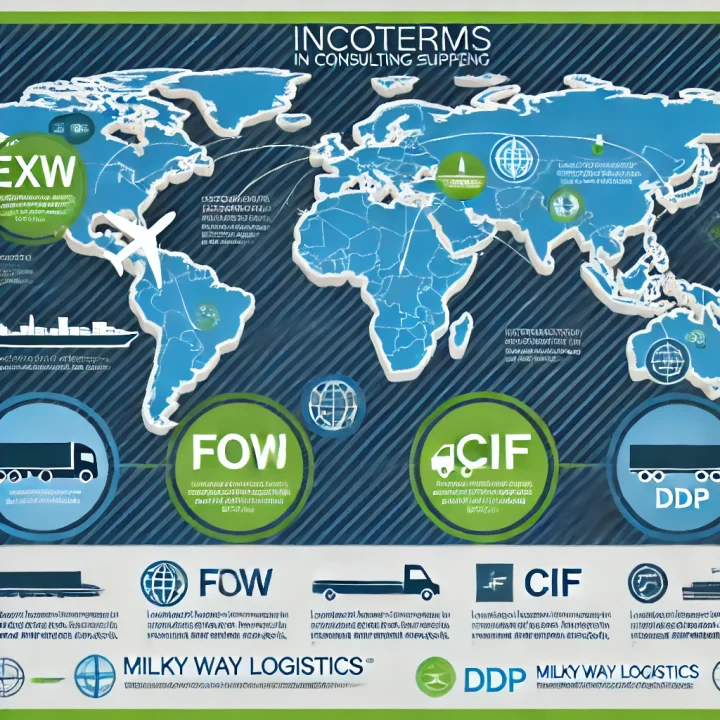
Incoterms also affect operational control. Under DDP, a supplier may offer to manage import formalities, but the UK buyer should still understand who acts as importer of record, who holds the EORI number and whose licence is being used. A cost-inclusive quote is not proof that compliance has been handled correctly.
Build licensing checks into your purchasing process
The strongest import controls happen before freight is booked. Add a compliance review to supplier onboarding and create a product record for every recurring SKU. Record the commodity code, origin, duty treatment, licence requirement, regulatory certificates, preferred shipping method and any special packaging or temperature controls.
For regular imports, review those records whenever a supplier changes, a product formulation is updated, the origin changes or rules are amended. A licence assessment completed two years ago may no longer be enough. Businesses importing multiple product lines should assign clear ownership between procurement, operations, finance and customs teams so that no one assumes another department has completed the check.
Transport planning should follow the compliance decision. Sea freight can offer better cost control for planned container loads, while air freight may suit urgent, high-value goods with approvals already in place. For controlled cargo, the best route is often the one that allows sufficient time for document review, border formalities and any inspection, rather than the shortest transit on paper.
What to do if goods are already on the way
Act immediately if you discover that a shipment may need a licence. Pause onward movement where possible, tell your customs representative exactly what has been identified and obtain the full product specification from the supplier. Do not alter descriptions, values or commodity codes simply to force a declaration through.
The likely outcomes depend on the goods and the control. The consignment may be held pending evidence, moved to temporary storage, returned to origin, re-exported or, in serious cases, seized. Storage, demurrage, detention and missed delivery costs can build while the issue is investigated. Early disclosure and accurate information give you the best chance of managing the situation properly.
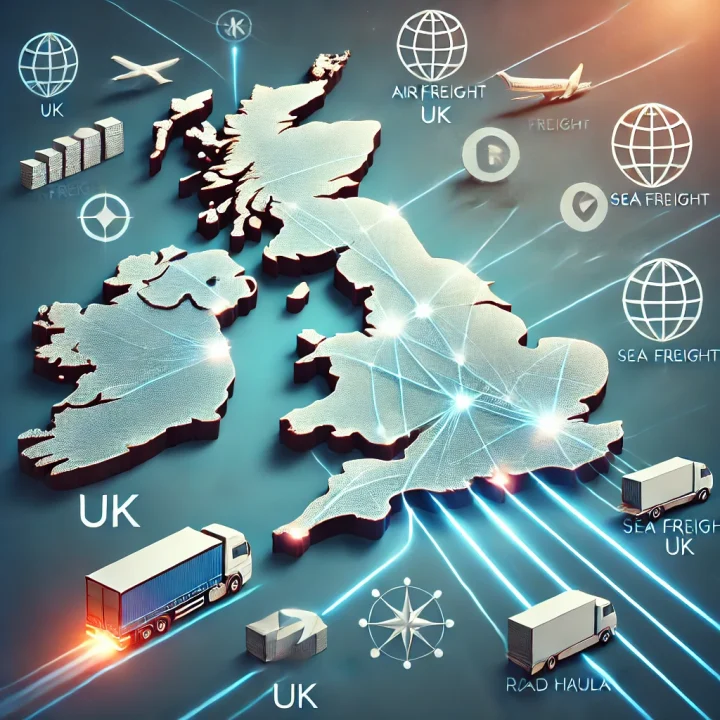
Milky Way Logistics can coordinate freight, documentation checks and customs clearance support across air, sea, road and multimodal shipments, helping importers identify the operational information needed before collection. Request a tailored, no-obligation freight quotation early in the purchasing cycle, when there is still time to plan the route and paperwork around the goods rather than react to a hold at the border.