A container can arrive on schedule, a lorry can be booked for collection, and stock can still sit at the border because a declaration contains one missing data point. For UK importers and exporters, customs digitisation is changing how those risks are managed. It replaces fragmented paperwork and late checks with structured data, electronic submissions and clearer status updates.
The benefit is not simply less paper. Done properly, digitised customs processes help businesses prepare earlier, spot errors before goods move and give supply-chain teams a more reliable view of what happens next. But technology only works when the underlying commodity, commercial and transport information is accurate.
What customs digitisation means in practice
Customs digitisation is the use of digital systems to create, validate, submit and track customs information. In UK trade, this can include electronic import and export declarations, digital commercial invoices and packing lists, commodity-code records, duty and VAT calculations, transit data and vehicle or consignment references.
Instead of rekeying the same information into separate spreadsheets, emails and forms, businesses can capture data once and use it throughout the shipping process. A purchase order may feed the commercial invoice; the invoice and packing list can support the declaration; and declaration status can inform the carrier, warehouse and receiving team.
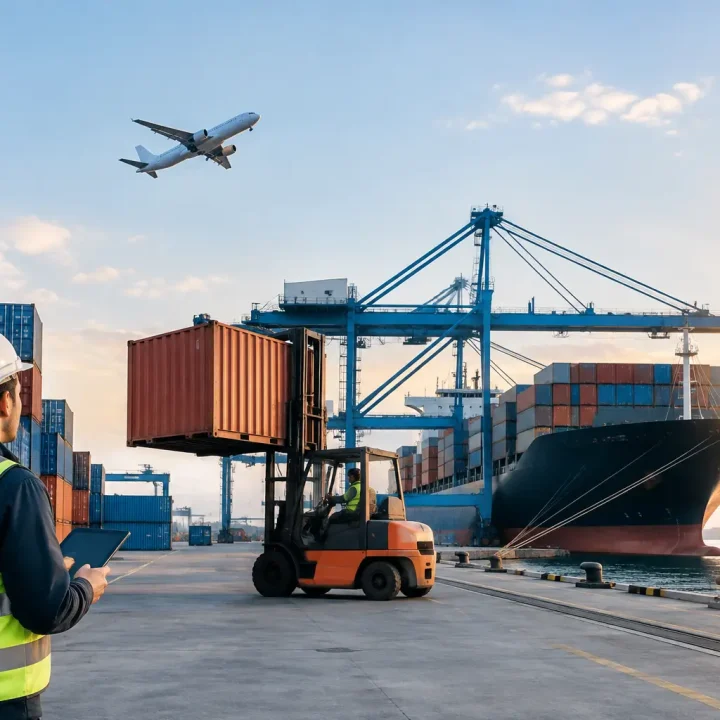
This does not mean every shipment follows an identical process. An urgent air freight consignment, an FCL sea shipment and a groupage road movement through Europe each involve different milestones, data requirements and deadlines. The principle is the same: the right information should be available, checked and submitted at the right stage.
Why it matters for importers and exporters
Border formalities increasingly depend on the quality and timing of electronic data. A declaration submitted late or with an incorrect commodity code can trigger queries, inspection, storage charges or a missed delivery slot. For time-sensitive stock, those consequences can quickly outweigh the cost of freight.
Digitised processes give businesses a better chance to control four areas that directly affect cost and service:
- declaration accuracy, including the commodity code, customs procedure, customs value and country of origin;
- duty and VAT planning, particularly where preference, reliefs or postponed VAT accounting may apply;
- shipment visibility, so teams can act on a customs hold rather than discover it after collection has failed; and
- document consistency, ensuring the invoice, packing list, transport documents and declaration tell the same commercial story.
The gains are particularly relevant for businesses importing regularly from China, the United States, the Middle East or Europe, where small data inconsistencies can become repeated operational problems. They also matter to first-time traders, who may be unfamiliar with the difference between a carrier booking, an export declaration and destination import clearance.
Customs digitisation is not automatic compliance
Digital systems can check formats, required fields and some data inconsistencies. They cannot reliably decide whether a product has been classified correctly, whether its origin claim is valid or whether an Incoterms rule reflects the agreed commercial arrangement.
For example, an electronics importer may use a familiar commodity code from an old supplier invoice. That code could be wrong for the actual product specification, creating an incorrect duty calculation. A system may accept the entry because the code exists, but acceptance is not the same as compliance.
The same applies to customs value. Freight, insurance, assists, royalties and certain charges may need to be considered depending on the transaction. A digitised workflow makes these details easier to collect and retain, but it does not remove the need for informed customs review.
The strongest approach combines technology with clear responsibility. Your internal team should know who owns product data and commercial documents, while a customs specialist checks declaration requirements and raises questions before cargo reaches the border.
Build the data before the goods move
The most effective customs process starts at order stage, not when the vessel is due to arrive. If key information is requested only after collection, every later activity becomes more pressured.
Maintain a usable product record
For regular imports and exports, create a central record for each product or product family. It should include a clear goods description, commodity code, country of origin, net and gross weight, unit quantity and supporting classification notes. Where duty rates or regulatory requirements are relevant, keep those details alongside the record and review them when products change.
Descriptions such as “parts”, “samples” or “accessories” rarely provide enough information for reliable customs work. A practical description identifies what the item is, what it is made from and, where relevant, what it does. This gives the declarant a much better basis for preparing the entry.
Keep commercial documents aligned
A commercial invoice should show the seller and buyer, invoice number and date, currency, goods description, quantity, value, agreed Incoterms and origin where applicable. The packing list should support the invoice with package counts, weights and dimensions.
When these documents are issued digitally from the same source data, discrepancies are less likely. However, teams should still review them before dispatch. A mismatch between the invoice quantity and the packing list can create a question at clearance even if the freight itself has travelled without issue.
Confirm the transport plan early
The declaration process needs transport-specific information. Road freight may require vehicle and movement references; sea freight has vessel cut-offs and port processes; air freight has tighter pre-alert deadlines. Storage, consolidation and final-mile delivery can also affect when data is required.
A freight coordinator can align carrier bookings, collection timing, customs documents and destination arrangements so that the physical and digital journeys remain connected.
Where digitised processes save time
The clearest efficiency gains usually appear in repetitive work. Importers with regular SKUs, recurring suppliers and consistent routes can reduce manual entry by using approved product data and standard document templates. Exporters can prepare shipment details before collection, rather than assembling information while a driver waits.
Digital status updates also improve decision-making. If a shipment is selected for examination, the operations team can notify the customer, review delivery capacity and avoid making promises based on an outdated arrival date. If a declaration is cleared, warehouse and transport teams can prepare for the next handover.
There is a trade-off. More connected systems require disciplined access controls, accurate master data and a process for correcting changes. Businesses should not automate poor data at scale. Start with the highest-volume lanes or products, measure errors and delays, then expand the process once the controls are working.
Choosing the right level of automation
Not every business needs a complex customs platform. The right arrangement depends on shipment volume, product range, internal expertise and the level of control required.
A company with occasional, varied shipments may benefit most from organised digital document collection and a responsive freight and customs partner. A retailer importing frequent container loads with thousands of lines may need deeper integration between purchasing, inventory and declaration systems. Manufacturers may place more emphasis on origin evidence, components and inward or outward processing requirements.
Whatever the model, avoid treating customs as a final administrative task. Bring customs data into procurement, product onboarding and supplier instructions. This reduces the likelihood that a new item arrives with no confirmed classification or incomplete origin information.
A practical checklist before shipment
Before goods are collected or handed to a carrier, confirm that the commercial invoice and packing list are complete, the commodity code and origin have been reviewed, the customs value basis is understood and the chosen Incoterms match the sale. Confirm who is acting as importer or exporter of record, whether duty and VAT arrangements are in place, and whether any licences, certificates or controlled-goods requirements apply.
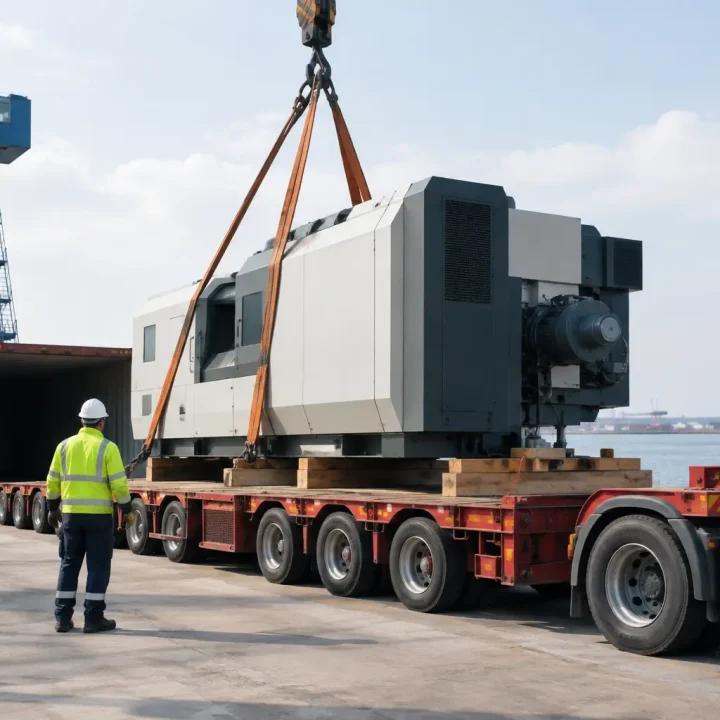
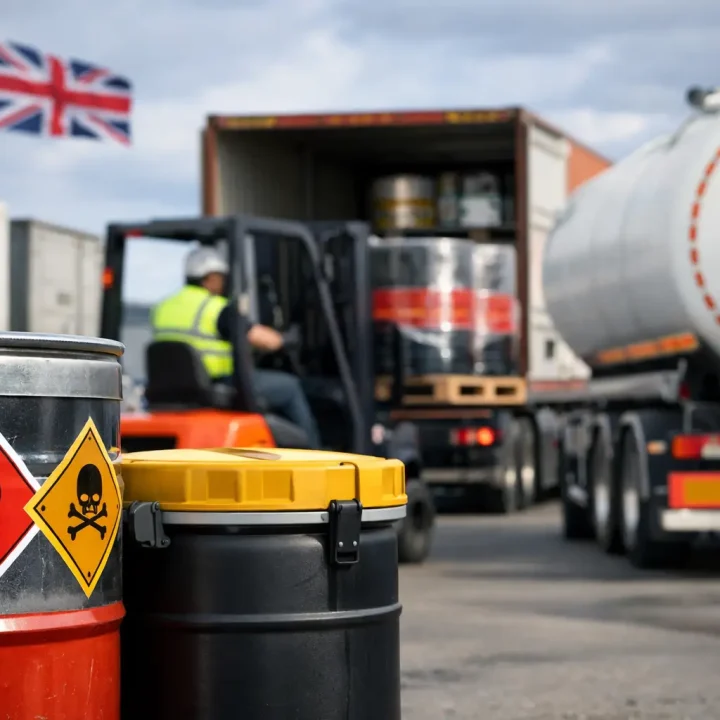
You should also confirm the transport mode, collection address, delivery requirements and customs submission deadline. For dangerous goods, high-value cargo, machinery or oversized freight, make sure the cargo description and handling details are equally clear. Customs data and freight instructions should support each other, not sit in separate email chains.
Turn digital data into better border control
Customs digitisation works best when it is treated as an operational discipline rather than a software purchase. Accurate product records, timely commercial documents and coordinated freight planning give businesses more control over cost, timing and compliance.
Milky Way Logistics can coordinate customs documentation, declarations and international transport as part of a tailored freight plan, helping keep the information behind each shipment as well managed as the cargo itself. If your business is reviewing its import or export process, start with one active trade lane and identify where data is created, checked and delayed. That simple exercise often reveals the fastest route to more dependable border movements.