A delivery slot at a retailer, a production line waiting for components, or a customer expecting stock all create the same question: which transport mode gives you the most control? Rail versus road freight is not simply a choice between a train and a lorry. It is a decision about lead time, collection and delivery points, handling requirements, cost exposure and how reliably your goods must move through the supply chain.
For UK, European and international shippers, the strongest answer is often based on the specific movement rather than a fixed preference for one mode. Road offers direct access and flexibility. Rail can move high volumes efficiently over longer corridors. Used together, they can provide a practical balance of cost, capacity and delivery performance.
Rail versus road freight: the practical differences
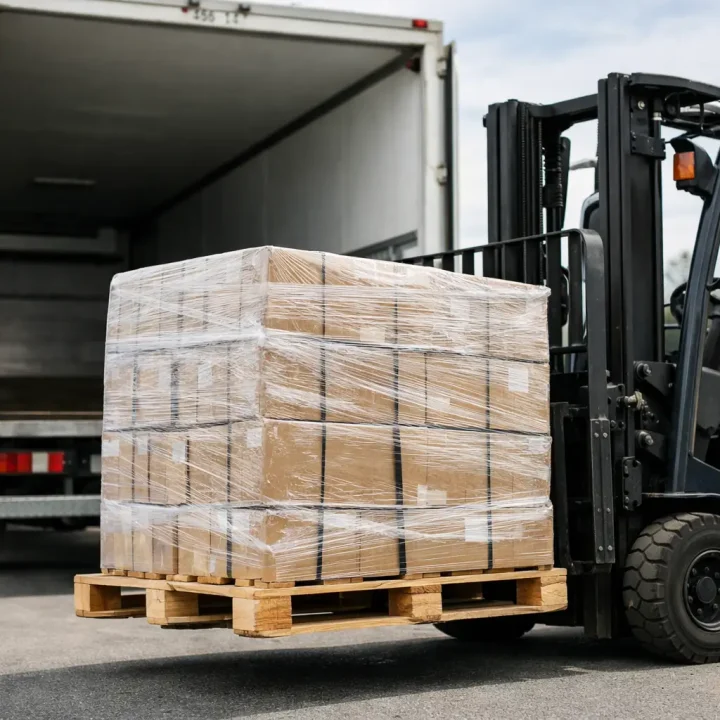
Road freight is built around direct collection and delivery. A vehicle can collect pallets from a factory, warehouse or port, move them through the UK or across Europe, and deliver to the consignee without a terminal-to-terminal transfer. This makes it particularly effective for full loads, part loads, groupage, urgent shipments and deliveries to locations without rail access.
Rail freight operates between rail terminals and along established rail corridors. It is well suited to larger, regular volumes that can be planned in advance, including containerised goods, raw materials, consumer products and heavy cargo. The rail journey may cover the main long-distance leg, while road haulage manages collection, terminal delivery and final-mile distribution.
Neither mode is automatically better. A pallet moving from Birmingham to a distribution centre in Manchester may be best carried entirely by road. Containers moving regularly between a European port, an inland terminal and a UK distribution network may benefit from rail as part of a multimodal plan.
When road freight is the right choice
Road haulage is usually the most responsive option when timing, access or route flexibility matters most. It can be arranged around specific collection windows, delivery appointments and changing operational priorities. For businesses managing short-notice stock movements or serving multiple delivery points, that flexibility has commercial value.
Direct delivery and fewer handling points
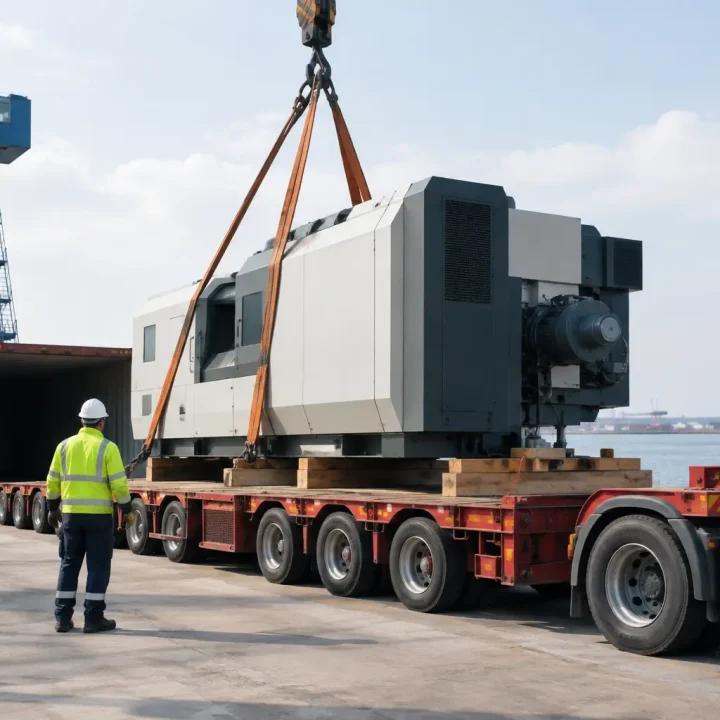
A road vehicle can provide door-to-door movement with fewer transfers. This can reduce handling risk for fragile goods, high-value electronics, machinery and sensitive consignments. It also gives greater control over vehicle type, including curtain siders, box vehicles, tail-lift vehicles, temperature-controlled equipment and specialist transport for oversized freight.
Direct routing is especially useful where the collection point or destination is outside the rail network. Rural locations, construction sites, retail stores, small warehouses and premises with limited handling equipment are rarely suited to a rail-only solution.
Time-critical and variable shipments
Road freight is generally more adaptable for urgent cargo. While traffic, driver availability and border congestion can affect transit times, a dedicated or express road service can be planned around a tight deadline more easily than a rail schedule.
It is also often the sensible choice for smaller or irregular consignments. Booking space on a regular rail service may not be economical if volumes fluctuate heavily, whereas groupage or part-load road services allow businesses to pay for the capacity they need.
The limitations of road
Road rates can be affected by fuel prices, tolls, driver capacity, seasonal demand and congestion. Long-distance road transport also exposes a shipment to motorway disruption, port queues and border delays. For very high-volume, repeat movements, the cost per unit can become less competitive than rail, particularly where a suitable rail corridor is available.
When rail freight makes commercial sense
Rail freight is strongest when volume, repeatability and distance support a planned service. It can carry substantial quantities of cargo in containers, swap bodies or specialist wagons, reducing the number of individual road movements needed for a major supply flow.
High volume on established corridors
Businesses moving regular container volumes between ports, terminals and inland distribution centres should assess rail carefully. Rail can provide dependable capacity on scheduled routes and may offer a more stable approach for long-haul cargo than arranging multiple individual lorries.
This is relevant for importers bringing goods through major ports, manufacturers receiving bulk materials, and retailers replenishing regional distribution centres. Where goods can be consolidated into full containers or planned unit loads, rail may improve transport efficiency across the main trunk route.
Cost control depends on the whole route
Rail is not automatically the cheapest option. Terminal handling, pre-carriage, onward road delivery, storage and missed cut-off charges all need to be included in the comparison. A low rail line-haul rate can lose its advantage if goods require complex transfers or if the destination is far from an appropriate terminal.
However, for predictable volumes, rail can reduce the cost of moving each tonne or container over distance. It can also help businesses plan around known departure and arrival schedules, rather than relying entirely on spot-market road capacity.
Capacity and environmental reporting
Rail typically moves larger volumes per journey than road transport. That matters when a business needs to move substantial quantities without increasing the number of vehicles on the road. It can also support carbon-reporting objectives, although emissions should be assessed route by route rather than assumed.
The first and final road legs still count. A rail route with long diversions, low load factors or inefficient terminal operations may not deliver the expected benefit. Accurate data on weight, distance, terminal location and vehicle movements is essential before making environmental claims to customers or stakeholders.
Transit time: speed is more than miles per hour
Road freight can be faster from door to door because it avoids terminal transfers and operates on a direct route. For short and medium distances, this is often decisive. A lorry can collect in the morning and deliver the next day, or sometimes the same day, depending on the service and route.
Rail may have a longer end-to-end transit time, especially where cargo must be delivered to a terminal before departure or wait for a scheduled service. Yet its timetable can be valuable for planned supply chains. The question is not only how quickly goods move, but whether they arrive when the receiving operation needs them.
Businesses should compare realistic door-to-door timings, not just terminal-to-terminal rail transit or motorway driving hours. Include collection availability, loading time, terminal cut-offs, customs processes, border formalities, delivery-booking requirements and contingency time.
Customs, documentation and cross-border control
For European and international movements, transport choice does not remove customs obligations. Commercial invoices, packing lists, commodity classifications, export declarations, transit documents and import clearance must still align with the goods and route.
Road freight may cross borders at different points and can be affected by driver documentation, ferry or tunnel schedules and frontier procedures. Rail movements may use controlled terminal processes and transit arrangements, but coordination remains essential when goods are transferred between carriers, ports, warehouses and final-mile vehicles.
A freight plan should establish who is responsible for each customs step, when declarations must be completed, and whether duties and VAT have been accounted for correctly. Delays often arise not from the transport mode itself, but from incomplete paperwork or unclear Incoterms.
How to choose the right mode for your shipment
Start with the cargo. Weight, dimensions, value, fragility, hazardous classification, packaging and loading method determine what equipment and handling controls are required. Then consider the route: where the goods are collected, where they must arrive, and whether rail terminals are genuinely practical at both ends.
Next, assess the operational requirement. If a shipment is urgent, irregular or destined for a location with difficult access, road freight is likely to be the most effective solution. If volumes are high, regular and moving along a suitable long-distance corridor, rail may be worth integrating into the transport plan.
Finally, compare full landed transport costs and service risk. Include collection, line-haul, terminal charges, storage, customs support, final delivery, insurance considerations and the cost of a late arrival. The lowest quoted rate is not always the lowest-cost choice once disruption and handling are considered.
Multimodal freight often delivers the best result
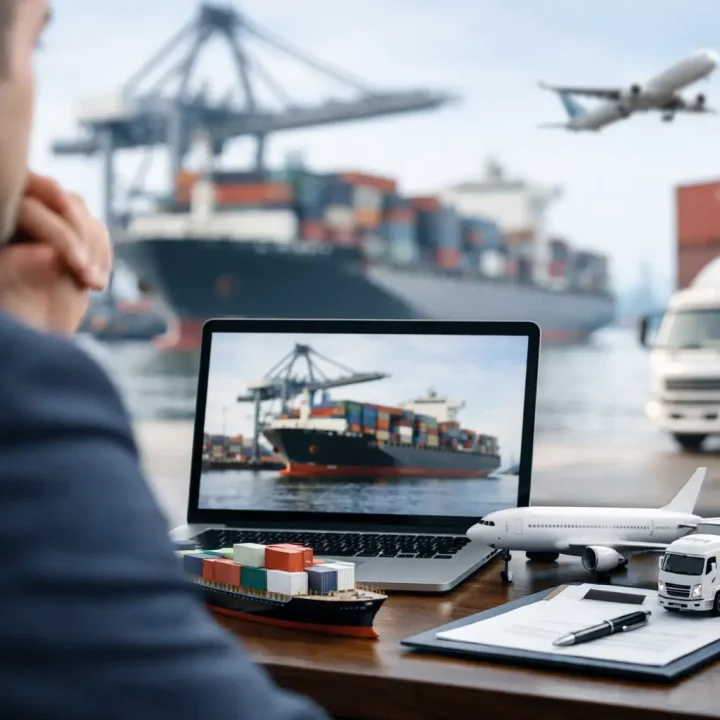
The most effective supply chains do not treat rail and road as competing services. They use each mode where it performs best. Road haulage can collect goods from the supplier and complete final delivery, while rail handles the long-distance trunk leg. Sea or air freight may form part of the wider international movement, supported by customs clearance and temporary storage where required.
Milky Way Logistics can coordinate these stages as one managed shipment, matching carriers, equipment, documents and delivery requirements to the cargo. This gives businesses a clearer view of cost, transit milestones and responsibilities across the route.
Before committing to rail or road, request a tailored quotation based on your actual collection point, destination, cargo profile and required delivery date. The right route is the one that keeps your goods moving predictably, protects their condition and supports the commercial commitments behind every consignment.