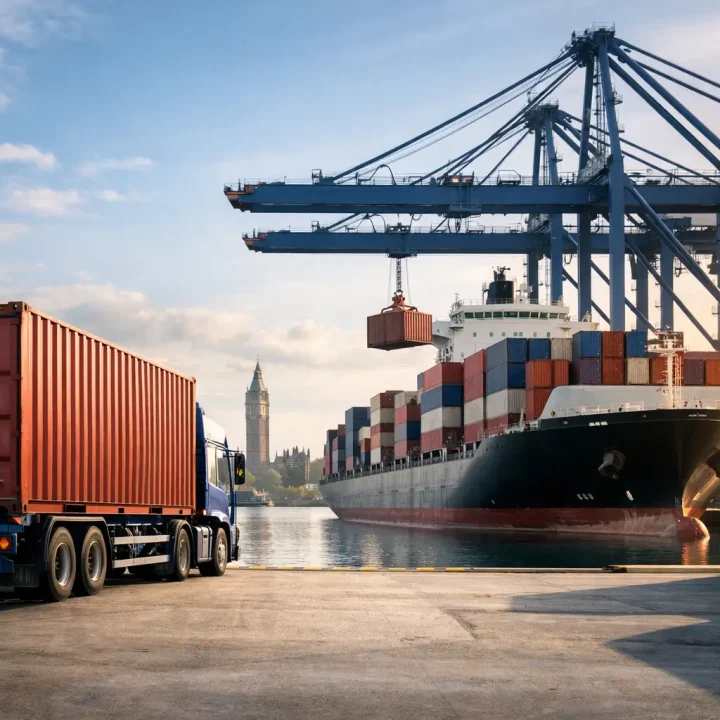
A missed collection slot can mean more than one delayed pallet. It can disrupt a production schedule, incur storage charges, miss a vessel cut-off or leave a customer waiting for stock. To arrange freight collection properly, the collection plan must account for the cargo, the collection site, the route and the paperwork before the vehicle is booked.
For UK importers, exporters and supply-chain teams, the best approach is to treat collection as the first controlled stage of the shipment, not simply the point at which goods leave the warehouse. Clear instructions at this stage give carriers, customs agents and receiving depots the information they need to keep freight moving.
Start with the cargo and collection details
A freight forwarder needs accurate information to select the right vehicle, service and route. Estimates may be enough for an initial rate, but confirmed details are essential before collection. Small changes in dimensions, weight or packaging can affect the price, the equipment required and whether the cargo can be accepted by the carrier.
Provide the number of packages, pallet count, gross weight and dimensions of each item or pallet. Describe the goods clearly, including their value, commodity, packaging type and whether they are stackable. For machinery, irregular freight or oversized cargo, include photographs and any lifting or loading requirements.
The collection address matters just as much. Confirm the postcode, site contact, opening hours, booking reference and any restrictions such as security gates, narrow access roads, low bridges or vehicle limits. A 44-tonne articulated lorry is not suitable for every industrial estate, while a tail-lift vehicle may be necessary where there is no loading bay or forklift.
Collection readiness should also be confirmed. Freight that is not packed, labelled or available when the driver arrives can lead to waiting-time charges or a failed collection. If goods are held at a supplier’s premises, make sure the supplier understands the agreed date, time window and handover process.
Choose the collection service that fits the shipment
The right collection arrangement depends on urgency, volume, destination and cost priorities. A same-day dedicated vehicle offers control for time-critical UK freight, but it will usually cost more than a planned groupage service. For regular European shipments, road haulage can provide practical door-to-door coverage and predictable transit times. Air freight may be the stronger option where stock-out risk outweighs transport cost.
For sea freight, collection timing must align with the port or consolidation warehouse cut-off. Full container load shipments may require an empty container delivered for loading, or cargo collected and taken to a container freight station. Less than container load and groupage freight is commonly collected as pallets or loose cartons before consolidation with other cargo.
Rail and multimodal options can offer a useful balance for certain long-distance routes, particularly when lead times allow for terminal handling. The key is not to choose a mode in isolation. Collection, port or airport handling, customs clearance and final delivery all need to work together.
Full loads, part loads and pallet collections
A full lorry load gives a business dedicated vehicle capacity and may reduce handling for large consignments. Part loads and pallet networks can be more cost-effective when the freight does not fill a vehicle, although collection and delivery schedules may be less flexible. Fragile, high-value or sensitive cargo may justify a more direct service even where the shipment is small.
If a consignment includes dangerous goods, tell the freight coordinator at the quotation stage. The UN number, proper shipping name, hazard class, packing group and safety documentation may determine the vehicle, packaging, carrier and route that can be used. Dangerous goods cannot be treated as standard pallet freight.
Prepare packaging, labels and loading access
Good packaging protects cargo through collection, terminal handling, international transport and delivery. It also makes collection safer and quicker. Cartons should be suitable for their weight, goods should be secured to sound pallets, and stretch wrap or strapping should prevent movement in transit. Heavy cargo may need crating, skids or specialist lifting points.
Each package should carry clear shipment labels. These normally include the shipper and consignee details, package number, handling marks and any required carrier reference. For export freight, the labels should match the packing list. Mismatched package counts are a common reason for warehouse queries and customs delays.
Before booking, check whether the site can load the collection vehicle. A forklift may be available, but its lifting capacity must be sufficient for the pallet or crate. Where no mechanical loading is available, specify this in advance so a tail-lift lorry or alternative arrangement can be planned. Drivers are not automatically responsible for loading cargo by hand, particularly where weight, safety or insurance restrictions apply.
Arrange freight collection with the right documents
Documentation should be prepared before the goods are collected, not after they reach the port, airport or bonded warehouse. The exact requirements vary by route and commodity, but commercial shipments commonly need a commercial invoice and packing list. These documents should show an accurate description of the goods, quantities, values, currency, country of origin and buyer and seller details.
For international movements, confirm the correct commodity or HS code and the agreed Incoterms. These affect customs declarations, duty and VAT treatment, responsibility for transport costs, and who manages export and import formalities. An incorrect code or vague product description can create avoidable customs queries.
Exporters should also establish whether licences, certificates or special controls apply. This can include dual-use goods, controlled technology, food products, timber, chemicals or goods subject to sanctions restrictions. Certificates of Origin, transit documents and carrier instructions may be needed for particular markets or movements.
A capable freight partner can check documents before collection and coordinate export declarations, customs entries and destination clearance. That support is particularly valuable for first-time exporters, but established businesses also benefit from a second check when products, suppliers or trading terms change.
Confirm timings and handover responsibilities
Collection dates should be planned backwards from the delivery requirement. If cargo must meet an air freight cut-off, vessel sailing or retailer delivery appointment, allow time for collection, warehouse receiving, security screening, customs processing and any required storage. The cheapest collection slot is not always the best value if it leaves no margin for disruption.
Give the collection team a nominated contact who can release the goods and sign the collection record. The driver should receive the correct reference number, and the shipper should retain evidence of the handover. Where quantities are counted or packaging condition is checked at collection, record any visible damage or shortages immediately.
It is also sensible to agree how updates will be provided. For a high-priority shipment, your team may need collection confirmation, terminal arrival, departure and delivery updates. For routine freight, milestone updates may be sufficient. The appropriate level of visibility depends on the value of the goods, customer commitments and the consequences of delay.
Avoid the problems that cause failed collections
Most collection problems are preventable. Incomplete addresses, unavailable site contacts, unready freight and incorrect weights are frequent causes. So are late changes to pallet dimensions, particularly when a vehicle has been allocated based on earlier information.
Customs issues can be less visible at collection but more costly later. A shipment may physically leave the warehouse on time yet stop at the border because the invoice lacks a clear description, the consignee details are wrong or export data has not been submitted correctly. Building documentation checks into the collection process protects the entire transport plan.
Cost control also requires transparency about accessorial charges. Waiting time, tail-lift use, timed delivery, remote-area collection, re-delivery, storage and special equipment can all affect the final cost. Asking about these factors upfront provides a more realistic quotation and reduces surprises after the booking.
Use one coordinator from collection to delivery
When road collection, warehouse handling, customs and international carriage are managed separately, information can be lost between parties. One coordinated plan makes it easier to respond when a collection time changes, a document needs correction or cargo needs temporary storage before departure.
Milky Way Logistics can coordinate collection, carrier booking, packing support, customs documentation, international freight and final delivery through a single operational contact. This gives businesses a practical route from supplier collection to consignee delivery, whether the cargo moves by road, air, sea, rail or a combination of modes.
A tailored, no-obligation freight quotation should start with the real operational picture: what is being collected, where it is ready, when it must arrive and what controls the shipment requires. With those details agreed before the vehicle is dispatched, collection becomes a dependable first step rather than the point at which delays begin.