A freight quote can look competitive until storage, demurrage, inspections, re-delivery or duty-related delays begin to appear. Effective freight cost strategies are not about choosing the lowest transport rate in isolation. They are about controlling the total landed cost of moving goods, while protecting delivery dates, product condition and customer commitments.
For UK importers, exporters and supply-chain teams, the right approach starts before a carrier is booked. Shipment profile, packing, Incoterms, customs data and delivery requirements all affect the final cost. A well-planned consignment may travel by a slightly higher-rated service yet cost less overall because it avoids delay, damage or expensive last-mile changes.
Start with total landed cost, not the freight rate
The transport charge is only one part of the cost of importing or exporting goods. A useful comparison should include collection, origin handling, export paperwork, main carriage, destination charges, customs clearance, duty and VAT, delivery, insurance and any temporary storage required.
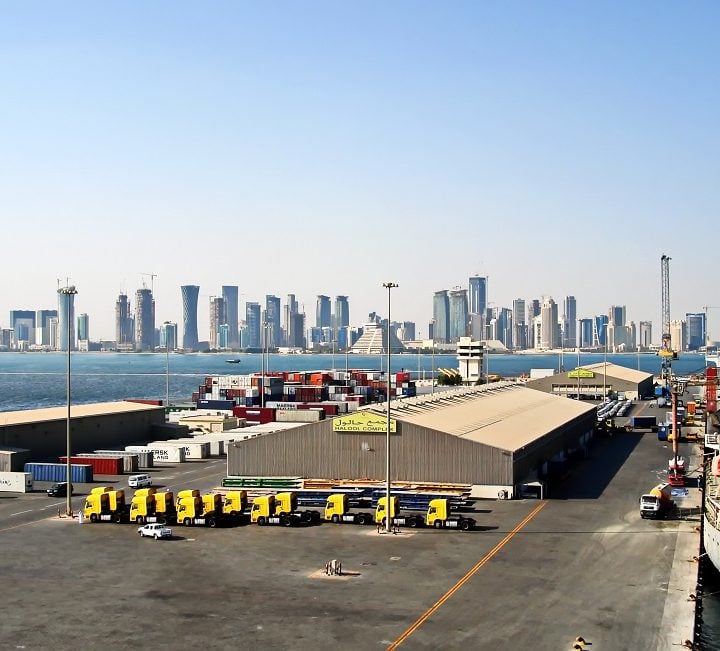
This matters particularly with sea freight. An attractive port-to-port rate may exclude destination terminal handling, documentation, customs processing and delivery from the port. Equally, an air freight rate may be sensible for high-value electronics or urgent stock replenishment if it prevents a production stoppage or lost sales. The cheapest mode on paper is not always the most commercially effective option.
Before requesting rates, provide accurate cargo information: collection and delivery postcodes, number of packages, dimensions, gross weight, commodity description, cargo value, ready date and required arrival date. For sea and air freight, dimensions are critical because carriers may charge by volumetric weight rather than actual weight. Incomplete information produces provisional pricing, followed by avoidable revisions.
Freight cost strategies begin with the right transport mode
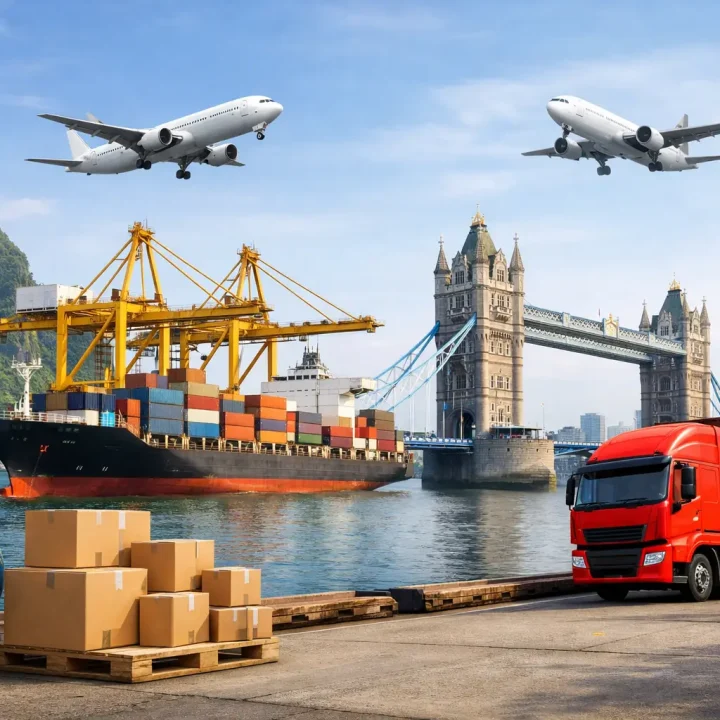
Mode selection should reflect the value, volume, urgency and predictability of the shipment. It also depends on whether the goods are replenishment stock, a time-sensitive launch, machinery for a project, or regular containerised cargo.
Use air freight where speed has a commercial value
Air freight is suited to urgent consignments, high-value goods, samples, replacement parts and products with a strong margin per kilogramme. It is rarely the lowest-cost option per unit of weight, but it can reduce inventory holding and shorten exposure to supply disruption.
The practical question is not simply, “Can this go by air?” Ask what a delayed arrival would cost. If a missed deadline leads to line stoppage, contractual penalties or cancelled sales, quick and reliable air freight can be the more economical decision.
Match sea freight service to shipment size
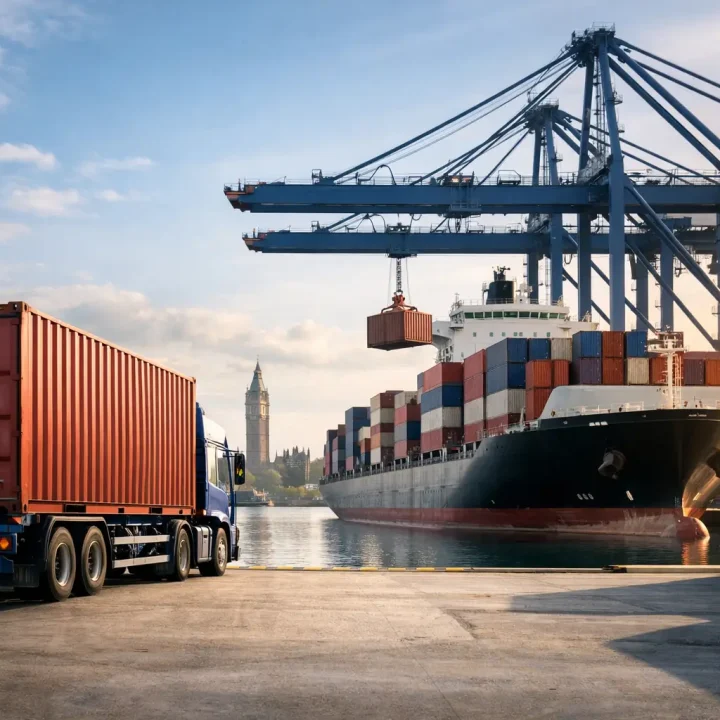
For regular, high-volume imports or exports, a full container load can offer good cost control and better security, particularly when the cargo fills most of a 20ft or 40ft container. You pay for dedicated container space and can plan loading, sealing and delivery around your own schedule.
Less-than-container load shipping is useful where volumes do not justify a full container. However, LCL charges are calculated through a combination of volume, handling and consolidation requirements. For larger part loads, compare LCL against an FCL option rather than assuming consolidation will remain cheaper. At a certain volume, a full container can become the more predictable choice, especially once handling and destination charges are included.
Use road, rail and multimodal routes intelligently
European road haulage offers flexibility for palletised freight, part loads and time-defined deliveries. It can be particularly effective for UK-EU movements where collection and final delivery access matter as much as transit time. Groupage reduces cost by sharing vehicle space, while dedicated transport provides greater control for urgent, high-value or unusually shaped goods.
Rail and multimodal transport can provide a useful balance for selected long-distance routes. They may reduce reliance on a single mode and support more stable planning, but handovers must be managed carefully. The right route depends on transit-time tolerance, departure frequency, cargo type and the reliability of onward delivery.
Improve packing before you pay for space
Freight costs rise quickly when packaging adds unnecessary volume or makes cargo difficult to handle. Oversized cartons, weak pallets and unstackable goods can result in higher volumetric charges, restricted loading options or damage during transit.
Review whether cartons are correctly sized, pallet footprints are consistent and goods can be safely stacked. For fragile, high-value or machinery shipments, reduced packaging is not always the answer. Proper crating, internal protection and secure palletisation may cost more at origin but can prevent claims, rework and replacement shipping later.
Weight distribution also matters. Poorly loaded pallets may attract handling concerns, while cargo that exceeds standard dimensions can require specialist equipment or vehicle arrangements. Declare unusual sizes, dangerous goods and handling requirements at the quotation stage. Surprises at collection are among the fastest ways for a planned shipment to become an expensive one.
Build customs control into your cost plan
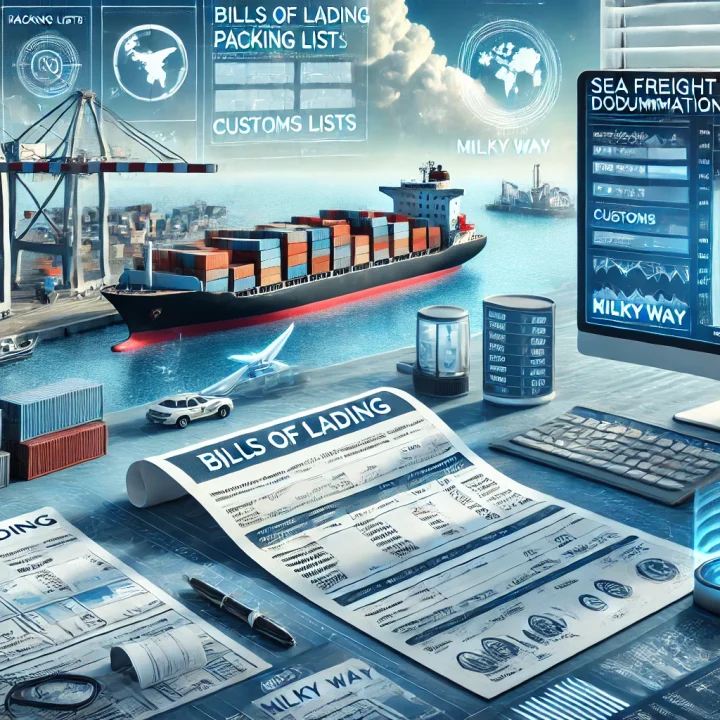
Customs errors can turn a routine movement into storage charges, missed collections and delivery delays. Commodity descriptions, HS codes, customs values, country of origin and supporting documents must be accurate and consistent across the commercial invoice, packing list and declaration.
Duty and VAT should be considered early, particularly when sourcing from new territories or changing suppliers. A lower purchase price can be offset by a different duty rate, anti-dumping measures, licensing conditions or additional compliance requirements. Incoterms also affect who controls transport, insurance, export formalities and import clearance. They should be agreed for commercial reasons, not selected by habit.
For example, an importer using an arrangement where the supplier controls most of the journey may have less visibility of carrier selection, departure timing and destination charges. A term that gives the buyer more control can support better rate comparison and clearer customs planning, but it also places more coordination responsibility on the buyer.
Customs clearance with confidence comes from checking documents before cargo departs, not after it reaches a port or airport. This is especially important for first-time importers, regulated goods, temporary imports, returned goods and vehicle movements.
Reduce avoidable accessorial charges
Many logistics overspends are caused by charges that were avoidable with earlier decisions. These are often operational rather than transport problems. The most common areas to monitor are:
- storage and demurrage when documents, customs clearance or collection are delayed;
- waiting time when loading bays, forklift access or delivery appointments are not ready;
- re-delivery costs caused by incorrect addresses, restricted access or failed delivery bookings;
- detention charges where containers or equipment are not returned within the agreed free time.
Assign a clear owner for each stage. Someone should know when documents need approval, whether a delivery booking is confirmed, who will unload the goods and when empty equipment must be returned. For busy import programmes, a simple pre-arrival checklist can prevent far more cost than last-minute rate negotiations.
Consolidate where it supports the supply chain
Consolidation can reduce unit freight costs by combining compatible shipments from multiple suppliers or orders into one movement. It is particularly useful for businesses importing regular smaller volumes from China, Europe or the United States, where individual consignments would otherwise incur repeated handling and documentation charges.
There is a trade-off. Consolidation normally requires cargo to wait until sufficient volume is available, which may add days to the origin schedule. It is a good strategy for predictable replenishment stock, but less suitable for goods needed immediately or products with a short selling window.
Warehousing and temporary storage can help create more efficient delivery patterns after arrival. Rather than sending multiple small consignments directly to different locations, businesses may bring goods into a distribution point and plan onward pallet delivery or final-mile transport around customer demand. The storage cost must be weighed against reduced transport spend and improved stock availability.
Use data to negotiate better, not simply harder
Carriers and freight forwarders can price more accurately when they understand expected volume, lane frequency, seasonality and service requirements. A business moving ten pallets every month has a different buying position from one requesting ten unrelated spot quotes.
Track actual shipment costs against the original quotation. Look for repeated issues: frequent volumetric adjustments, collection failures, storage at destination, costly urgent movements or unexpected customs queries. These patterns reveal where process changes will have the greatest effect.
It is also sensible to plan for peak periods. Air capacity can tighten sharply, ocean schedules can change and European road availability may be affected by holidays, border congestion or seasonal demand. Booking earlier does not remove every risk, but it gives more route and carrier options than an urgent request made after stock has already run low.
Choose a freight partner that coordinates the detail
Cost control depends on execution. A forwarder should do more than obtain a carrier rate: it should help select the right mode, check shipment data, coordinate collection, manage documentation, arrange customs formalities and keep the delivery plan visible from origin to final destination.
Milky Way Logistics coordinates tailored air, sea, road, rail and multimodal movements for commercial cargo across the UK and worldwide, with practical support for customs, storage and final delivery. The best time to improve a shipment’s cost is before it is booked, when route, packaging, Incoterms and timing can still be adjusted. Request a tailored, no-obligation freight quotation with the full cargo and delivery details, and make each movement work harder for your margin.