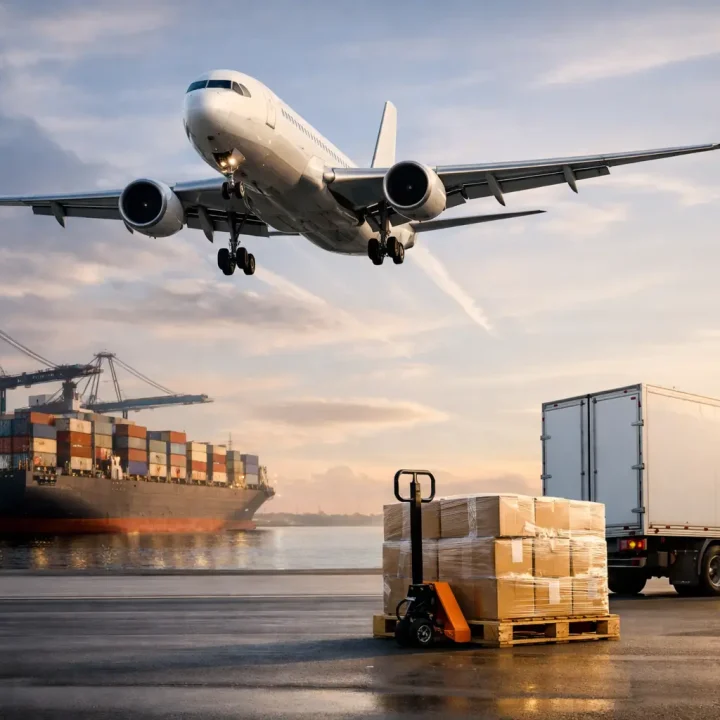
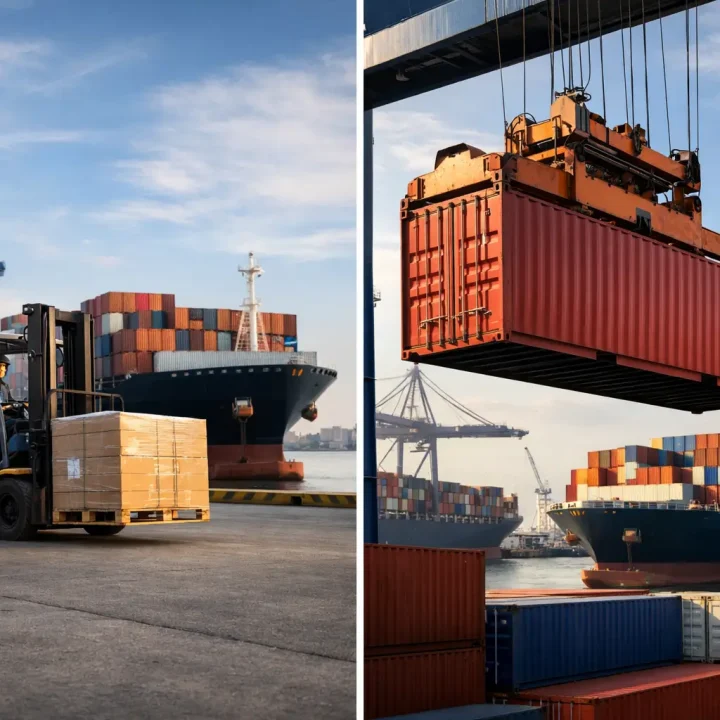
A sea freight rate can look highly competitive until the container reaches the destination port and the work after discharge becomes clear. That is the practical difference at the heart of door-to-door versus port-to-port shipping. One service places a single logistics provider in charge from collection through to final delivery. The other covers the international sea leg between ports, leaving more coordination, local cost exposure and operational responsibility with the buyer or seller.
For UK importers and exporters, neither option is automatically better. The right choice depends on the shipment’s value, volume, destination, in-house capability, delivery deadline and agreed Incoterms. Understanding exactly where each service starts and ends prevents unwelcome charges, missed collection slots and avoidable delays at customs.
What door-to-door shipping covers
Door-to-door shipping is an end-to-end freight service. The cargo is collected from the supplier, factory, warehouse or other agreed address and delivered to the consignee’s nominated premises. It can combine collection by lorry, export handling, international freight, customs formalities, destination handling and final-mile delivery.
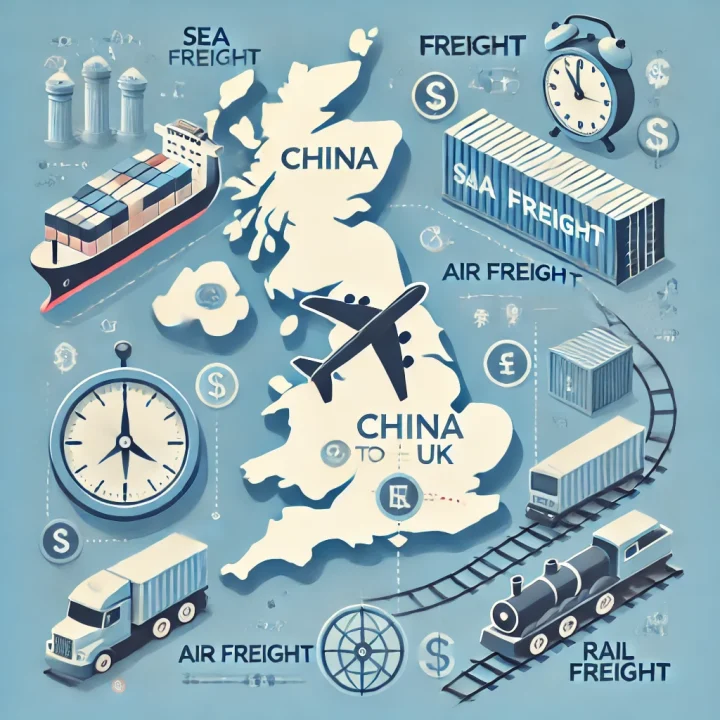
For a UK business importing an LCL shipment from China, for example, the freight forwarder may arrange collection from the supplier, consolidation at origin, sea freight to a UK port, import customs clearance, port release and delivery of the pallets to the company’s warehouse. The customer has one point of contact coordinating the route and monitoring each handover.
Door-to-door does not mean every charge or responsibility is identical on every booking. Duty and import VAT, inspections, storage caused by delayed paperwork, demurrage and detention, or delivery restrictions can still apply. The quotation should state clearly what is included, which assumptions have been made and which destination charges remain outside the freight rate.
This service is often the strongest fit where a business needs predictability and has limited time to manage several suppliers. It is also useful for first-time importers, regular e-commerce replenishment, sensitive equipment and shipments moving to locations where local transport arrangements would be difficult to organise from the UK.
What port-to-port shipping covers
Port-to-port shipping generally covers transport from the port of loading to the port of discharge. With sea freight, this normally means the carrier moves a full container, LCL consignment or breakbulk cargo from one named port to another. Collection at origin and delivery after arrival are arranged separately.
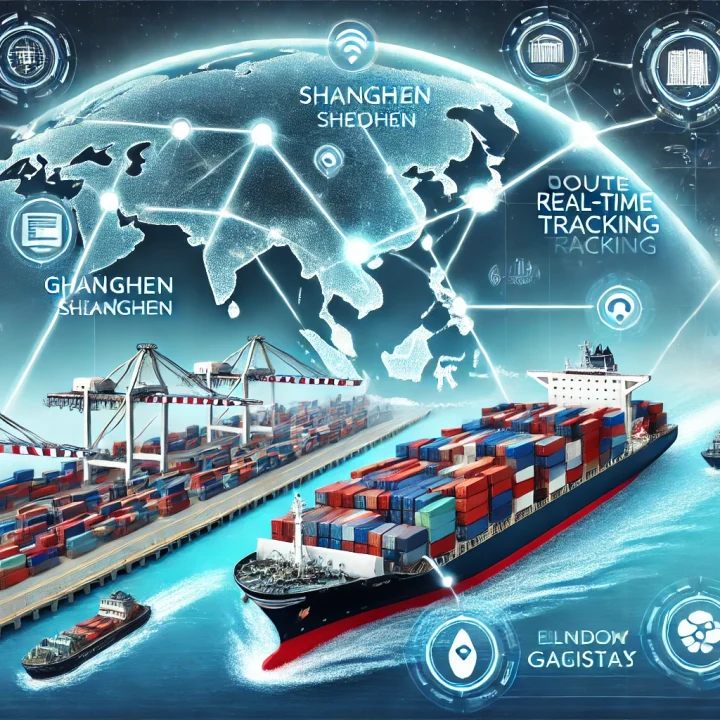
A shipment from Shanghai to Felixstowe on a port-to-port basis may include the ocean carriage only, subject to the carrier’s terms. The importer may then need to appoint a customs agent, arrange payment or deferment of duty and VAT, secure release documentation, book a haulier and make sure the container or cargo is collected within the permitted free time.
This approach gives experienced importers greater control over the domestic legs. A company with established contracts for UK haulage, warehouse handling and customs clearance may achieve a lower overall cost or use its preferred local providers. It can also be appropriate where the cargo is being moved onwards from the port to multiple destinations, rather than one final delivery address.
However, the headline port-to-port price is not the landed cost. Terminal handling, documentation, customs clearance, port security fees, container collection, delivery, storage and equipment-related charges can all sit outside the ocean freight figure. The exact position varies by carrier, route, port and commercial terms.
Door-to-door versus port-to-port shipping: the operational differences
The most significant difference is not simply distance. It is who manages the interfaces between collection, export formalities, international transport, import clearance and delivery.
With door-to-door freight, the logistics coordinator plans those interfaces as one movement. If the supplier is not ready, the booking needs amending or documents are incomplete, there is a clear party responsible for bringing the plan back on track. This reduces administration for the shipper or consignee and helps protect delivery schedules.
With port-to-port freight, the buyer or seller takes on more of those interfaces. That can work well when an internal transport team understands port processes and has the capacity to react quickly. It becomes riskier when the shipment requires customs intervention, a timed delivery, specialist equipment, dangerous goods handling or a collection from a congested port.
Visibility also differs. A port-to-port service may provide vessel tracking, but this only confirms progress during the sea leg. Door-to-door tracking should cover milestones from collection and origin handling through to customs release and proof of delivery. For operations teams managing stock availability, that wider view is often more valuable than the lowest ocean rate.
Cost: compare the complete landed cost
Port-to-port shipping can be cheaper at the quotation stage because fewer services are included. It may genuinely be the most economical route if the customer already has efficient local arrangements. But it should be compared against the full landed cost, not against a door-to-door quote line by line.
Ask for a clear breakdown of origin charges, international freight, destination terminal costs, customs clearance, delivery, equipment return requirements and any potential waiting-time charges. For FCL container shipments, confirm the free time at the destination port and whether the delivery plan allows enough time to return the empty container. For LCL, check whether destination handling and unpacking charges are included.
Door-to-door pricing can be easier to budget because it brings more of these elements together. It also reduces the chance that a low freight rate is offset by expensive last-minute local arrangements. That said, a reliable quotation should never promise an artificial all-inclusive price where duties, taxes, examinations or third-party storage cannot reasonably be fixed in advance.
Customs and Incoterms need to match the service
Freight scope and the sales contract must work together. Incoterms determine who is responsible for transport, risk, export clearance and, in many cases, import arrangements. They are not simply labels to place on an invoice.
For example, FOB is commonly used for containerised sea freight but can create confusion where the buyer believes all destination costs are included. Under FCA, the seller delivers to a named carrier or place, which is often more practical for container movements. DAP can support a door-delivery arrangement, while DDP places substantial responsibilities on the seller, including import duties and taxes, and needs careful planning for UK imports.
The importer of record must be correctly identified, and the customs declaration needs accurate commodity codes, goods values, origin details and supporting documents. A door-to-door movement still requires compliant paperwork. It simply means the freight provider can coordinate documentation checks, customs entries and delivery planning as part of the wider service.
When each option is likely to suit your business
Door-to-door is usually the practical choice when you want one provider to manage collection and final delivery, need support with customs and documentation, or are moving goods to a site without established port collection arrangements. It is particularly valuable for time-sensitive cargo, first-time importers and businesses that need their team focused on sales, production or fulfilment rather than port administration.
Port-to-port can suit an experienced importer or exporter with established customs, warehousing and haulage partners at both ends. It may also suit cargo destined for a bonded warehouse, a distribution operation close to the port, or a business that wants to control the final delivery leg itself.
A third option is often worth considering: door-to-port or port-to-door. These arrangements split responsibility at a point that reflects the supply chain. A UK exporter might arrange collection and export handling but sell freight only to the destination port. Conversely, an importer may have its supplier deliver cargo to origin port while arranging a managed service from the UK port to its warehouse.
Questions to settle before requesting a rate
A useful freight enquiry should identify the collection address, delivery address, cargo dimensions and weight, readiness date, commodity, packaging, Incoterm and any special handling requirement. For sea freight, specify whether the shipment is likely to be FCL or LCL and whether the delivery site can accept a container or requires palletised delivery.
It is also sensible to confirm who will act as importer or exporter of record, whether duty and VAT arrangements are in place, and whether the cargo needs cargo insurance. High-value, fragile, oversized and dangerous goods require additional planning, and leaving those details until after booking can affect both cost and transit time.
The best freight choice is the one that gives your business control where it adds value and removes complexity where it does not. A tailored, no-obligation quotation from Milky Way Logistics can set out the realistic door-to-door, port-to-port or split-service options for your route, so the shipment arrives with its costs, customs responsibilities and delivery plan understood from the start.