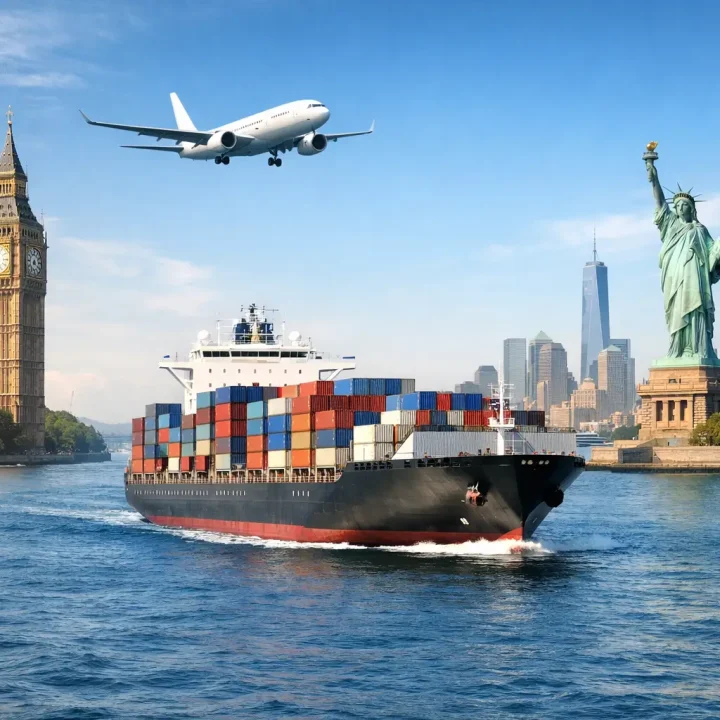
A production line waiting for a critical component, a retailer facing a stock-out, or a customer expecting a replacement shipment cannot afford vague delivery promises. Urgent international freight delivery is not simply about choosing the fastest available service. It requires a realistic route, confirmed carrier capacity, correct documents and active control from collection through to final delivery.
For UK businesses, the right response depends on the cargo, origin, destination, deadline and consequences of delay. Air freight may be the obvious choice, but road express, dedicated vehicles, courier services and carefully planned multimodal movements can sometimes provide a better balance of speed, cost and reliability.
What makes freight genuinely urgent?
An urgent consignment is one with a fixed operational deadline rather than a preferred delivery date. This may be a spare part needed to prevent factory downtime, exhibition equipment required before a set-up window, medical or technical equipment, high-value electronics, or stock needed to fulfil a contractual commitment.
The urgency can arise at any point in the supply chain. A supplier may complete production late, a vessel may be rolled, goods may be held pending missing paperwork, or a customer may bring forward a requirement. In each case, the freight solution must be built around the latest possible collection time and the true delivery deadline, not an optimistic transit-time estimate.
A dependable plan considers handovers as carefully as transport. A fast flight is of limited value if cargo misses the airport cut-off, waits for export clearance or is not collected promptly after arrival. The same applies to European road freight, where border formalities, driver hours, loading times and delivery-booking requirements can affect the final result.
Choosing the right urgent international freight delivery option
Air freight for long-distance, time-critical cargo
Air freight is often the strongest option for urgent shipments travelling between the UK and the United States, China, the Middle East or other distant markets. It offers fast airport-to-airport transit and can be arranged with collection, export formalities, destination handling and final-mile delivery as part of a door-to-door movement.
However, air freight is not one single product. A scheduled service may offer good value where the deadline allows a day or two of flexibility. Priority or express options can reduce handling and secure earlier uplift, while an onboard courier may be appropriate for small, exceptionally critical consignments. The most suitable choice depends on cargo dimensions, weight, packaging, available flight capacity and the latest acceptable delivery time.
Volumetric weight also matters. Large but lightweight cargo can cost considerably more by air than its physical weight suggests. Where speed is essential but the shipment is bulky, splitting the consignment can be sensible: send the parts needed immediately by air and move the remainder by sea or rail.
European road freight for speed and control
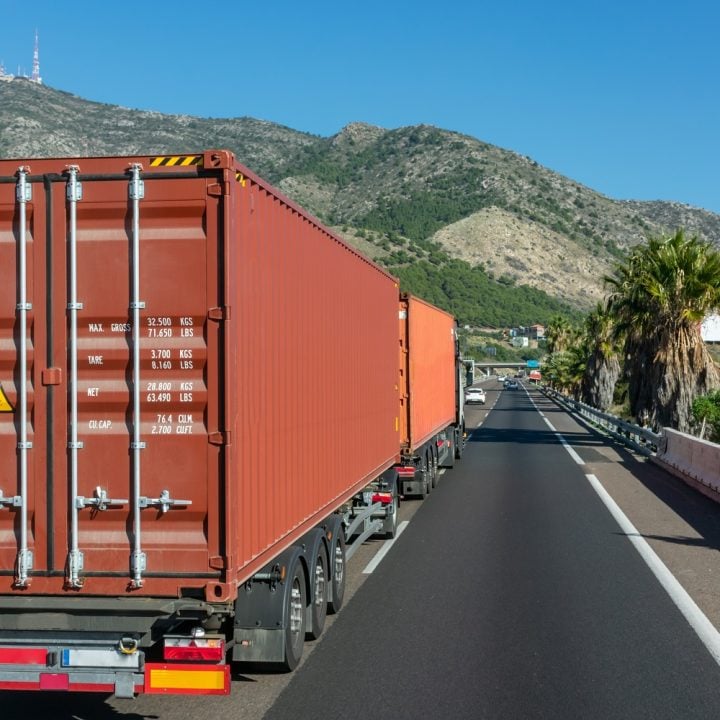
For movements across the UK and Europe, express road transport can be more direct than air freight. A dedicated van or lorry can collect from a supplier and travel straight to the consignee, avoiding airport terminal handling and reducing transfers. This is particularly useful for machinery spares, pallets, trade-show materials, samples and sensitive equipment.
Groupage is more cost-effective for less critical shipments, but it operates to a shared schedule and includes extra consolidation points. For a delivery that must arrive at a specific time, a dedicated vehicle or time-definite road service usually offers greater control. The trade-off is cost, especially for a vehicle travelling with a part load.
Road services also need careful customs preparation for UK-EU movements. Since customs requirements apply at the border, shipment information, commodity codes, values and supporting documents should be checked before collection rather than after the vehicle is loaded.
Courier, hand-carry and special arrangements
Courier services suit urgent cartons, documents, samples and smaller consignments where fast collection and final-mile delivery are required. They can provide a practical option for shipments that are too small for conventional freight but too important for standard parcel delivery.
Some cargo needs more than a priority label. Dangerous goods, fragile items, temperature-sensitive products, unusually shaped equipment and high-value goods may require specialist packing, security measures, particular vehicle types or airline approvals. These requirements should be identified at quotation stage. A rushed booking based on incomplete cargo information can create avoidable delays later.
Customs clearance is part of the delivery clock
Customs formalities do not sit separately from urgent transport. They are a central part of whether the shipment moves on time. A consignment can arrive at its destination airport or border exactly as planned and still be delayed if the declaration is incomplete, the commodity code is incorrect or the commercial invoice does not clearly describe the goods.
For urgent imports and exports, the key documents should be ready before cargo collection wherever possible. These normally include the commercial invoice, packing list, shipment values, commodity descriptions, country of origin, Incoterms and the importer or exporter’s relevant customs details. Depending on the goods and destination, licences, certificates or additional regulatory information may also be needed.
Clear commodity descriptions are particularly important. Terms such as ‘parts’, ‘samples’ or ‘equipment’ rarely give customs authorities enough information to classify goods accurately. Describe what the goods are, what they are made from, their intended use and, where relevant, model or part numbers. This supports correct HS-code guidance, duty and VAT planning, and a cleaner customs process.
Importers should also consider who is responsible for duty, VAT, destination charges and customs representation. Uncertainty over payment authority can hold cargo at a time when every hour matters. Confirming responsibilities under the agreed Incoterms before dispatch prevents difficult conversations once the goods have landed.
Information needed to plan a fast movement
Speed improves when the freight coordinator receives complete information at the outset. For urgent freight, the collection address, cargo-ready time and loading conditions are as relevant as the destination. A collection from a site with restricted access, a booking system or limited loading hours must be planned around the actual operating conditions.
Provide accurate dimensions, gross weight, package count and packaging type. State whether goods are stackable, fragile, hazardous, high-value or subject to temperature, security or handling requirements. For pallets, confirm the pallet size and whether they can be safely moved by forklift or tail-lift.
The deadline should be specific. ‘As soon as possible’ gives limited direction, whereas ‘delivered by 10:00 on Thursday, with no weekend receiving’ allows the route and service to be assessed properly. It is equally useful to identify the commercial impact of a missed deadline. That helps determine whether a premium service is justified or whether a lower-cost option still provides enough contingency.
Managing risk when time is limited
Urgent transport often involves higher costs because capacity, dedicated equipment and premium handling are being secured at short notice. The aim is not to choose the most expensive service automatically. It is to spend where it reduces the risk that matters most.
A practical plan includes fallback options. If a particular flight is full, can cargo travel from another UK airport? If a border crossing is disrupted, is there a workable alternative route? If one portion of the shipment is essential, can it be prioritised while the balance follows separately? These decisions are easier before collection than during a disruption.
Packing should not be compromised in the rush to dispatch. Inadequate crating, weak pallets or missing labels can lead to rejection by a carrier, cargo damage or additional handling. The same principle applies to cargo insurance guidance. High-value or commercially critical goods deserve a clear view of the available cover and the information required to arrange it.
Shipment visibility also supports better decision-making. Clear updates on collection, departure, customs status, arrival and final delivery allow operations teams to prepare receiving staff, notify customers and respond quickly if a change is needed. A named point of contact is particularly valuable when a shipment involves several carriers, warehouses or customs agents.
When a slower mode may be the better decision
Not every late shipment needs to move entirely by air. If the goods are large, heavy or non-essential to the immediate requirement, sea freight, rail freight or consolidated road transport may be commercially wiser. A mixed approach can protect cash flow without compromising the urgent need.
For example, an importer may airfreight enough stock to cover a short sales period, then send the main replenishment by FCL, LCL or rail. A manufacturer may move one critical component by dedicated road transport while shipping the remaining parts on a standard schedule. This approach treats urgency as a supply-chain decision, not just a transport purchase.
The best urgent freight plan is the one that reaches the right destination, with the correct paperwork, in usable condition and by the time the business actually needs it. Milky Way Logistics can coordinate collection, carrier booking, customs formalities, monitoring and delivery across international routes. Request a tailored, no-obligation freight quotation with your cargo details and deadline, and make the delivery plan before the clock becomes the problem.