A container arriving at Felixstowe does not always need to become an immediate duty and VAT cost. For importers bringing goods into the UK before knowing exactly when, where or to whom they will be sold, understanding how to use customs warehousing can make a material difference to working capital and stock control.
Customs warehousing is a customs procedure that allows eligible non-UK goods to be stored under customs control while import duty and import VAT are suspended. The charges become due only when goods are released into free circulation in the UK, unless they are re-exported or moved under another approved procedure. It is a practical option, but only when the warehouse, records and customs entries are managed correctly.
What customs warehousing does for your supply chain
A customs warehouse is not simply a secure building where imported stock waits for dispatch. It is an authorised arrangement with clear customs controls. Goods remain non-Union goods for customs purposes while held under the procedure, even when they are physically in the UK.
The commercial benefit is timing. Rather than paying duty and VAT when an entire consignment arrives, an importer can release stock in smaller quantities as orders are received. This can be useful for seasonal ranges, higher-value goods, uncertain demand and products intended for a mix of UK and overseas customers.
For example, a retailer may import a full container of consumer electronics from China in August but expect sales to run through Christmas and into the new year. Customs warehousing can defer the duty and VAT position until units are released for the UK market. If part of that stock is sold to a customer outside the UK, it may be re-exported without first being released into UK free circulation.
This does not remove duty permanently for goods sold in the UK. It changes when the liability arises. The value lies in improved cash-flow planning, closer alignment between tax payments and sales, and the ability to hold stock nearer to customers without making an immediate customs payment on every item.
How to use customs warehousing step by step
1. Decide whether the procedure suits the goods and trading model
Start with the commercial case, not the warehouse space. Customs warehousing tends to suit businesses importing regular volumes, goods with a significant duty exposure, stock with a long holding period, or products that may be re-exported. It can also support importers who need to break bulk, consolidate onward shipments or distribute stock after customer orders are confirmed.
It may be less suitable for low-value consignments that turn over rapidly. The cost of storage, stock administration, warehouse handling and customs control can outweigh the cash-flow benefit. The answer depends on duty rates, import values, expected dwell time, order patterns and the number of customs movements required.
Goods subject to special controls need particular care. Dangerous goods, excise goods, food products, medicines, controlled items and products requiring licences may need additional approvals, facilities or procedures. Do not assume that a customs warehouse automatically meets every regulatory requirement.
2. Choose the right authorised warehouse arrangement
In practice, many importers use an authorised public customs warehouse operated by a logistics provider. This is often the most straightforward route because the operator has the approved site, systems and processes in place. The importer remains responsible for providing accurate commercial information and instructing the correct customs treatment for the goods.
A business with substantial, regular volumes may consider a private customs warehouse arrangement. This can offer more operational control, but it also brings greater responsibility for authorisation, inventory records, customs supervision and compliance. It is not simply a matter of designating an existing storeroom as bonded space.
Before selecting a facility, confirm how goods will be received, identified, separated where necessary, counted, picked and released. The warehouse should be able to match physical stock to customs records at any point. For palletised goods, that may be relatively direct. For loose units, serialised electronics or multiple SKUs in mixed cartons, the inventory process needs more detailed planning.
3. Prepare the customs and commercial data before arrival
The procedure begins with accurate data. Your freight forwarder or customs agent will normally need the commodity code, goods description, customs value, origin, quantities, packing details, Incoterms, supplier invoice and transport documents. An EORI number is also required for businesses making customs declarations in the UK.
Commodity classification and origin deserve attention because they influence duty treatment and, in some cases, eligibility for preferential tariffs. A vague description such as “parts” or “accessories” can create delays and risks. Describe what the goods are, what they are made of and their intended use, then ensure that description is consistent across the commercial invoice, packing list and declaration.
The declaration must place the goods under the customs warehousing procedure. The goods cannot simply be delivered to a warehouse after a standard import declaration has released them into free circulation. Customs status must be decided before or at arrival, with the correct process followed through to the warehouse admission.
4. Keep inventory records that stand up to scrutiny
Once goods have entered customs warehousing, record keeping becomes central to compliance. The warehouse inventory needs to show what arrived, when it arrived, the relevant customs reference, where stock is held, what has been removed and the customs status of each movement.
A good process also records discrepancies promptly. Shortages, damage, destroyed goods, repacking activities and stock adjustments can have customs consequences. Waiting until the annual stocktake to identify a mismatch is not a reliable control.
Your records should make it possible to trace a released carton or pallet back to its original import entry. This is particularly important where stock from multiple consignments is stored together, or where duty rates and origins differ between batches of otherwise similar goods.
5. Release, transfer or re-export goods correctly
When a UK customer places an order, the relevant quantity can be declared to free circulation. At that point, applicable duty and import VAT become payable or accounted for under the importer’s chosen VAT arrangements. The goods can then move into normal UK distribution.
If goods are sold to a customer outside the UK, re-export may be the appropriate outcome. In other situations, stock may move under transit to another customs location, be transferred to another authorised warehouse, or enter a different customs procedure. Each route requires the correct declaration and supporting evidence.
Do not treat a warehouse pick note or courier collection as proof that customs formalities are complete. Physical removal and customs discharge must match. This is where close coordination between the warehouse team, customs agent, freight forwarder and your own stock controller prevents avoidable exposure.
Where importers gain the most value
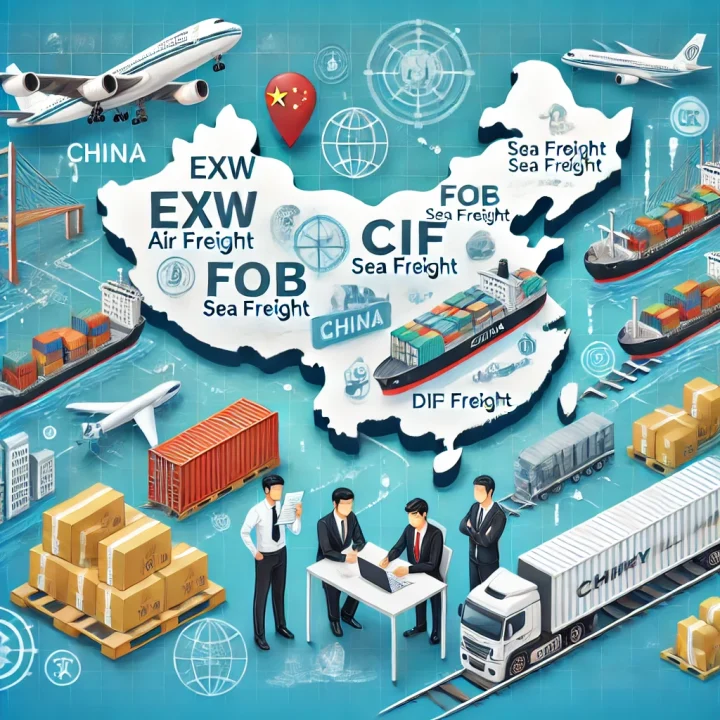
Customs warehousing is especially effective when it is part of a wider transport and distribution plan. Sea freight may be the right choice for a full container from Asia, while urgent top-up stock travels by air freight. European road haulage may then support onward deliveries, and pallet distribution can release UK orders as needed.
The procedure can also help businesses hold contingency stock without tying up cash in duty before demand is established. Manufacturers may store imported components pending production schedules. Wholesalers can position stock for multiple customers. E-commerce sellers can import in volume, then release inventory progressively as fulfilment demand becomes clearer.
That flexibility has limits. Storage charges continue, stock can become obsolete, and customs administration has to be resourced. A slow-moving product with modest duty may be better managed through a standard import route and efficient forecasting. Customs warehousing should support a clear stock strategy, not compensate for poor buying decisions.
Common mistakes to avoid
The most costly mistakes usually start with assumptions. Importers may assume all warehouse stock is automatically duty-suspended, use an incorrect commodity code, release goods before the relevant customs declaration is complete, or lose track of which batches have already entered free circulation.
Another frequent issue is poor communication between purchasing, finance and operations. Finance needs visibility of when liabilities will crystallise. Operations needs release instructions that match customer orders. The warehouse needs accurate SKU and quantity data. Customs teams need documents early enough to make compliant declarations without holding up the shipment.
For first-time users, a short operating procedure is worthwhile. It should identify who approves entries to the warehouse, who instructs releases, what documents are required, how inventory is reconciled and who investigates discrepancies. Clear ownership is more valuable than a complicated process.
Plan the procedure around the shipment, not after arrival
Customs warehousing works best when it is agreed before the goods leave the supplier. The transport mode, arrival port, authorised warehouse, documentation, customs declaration and final distribution plan should all fit together. Milky Way Logistics can coordinate freight, customs clearance, warehousing and onward delivery so that the movement is managed as one controlled process rather than a series of separate bookings.
If you are considering the procedure, begin with a practical review of your import values, duty exposure, stock profile and likely release pattern. A tailored freight quotation can then account for the right route, storage arrangement, customs handling and delivery schedule – giving your business control over both the cargo and the cash tied up in it.