A shipment can be commercially ready, correctly packed and booked on the fastest available service, yet still be refused at collection because one dangerous goods detail is missing. For businesses arranging dangerous goods freight UK movements, compliance is not a final paperwork exercise. It determines the packaging, labels, transport mode, route, carrier acceptance and delivery plan from the outset.
Whether you are moving paint, chemicals, aerosols, batteries, machinery containing fuel, medical products or industrial components, the right process protects people, prevents delays and keeps your supply chain moving. The practical question is not simply whether a product is hazardous. It is how that particular product must travel safely and lawfully.
What counts as dangerous goods?
Dangerous goods are substances or articles that could present a risk to health, safety, property or the environment during transport. They are commonly referred to as hazardous materials or hazmat, but the correct transport classification matters more than the label used internally by your business.
Goods are assigned to one or more of nine transport classes. These include explosives; flammable gases, liquids and solids; oxidising substances; toxic and infectious substances; radioactive material; corrosives; and miscellaneous dangerous substances. Lithium batteries, dry ice and some environmentally hazardous products often fall within the final category, although their handling requirements can still be highly specific.
A product safety data sheet is a useful starting point, but it does not always provide everything required to book freight. A carrier or freight forwarder will normally need the UN number, proper shipping name, class, any subsidiary risk, packing group, quantity, package type and transport mode. For some consignments, details such as flash point, net quantity, battery watt-hour rating or temperature-control requirements are also needed.
Dangerous goods freight UK rules by transport mode
The regulations change according to how the goods travel. This is why choosing the lowest-cost option before checking acceptance criteria can create an expensive problem later.
Road freight within the UK and Europe
Road movements are principally governed by ADR, the European agreement covering the international carriage of dangerous goods by road. ADR requirements can apply to vehicle equipment, placarding, packaging, documents, driver training and emergency procedures. UK domestic transport also operates within the relevant domestic dangerous goods framework.
For a palletised consignment, the most suitable service may be a dedicated vehicle, a part load or a groupage network. Groupage can be cost-effective, but it depends on carrier acceptance, compatibility with other cargo and whether the collection and delivery locations can safely handle the goods. A dedicated vehicle may provide more control for urgent, higher-risk or sensitive loads.
Air freight
Air freight is often the fastest option, but it has the most restrictive dangerous goods acceptance rules. Airlines apply the IATA Dangerous Goods Regulations, with individual carrier variations and limits on quantities, package types and routes. Some goods accepted by road cannot travel by air at all, while others may only be accepted on cargo aircraft.
Lithium batteries are a frequent example. The battery type, condition, capacity, state of charge and whether it is packed with equipment, contained in equipment or shipped on its own can all affect eligibility. Declaring batteries simply as “electronics” is not a shortcut. It is a reason for a shipment to be held, returned or rejected.
Sea freight
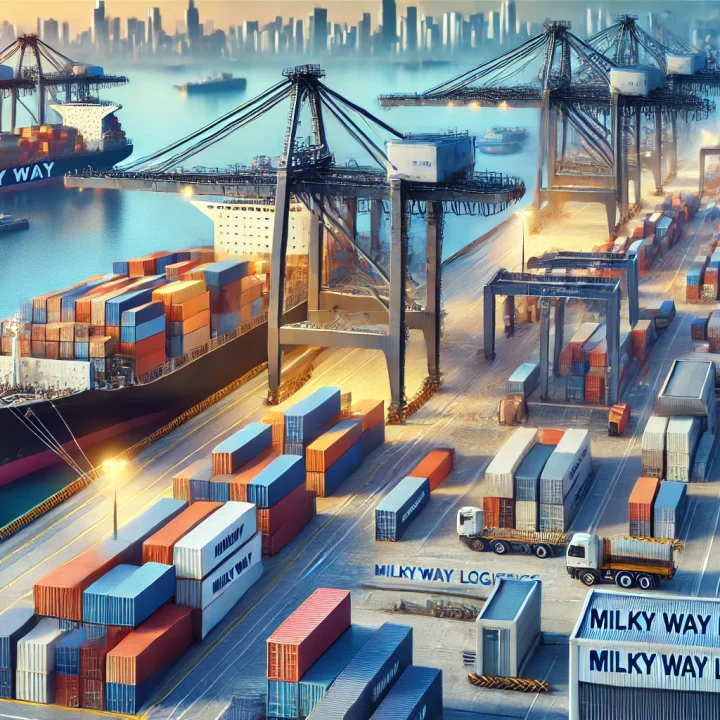
Sea freight follows the International Maritime Dangerous Goods Code, known as IMDG. It is often a practical choice for larger volumes and regular international movements, particularly where air freight restrictions or cost make flying unsuitable. However, sea shipments require careful planning around container packing, segregation, port acceptance and cut-off times.
In a shared container or LCL shipment, incompatible goods cannot be packed or stowed together. A full container can offer greater control where volumes justify it, but it also places greater emphasis on correct loading, securing and container declaration. Certain cargo may require a specific stowage position, temperature controls or emergency response information.
Rail and multimodal movements
Rail transport uses RID rules, while multimodal shipments must meet the requirements of every stage. A consignment moving by road to a UK port, by sea to Europe and then by rail to its final destination cannot be prepared only for the first lorry journey. The strictest applicable requirement often shapes the full transport plan.
Get the classification right before booking
The most common cause of disruption is incorrect or incomplete classification. A commercial product name is not a proper shipping name, and a safety data sheet may be out of date or prepared for a different product variant. The classification should be checked against the actual item, formulation and packaging being shipped.
Where there is uncertainty, obtain confirmation from the manufacturer or a qualified dangerous goods adviser before collection is arranged. This is particularly relevant for products containing batteries, mixed chemical formulations, samples, waste materials and returned goods. Returns can be challenging because the original packaging may have been damaged, labels removed or documentation lost.
Do not assume that small quantities are exempt. Limited quantity and excepted quantity provisions can reduce some requirements, but they have precise conditions covering inner packagings, outer packagings, markings and maximum amounts. They are not a blanket exemption from declaring the goods or using suitable packaging.
Packaging, marking and labels are operational controls
Approved packaging is designed to contain the specific risk in transport. Depending on the goods, this may mean UN-specification drums, jerricans, boxes, combination packaging, gas cylinders or specialist battery packaging. The packaging must be in good condition, correctly closed and suitable for the product being carried.
Labels and marks tell warehouse teams, drivers, airlines, port operators and emergency responders what is inside and how it must be handled. Missing hazard labels, incorrect orientation arrows or a package bearing an old label can lead to refusal even when the product itself is correctly classified.
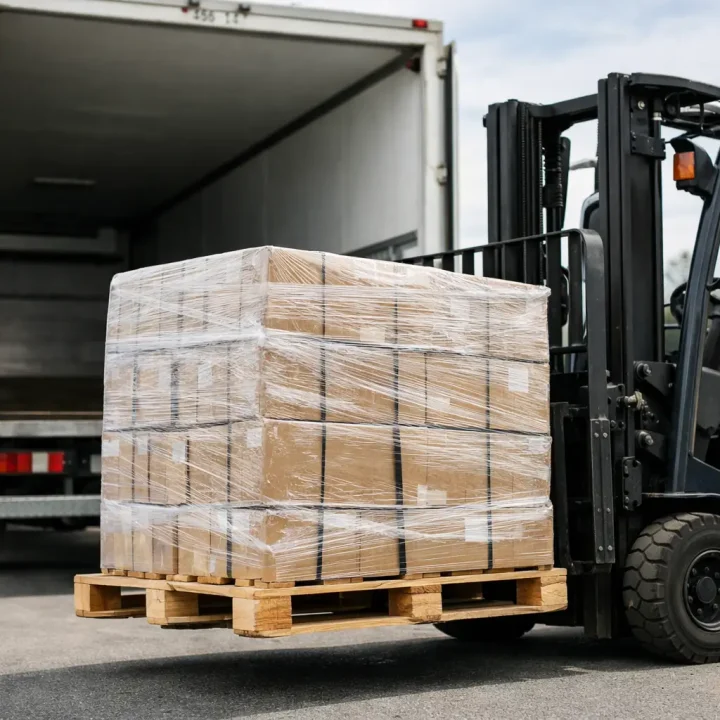
Palletisation also needs attention. Packages should be secured without covering mandatory labels or damaging cartons. Overhanging boxes, poor stretch wrapping and mixed pallets can create handling risks, particularly when cargo is transferred through several depots. For export freight, a sound pallet build protects both compliance and the commercial condition of the goods.
Documents that keep shipments moving
Dangerous goods documentation must match the cargo, packaging and mode of transport. Depending on the route, this may include a dangerous goods note or declaration, a transport document, container or vehicle packing certificate, safety data sheet and supporting approvals. Air shipments generally require a shipper’s declaration for dangerous goods when applicable.
Customs documents remain separate from dangerous goods rules, but they must be consistent. The commercial invoice, packing list, commodity description, tariff classification and declared value should accurately reflect the goods being exported or imported. A vague description such as “chemical items” is poor practice for customs and can also raise questions during safety checks.
For international shipments, allow enough time for document review before cargo reaches the airport, port or consolidation depot. A late correction may mean missing a sailing, an airline cut-off or a planned delivery slot. For time-critical freight, document readiness is often more valuable than paying for a faster service at the last minute.
Build the right transport plan
A dependable dangerous goods movement begins with a clear brief: what is being shipped, how often, where it is collected, where it is delivered and how quickly it must arrive. From there, the transport plan can balance safety, transit time and cost.
Road freight may suit UK and European deliveries where direct collection and delivery are required. Sea freight can reduce cost for non-urgent, heavier volumes. Air freight can support urgent replenishment or high-value cargo, provided the goods and packaging meet airline rules. Storage and temporary holding also need to be considered, as not every warehouse is approved or equipped to accept every class of dangerous goods.
Milky Way Logistics coordinates carrier selection, route planning, documentation checks, customs formalities and shipment monitoring for commercial dangerous goods movements. The aim is not to force cargo into a standard service, but to establish a workable plan before it reaches a carrier terminal.
Questions to resolve before requesting a rate
A useful quotation request includes the product’s UN number and proper shipping name, safety data sheet, package dimensions and weights, number of packages, collection and delivery postcodes, and the required delivery date. State whether the cargo is already packed and labelled for transport, and whether it will move by road, air or sea if that has been decided.
Also flag any special circumstances early: damaged batteries, temperature-sensitive products, waste, controlled goods, remote deliveries, tail-lift requirements or restricted collection times. These details affect carrier availability and price, but more importantly, they allow the movement to be planned safely rather than adjusted under pressure.
Request a tailored, no-obligation freight quotation with your shipment details before collection is booked. The right preparation gives you clearer costs, fewer avoidable delays and a safer route from dispatch to final delivery.