A container that leaves Shanghai, Ningbo or Dubai on the right vessel but arrives with incomplete paperwork can still become an expensive problem. For UK importers and exporters, sea freight shipping in the UK is not simply about securing space on a ship. It is about matching the service, route, equipment and customs process to the commercial reality of the shipment.
Sea freight remains one of the most cost-effective ways to move significant volumes internationally. It suits regular stock replenishment, machinery, retail goods, raw materials and non-urgent commercial cargo. The key is to plan early enough to manage transit time, port handling and final delivery without creating avoidable storage, demurrage or disruption costs.
When sea freight is the right commercial choice
Sea freight is usually the strongest option when freight cost matters more than speed and the shipment is too large or heavy for air freight to be commercially sensible. A full container can carry a substantial quantity of palletised goods, while less-than-container-load services allow smaller consignments to share container space with compatible cargo.
It is not always the cheapest choice in total. A low ocean freight rate can be outweighed by local charges, customs delays, port storage or poorly planned onward transport. The right comparison should look at the full door-to-door cost, expected delivery window and operational risk, rather than the headline shipping price alone.
For urgent production components or high-value stock needed within days, air freight may be more appropriate. For regular containerised shipments, however, sea freight can offer better cost control and predictable capacity when booked with realistic lead times.
Sea freight shipping UK: FCL or LCL?
The main decision is whether to book a full container load, known as FCL, or use less-than-container-load shipping, known as LCL.
Full container load (FCL)
FCL means the container is reserved for one shipper’s cargo. It does not need to be filled completely, although it is normally most economical when the volume is large enough to justify the container cost. Common equipment includes 20ft and 40ft dry containers, 40ft high-cube containers, refrigerated units and specialist equipment for oversized or heavy cargo.
FCL gives greater control over loading, packing and container security. It can also reduce handling because the goods are loaded once at origin and unloaded after arrival or at the final destination. For businesses importing regular stock, FCL often provides a clearer cost structure and a more reliable planning basis than repeated smaller consignments.
Less-than-container-load (LCL)
LCL allows several shippers’ goods to travel in one container. Charges are generally based on the shipment’s volume or weight, usually whichever produces the higher freight calculation. It is useful for businesses testing a new supplier, moving limited quantities of stock or importing goods that do not justify a dedicated container.
The trade-off is extra handling. Cargo is consolidated at origin, loaded with other freight, unpacked at destination and then released for delivery. This can add time and introduces more handling points than FCL. Good packing, accurate measurements and strong documentation are especially important for LCL shipments.
There is no universal break point at which FCL becomes cheaper than LCL. It depends on the origin, destination, equipment availability, local charges and shipment dimensions. A detailed quotation should compare both options where the volume is close to the threshold.
Build the timetable around the whole journey
A sailing schedule is only one part of a sea freight movement. Collection from the supplier, export customs, container loading, terminal cut-off, vessel departure, transhipment, arrival, UK import clearance and final delivery all need to be considered.
Port-to-port transit from Asia to the UK can commonly take several weeks, with timings varying by origin port, carrier service and whether the cargo moves directly or via a hub. European short-sea routes are faster, but bookings, terminal cut-offs and customs formalities still require planning. Seasonal demand, adverse weather, port congestion, blank sailings and equipment shortages can all affect schedules.
Importers should work backwards from the date stock is required at their warehouse or customer location. Allow time for production completion, export packing, collection and the likely arrival-to-delivery period. If the goods are needed for a fixed retail launch or manufacturing run, build contingency into the plan rather than relying on the earliest estimated arrival date.
Documents and customs must be ready before arrival
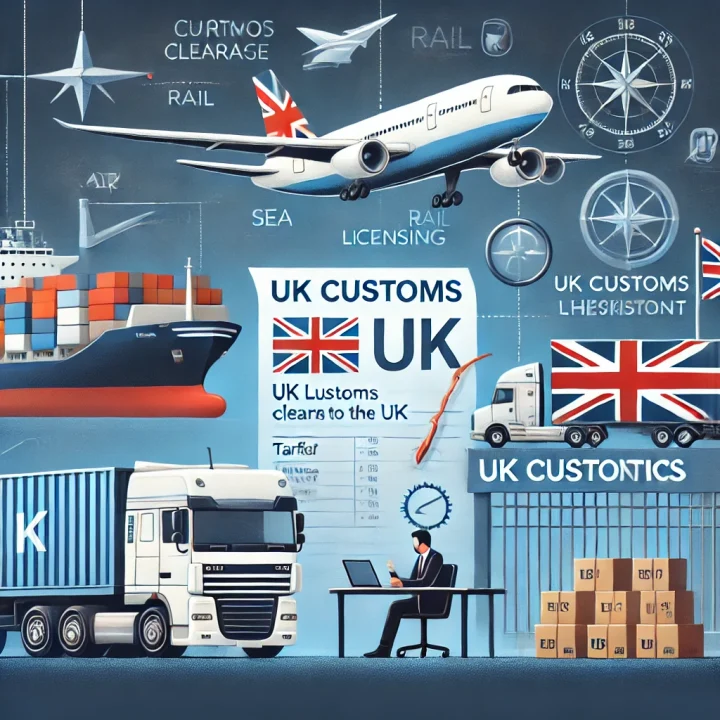
Customs clearance is a core part of shipping goods into or out of the UK. Delays often arise because the shipment details on commercial documents do not match the customs declaration, or because the importer has not confirmed the correct commodity code, customs value or Incoterm.
For most commercial sea freight shipments, the essential documents include a commercial invoice, packing list and transport document such as a bill of lading or sea waybill. Depending on the goods and route, further evidence may be needed, including a Certificate of Origin, licences, preference documents or product-specific compliance records.
The commercial invoice should clearly show the seller and buyer, accurate goods description, quantity, unit and total value, currency, agreed Incoterm and country of origin where applicable. Descriptions such as “parts” or “samples” are rarely sufficient. Customs authorities need a clear explanation of what the goods are, what they are made of and their intended use.
Correct HS code classification affects duty rates, import controls and reporting requirements. Duty and import VAT must also be planned as part of the landed cost. A low product purchase price does not necessarily mean a low-cost import once freight, insurance, customs duty, VAT, port charges and delivery are included.
Protect cargo before it reaches the port
Container shipping exposes goods to movement, vibration, moisture and multiple handling stages. The container is strong, but it cannot compensate for poor internal packing. Cartons should be suitable for stacking, pallets should be stable and correctly wrapped, and cargo must be secured to prevent shifting during transit.
For sensitive cargo, consider desiccants, moisture barriers, export-grade crating or specialist packing. Machinery, fragile goods, electronics and unusually shaped items may require tailored protection and loading plans. Dangerous goods need correct classification, packing, marks, labels and declarations before they can be accepted by the carrier.
Cargo insurance should also be considered early. Carrier liability is limited and may not reflect the full value of the goods. Insurance guidance can help businesses assess whether cover is appropriate for the goods, route and agreed sales terms.
Control the costs that are not on the ocean freight rate
A reliable sea freight quotation should identify more than the basic freight charge. Depending on the route and service, costs may include origin handling, documentation, export clearance, terminal charges, destination handling, customs clearance, duty and VAT, delivery, equipment detention and storage.
Demurrage and detention deserve particular attention. Demurrage can arise when a container remains at the port or terminal beyond the permitted free time. Detention can apply when the container is held outside the terminal for too long before being returned. Both can accumulate quickly if clearance, collection or warehouse unloading is not properly coordinated.
Before booking, confirm whether the service is port-to-port, door-to-port or door-to-door. A door-to-door movement can simplify responsibility and scheduling, particularly where collection, customs clearance, temporary storage and final-mile delivery need to work together. Port-to-port may suit experienced shippers with their own arrangements at both ends, but it leaves more operational tasks with the buyer or seller.
A practical booking process for importers and exporters
Start with accurate cargo information. Provide the collection point, delivery address, commodity, number of packages, dimensions, gross weight, cargo value and ready date. If using FCL, state whether the supplier can load the container and whether a loading appointment or special equipment is required.
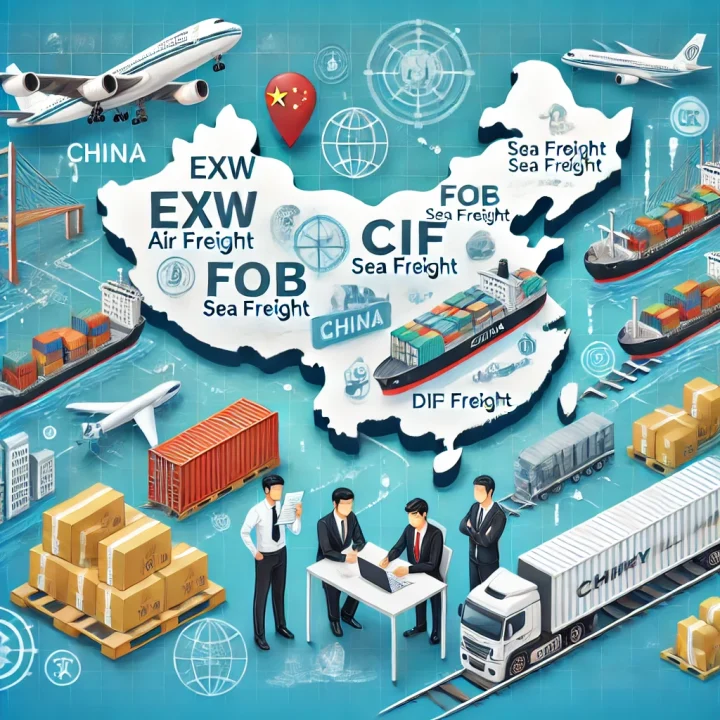
Next, establish the agreed Incoterm. This determines which party is responsible for transport stages, costs and risk. It should be agreed before shipment, not interpreted after a delay occurs. For imports, make sure the UK importer of record, EORI details and customs payment arrangements are confirmed well before the vessel arrives.
Then choose the route and service based on the delivery requirement. The lowest rate may involve additional transhipments or a less convenient port, while a slightly higher-cost service may reduce onward haulage or provide a more workable arrival window. Clear shipment updates allow purchasing and warehouse teams to prepare for arrival rather than reacting at the last minute.
Milky Way Logistics coordinates FCL, LCL, consolidation, customs formalities, storage and final delivery as part of tailored sea freight movements. A dedicated point of contact can bring the carrier booking, documentation checks and delivery plan into one managed process.
A well-planned shipment does more than get goods across the water. It gives your business a realistic delivery date, a known landed cost and enough control to keep customers, production teams and warehouses moving. Request a tailored, no-obligation freight quotation with the cargo details and target delivery date, then assess the route on the figures that matter to your operation.