A delayed container, an incorrect customs declaration or a missed collection slot can quickly turn a profitable order into an expensive problem. International freight forwarders UK businesses appoint should do far more than book transport: they should coordinate the route, documents, carriers, customs requirements and final delivery around the needs of the consignment.
For importers and exporters, the right partner brings control to a process involving multiple countries, handovers and deadlines. The wrong one can leave your team chasing updates, resolving avoidable charges or trying to understand why goods are held at the border. Selecting a forwarder is therefore a commercial decision, not simply a comparison of freight rates.
What international freight forwarders in the UK actually manage
A freight forwarder acts as the operational coordinator for your shipment. Depending on the service required, this can start with collection from a supplier or warehouse and continue through carrier booking, export formalities, international transport, destination clearance, storage and delivery to the final consignee.
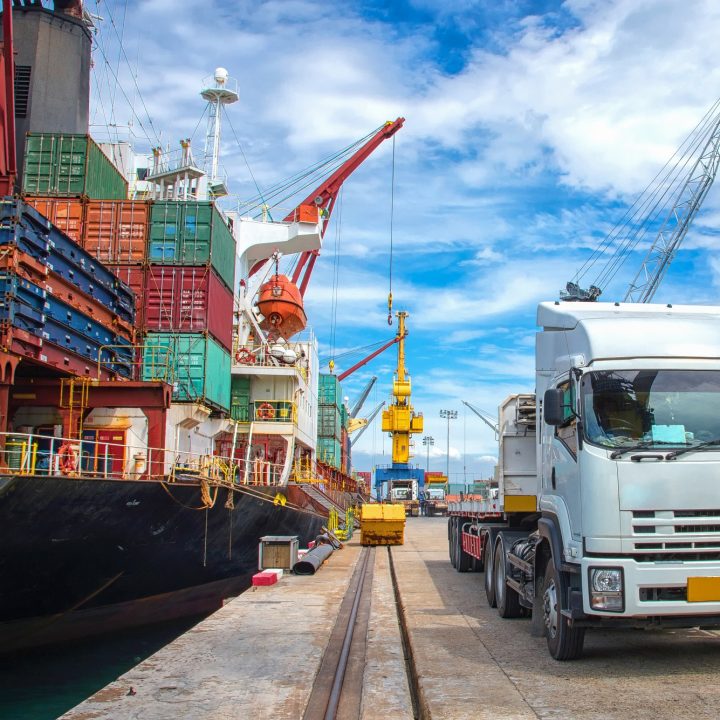
The scope matters because most shipments are not moved by one vehicle, one carrier or one document alone. A pallet travelling from a UK warehouse to a customer in Europe may need road haulage, customs declarations, transit documentation and a delivery booking. A container from China may involve supplier collection, port handling, sea freight, UK import clearance, temporary storage and final-mile distribution.
A capable forwarder plans these stages as one movement. This reduces gaps between parties and gives your business a clear point of contact when a schedule changes, documents need correction or a consignee requests a revised delivery date.
Start with the shipment, not the cheapest quote
Freight quotations can look similar while covering very different services. Before approaching international freight forwarders, define what you are moving, where it is going, how quickly it must arrive and which party is responsible for each stage.
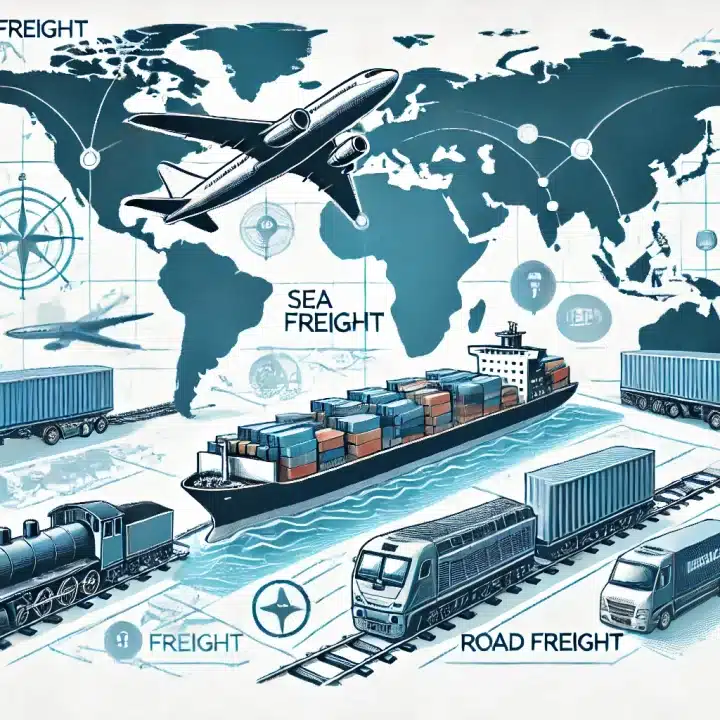
The transport mode should follow the commercial requirement. Air freight is suited to urgent, high-value or time-sensitive goods where speed justifies a higher cost. Sea freight is often the most economical choice for heavier volumes and longer lead times, with FCL suitable for full containers and LCL or groupage providing an option for smaller consignments. European road haulage can offer practical door-to-door movement for pallets, part loads and full loads. Rail and multimodal solutions may provide a useful balance of transit time, cost and capacity on certain trade lanes.
It also depends on the cargo. Machinery, electronics, fragile products, dangerous goods and oversized items each require different handling, packing and carrier arrangements. A standard rate is of limited value if it does not account for crating, palletisation, loading restrictions, dangerous goods declarations or suitable cargo insurance guidance.
Look beyond the headline freight rate
A low transport price can become costly if expected charges are excluded or if the route is poorly planned. Ask whether the quotation clearly identifies collection, export handling, origin fees, international freight, customs clearance, duty and VAT coordination, destination handling, storage and final delivery.
For sea freight, it is especially useful to understand whether the figure covers port-to-port transport only or includes door delivery. LCL shipments can be attractive for smaller volumes, but local handling and destination charges must be understood before booking. For air freight, check whether the rate is based on actual or volumetric weight, as bulky but light goods are commonly charged on volume.
The goal is not always the lowest figure. It is the most reliable total landed cost for the service level you need. A forwarder should explain the assumptions behind the quote, flag potential variable charges and offer practical alternatives where timing or budget can be adjusted.
Customs support is part of freight control
Since UK trade rules changed, customs is no longer an administrative afterthought for many businesses. Incorrect commodity codes, incomplete commercial invoices or unclear Incoterms can delay a shipment, create unexpected duty exposure or lead to additional examinations and storage costs.
A good forwarding partner should be able to check the documents before goods move and coordinate the customs process with confidence. That includes import and export declarations, HS-code and commodity guidance, duty and VAT coordination, transit procedures, Certificates of Origin where required, and checks on commercial invoices and packing lists.
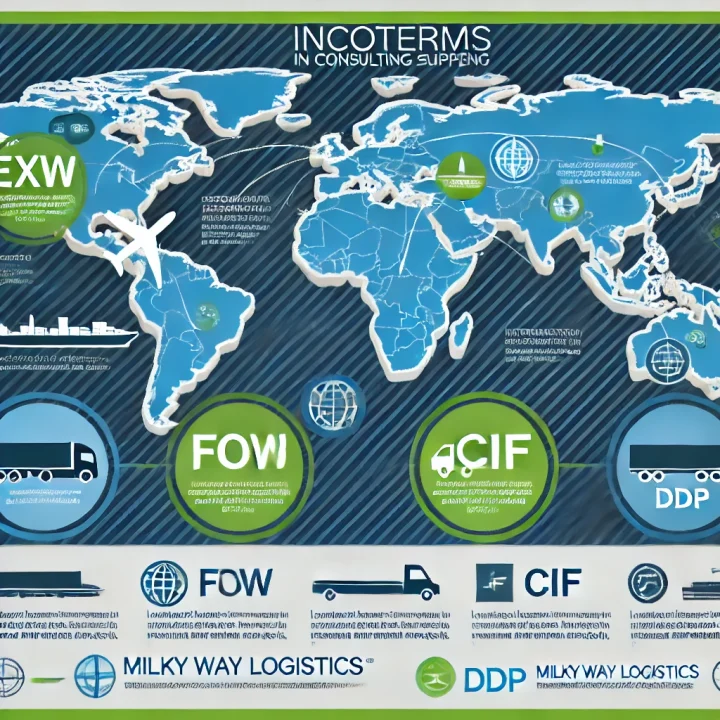
Incoterms deserve particular attention. They determine which party is responsible for costs, transport risks and customs steps at different points in the journey. For example, arranging a door-to-door movement does not automatically mean the forwarder or seller is responsible for every duty, tax or clearance obligation. The agreed Incoterm and the importer of record must be clear before the shipment is collected.
Questions to ask before appointing a forwarder
The most useful conversations are specific. Rather than asking whether a company can ship to a country, ask how it would manage your particular goods, route and delivery requirement. These questions will help establish whether the service is genuinely suitable:
- Which transport mode and route would you recommend, and why?
- Is the quote port-to-port, door-to-port or door-to-door?
- Which costs are fixed, and which may change because of weight, volume, inspections, storage or carrier surcharges?
- Who will manage the export and import customs formalities?
- What documents do you need from us before collection?
- How will shipment updates be provided, and who is our day-to-day contact?
- Can you handle our cargo type, including dangerous, fragile, high-value or oversized goods?
Clear answers are a positive sign. Freight involves variables, so no responsible provider should promise that every charge or transit event is entirely within its control. They should, however, identify foreseeable risks, explain the options and act promptly when circumstances change.
Choose the right service level for your supply chain
Not every consignment needs full end-to-end management. An experienced importer may only require a carrier booking and UK customs clearance, while a first-time exporter may need support from packing advice through to delivery overseas. Both are valid requirements, provided the responsibilities are agreed at the outset.
For regular movements, an integrated service can reduce administration. Collection, warehousing, consolidation, carrier booking, documents, customs clearance and delivery monitoring can be coordinated under one plan. This is particularly valuable for businesses importing stock from multiple suppliers, distributing goods to several destinations or managing seasonal demand.
For occasional shipments, flexibility matters more. You may need an urgent courier for samples, a dedicated vehicle for a time-critical European load, or a part-container shipment for a trial order. A forwarder with access to air, sea, road, rail and multimodal options can recommend a solution based on the cargo rather than forcing every movement into one transport model.
Visibility and communication protect your customer service
Your customers may not see the freight process, but they notice late stock, missed delivery appointments and uncertain arrival dates. Shipment visibility therefore has a direct effect on sales, production planning and customer confidence.
Look for a forwarder that provides clear milestones and responds when you need an answer. Useful updates include collection confirmation, departure, arrival, customs status, delivery scheduling and any exception that may affect the plan. A dedicated contact who understands your shipment is often more valuable than a generic update sent after the issue has already affected the delivery date.
Milky Way Logistics coordinates commercial freight movements with practical route planning, customs and documentation support, carrier management and clear shipment updates. This gives UK businesses a single operational contact across international transport, whether the requirement is a one-off urgent movement or an ongoing supply-chain programme.
Build a relationship that improves with each shipment
The best forwarding arrangements become more efficient over time. Once your forwarder understands your products, suppliers, preferred routes, document formats and delivery requirements, it can identify ways to avoid repeat delays and control costs. That may mean consolidating supplier collections, changing a regular shipment from air to sea, using a more suitable Incoterm or planning stock arrivals around peak-season capacity.
Before booking, provide accurate weights, dimensions, cargo descriptions, collection details and delivery deadlines. If you have a commercial invoice, packing list, previous shipping documents or product specifications, share them early. Better information leads to a more accurate quote and fewer last-minute decisions.
A tailored, no-obligation freight quotation should give you a practical starting point: the recommended route, service scope, key assumptions and the information needed to move with confidence. The strongest freight partner is not simply the one that can transport your goods, but the one that helps you make each shipment easier to plan, clearer to cost and more dependable for the customer waiting at the other end.