A consignment can leave a UK factory on time and still miss its delivery window because the booking, commodity code, packing specification or destination clearance was not managed properly. Freight forwarding brings those moving parts together. For importers and exporters, it is the practical coordination of transport, documentation, customs and delivery that turns a shipment plan into goods arriving where they need to be.
For businesses moving pallets, containers, machinery, consumer products or time-critical stock, the value is not simply access to a carrier. It is having a responsible logistics coordinator who can assess the shipment, select the right route and mode, prepare the required paperwork, monitor progress and respond quickly when conditions change.
What freight forwarding involves
A freight forwarder manages the movement of goods on a customer’s behalf. This can cover one part of a journey, such as arranging an LCL sea freight shipment from China to the UK, or the entire process from collection at origin to final delivery.
The work commonly begins with the practical details: collection address, delivery address, cargo dimensions and weight, value, packing, commodity, required transit time and any handling restrictions. From there, the forwarder can obtain carrier rates, plan the route, arrange collection and identify the documents and customs procedures needed for the shipment.
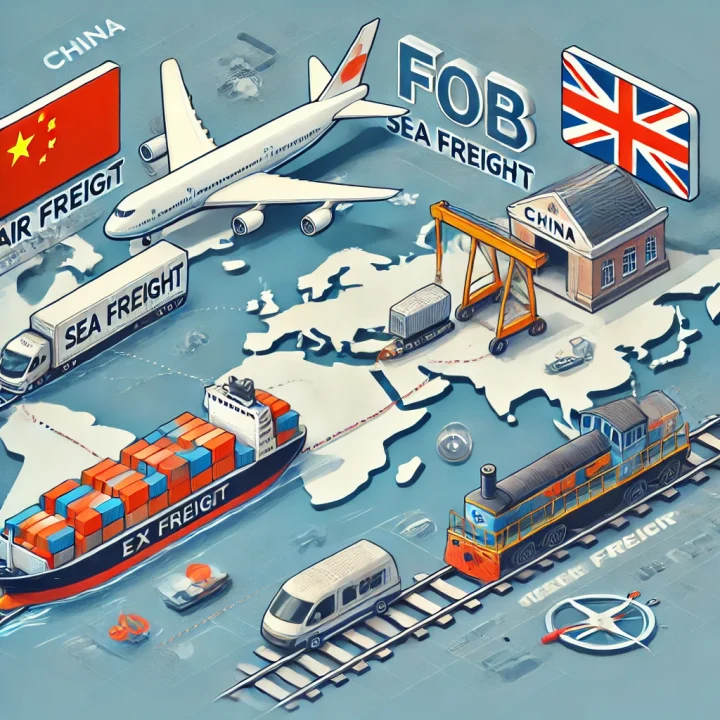
A properly managed movement may include air freight, FCL or LCL sea freight, European road haulage, rail freight, courier services or a multimodal combination. It can also involve warehousing, temporary storage, palletisation, export declarations, import clearance, cargo insurance guidance and final-mile delivery.
The scope should be clear from the outset. Port-to-port shipping may suit an experienced importer with arrangements at both ends. Door-to-door freight management is often a better fit when a business needs one point of contact for collection, carrier booking, customs formalities and delivery.
Why freight forwarding matters to commercial shipments
International transport is rarely a simple choice between the cheapest and fastest carrier. A lower freight rate can become expensive if it excludes local charges, requires unsuitable packaging, creates storage costs or leaves the importer unprepared for customs clearance. Equally, a faster service may not be worthwhile for replenishment stock with a flexible delivery date.
Freight forwarding helps businesses make those trade-offs with the full journey in view. The aim is to balance transit time, landed cost, reliability, cargo security and operational risk.
For example, air freight is often appropriate for urgent components, high-value electronics or stock required for a fixed launch date. It offers speed, but costs more per kilogram and may be affected by airline capacity or dimensional weight rules. Sea freight is usually more economical for larger or less urgent consignments. A full container load gives control over the container, while LCL consolidation can reduce costs for smaller volumes, though it usually involves more handling and longer consolidation times.
Road haulage can be the most direct option for UK and European movements, particularly for pallets, part loads and full loads. Rail freight may support cost and carbon objectives on some long-distance routes. The right answer depends on the cargo, route, deadline and the consequences of delay.
The key stages of a managed shipment
Route planning and carrier selection
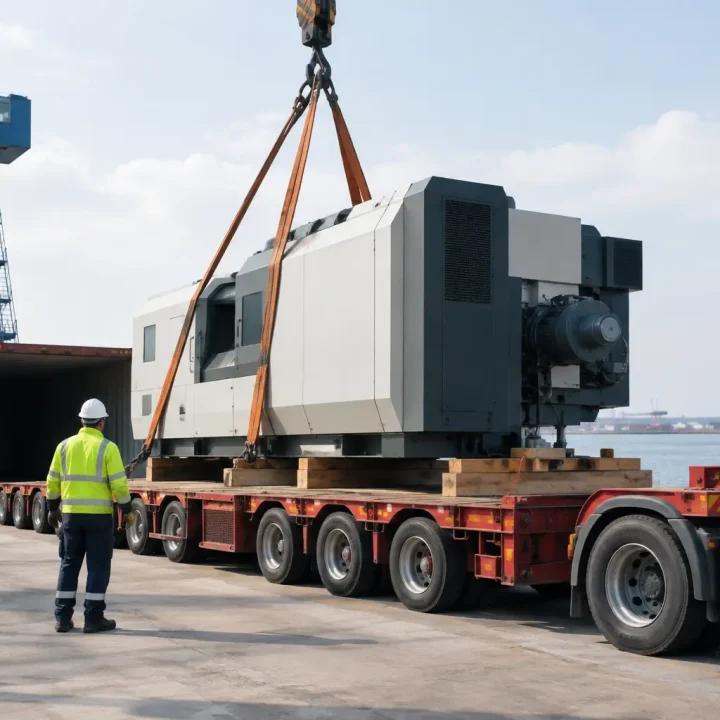
The first decision is not always the transport mode. It is understanding what the goods require. Dangerous goods, fragile equipment, oversized machinery and temperature-sensitive products all need specific planning. Packaging, vehicle type, carrier acceptance, port capability and insurance requirements may influence the route as much as transit time does.
A forwarder compares available options and presents a workable recommendation. This should include realistic timings, known charges, collection arrangements and any restrictions that could affect the movement. Clear quotations matter because freight costs can include origin handling, export procedures, main carriage, destination handling, customs clearance and delivery – not just the carrier’s headline rate.
Documentation and customs preparation
Many avoidable delays begin with incomplete or inconsistent paperwork. Commercial invoices, packing lists, transport documents and export declarations need to match the goods actually being shipped. Descriptions should be specific enough to support classification and customs processing, while values and Incoterms must reflect the commercial arrangement.
HS codes are especially significant. They influence duty rates, VAT treatment, licensing requirements and possible restrictions. A commodity code should not be guessed from a vague product description. Where goods are regulated, such as certain electronics, chemicals, food products or controlled items, additional approvals or certificates may be required.
For UK imports and exports, customs clearance also depends on knowing who is acting as importer or exporter of record, which procedure applies and whether duty and VAT have been accounted for correctly. Transit movements, temporary imports, returned goods and vehicle movements can introduce further requirements. Preparing these points before departure is far easier than resolving them when cargo is held at a port or airport.
Collection, handling and onward movement
Once booked, the shipment still needs to be physically ready. Cargo may require crating, palletisation, labels, export-standard packaging or secured loading. Incorrectly declared dimensions or poorly protected goods can lead to recharges, carrier refusal or damage in transit.
Collection timing should also account for warehouse opening hours, loading equipment and whether the goods can be safely handled by a tail-lift vehicle, forklift or specialist machinery. For sea freight, container loading and verified gross mass requirements may need attention. For air freight, security screening and cut-off times are critical.
Monitoring and exception management
Shipment visibility is useful only when it leads to action. A dependable forwarder monitors key milestones, communicates meaningful updates and investigates exceptions rather than simply forwarding a carrier message.
Weather disruption, port congestion, missed connections, customs queries and capacity constraints cannot always be prevented. What matters is early identification and a practical response. That might mean arranging storage, rebooking a service, providing missing documents, changing the delivery plan or advising the customer of a realistic revised arrival date.
Choosing the right freight forwarding partner
Businesses should look beyond a low quote. A capable freight partner asks the questions that protect the shipment: What are the cargo dimensions? Is the delivery deadline fixed? Who will clear customs? Are the goods dangerous, high-value or unusually shaped? Does the consignee have the equipment to unload them?
Experience across multiple modes is valuable because it avoids forcing every shipment into the same service. A business importing regular container volumes may need flexible FCL and LCL sea freight, while its urgent replacement parts require quick and reliable air freight. A European customer delivery may need road haulage, and a complex movement may combine road, rail and sea.
Communication is equally important. A dedicated contact who understands the shipment can resolve issues faster than a generic booking channel. Customers should expect transparent pricing, clear explanations of responsibilities, sensible advice on Incoterms and regular updates without having to chase for basic information.
Milky Way Logistics coordinates these elements for commercial customers moving goods across the UK, Europe and worldwide, from individual services to complete door-to-door freight management.
Information to provide when requesting a freight quote
A useful freight quotation starts with accurate information. Provide the collection and delivery postcodes, cargo type, number of packages, dimensions, gross weight, cargo value and readiness date. State whether the goods are stackable, fragile, hazardous, oversized or temperature-sensitive.
For international shipments, include the country of origin, commodity description, likely HS code where known, Incoterms and whether customs clearance is required. If timing is critical, explain why. A firm delivery deadline may justify a premium service, while a flexible date can open up more cost-effective consolidation or sailing options.
This level of detail allows a forwarder to quote the correct service rather than revise the price later because the shipment was larger, more complex or more regulated than first described.
Better freight decisions start before booking
Freight forwarding works best when it is involved before goods are packed or purchase orders are finalised. Early planning gives businesses more carrier options, time to validate customs requirements and a better chance of avoiding premium last-minute transport.
The practical next step is to set out the cargo, route, deadline and commercial priorities, then request a tailored, no-obligation freight quotation. The right plan will not always be the fastest or cheapest option. It will be the one that gets your goods delivered reliably, compliantly and with costs you can control.