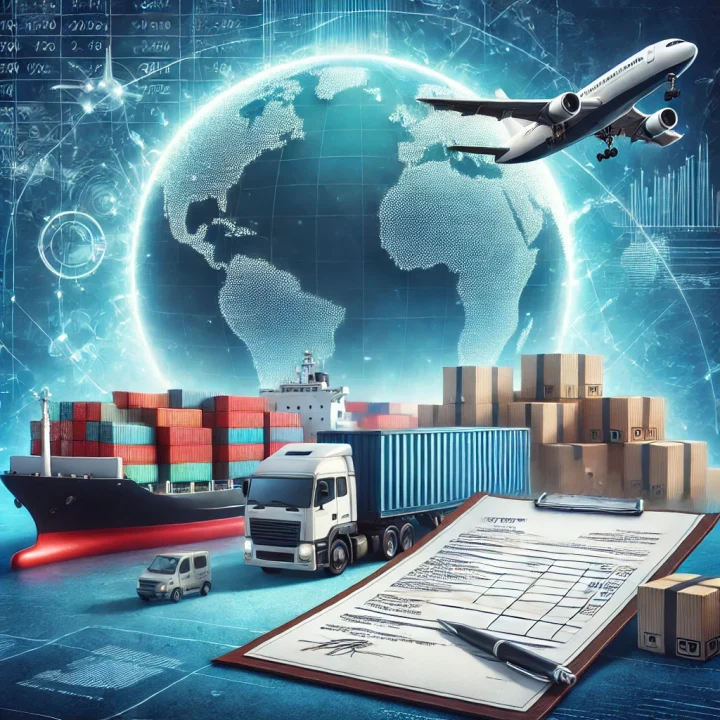
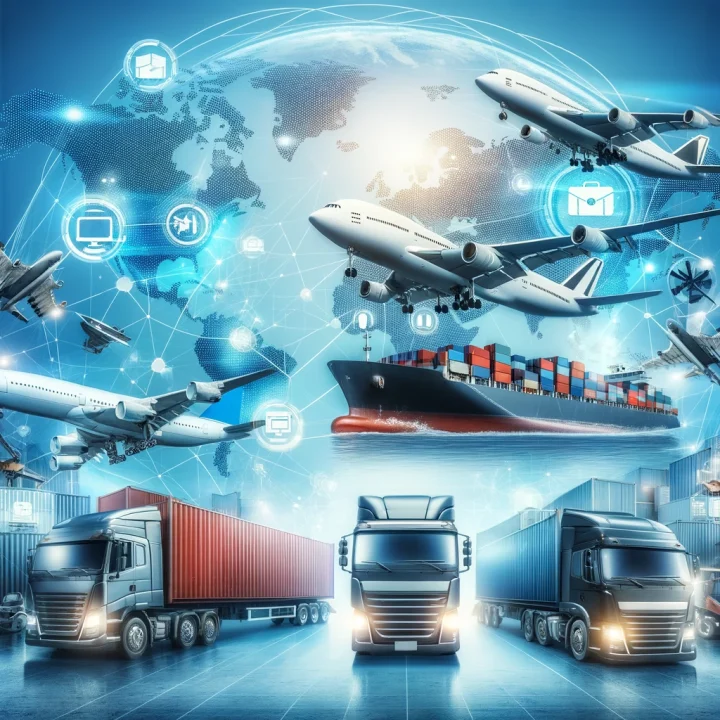
A freight forwarder does far more than book space on an aircraft or container vessel. For a UK business moving goods across borders, the right partner coordinates the route, carrier, documents, customs formalities and final delivery around the real requirements of the shipment. That can mean protecting a production deadline, avoiding avoidable storage charges or ensuring a consignment is cleared correctly before it reaches its destination.
The value is not simply in moving cargo from A to B. It is in having one accountable logistics coordinator who can turn a complex international movement into a managed commercial process.
What a freight forwarder manages
A freight forwarder arranges the movement of goods on behalf of an importer, exporter or cargo owner. Depending on the service required, this may start with collection from a supplier, manufacturer or warehouse and finish with delivery to a consignee, distribution centre, retail site or project location.
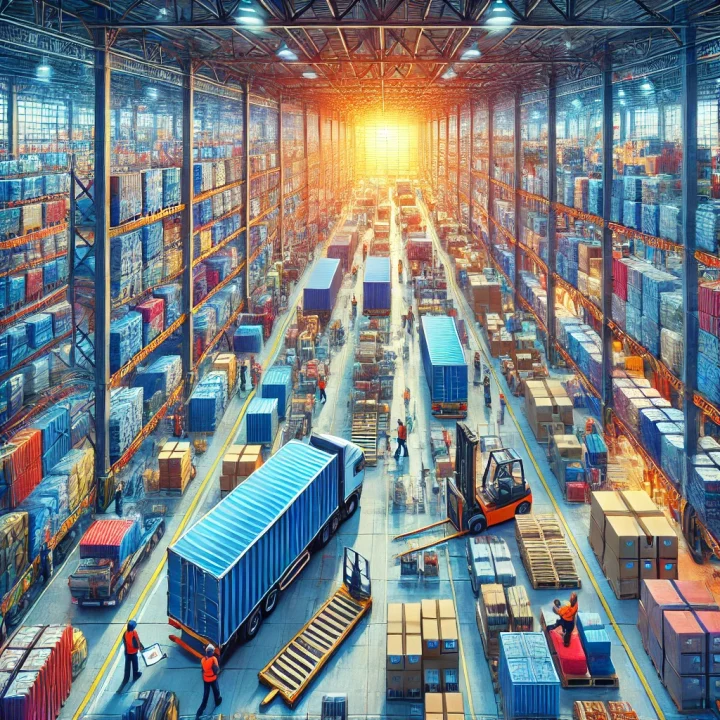
Between those points, there can be several moving parts. Cargo may need packing or crating, palletisation, temporary storage, export documentation, a customs declaration, carrier booking, transit paperwork, destination clearance and a final-mile delivery booking. Where a shipment travels by more than one mode, the forwarder plans the handovers and monitors progress across the route.
This is different from a carrier. An airline, shipping line, courier or haulier operates a particular transport service. A forwarder selects and coordinates suitable services, often through a network of carriers, customs agents and warehouses. That broader view matters when cost, timing, cargo type and customs requirements all need to be considered together.
Choosing the right freight mode
There is no single best transport method. The right choice depends on urgency, shipment size, budget, destination, cargo characteristics and the level of control needed over delivery timing.
Air freight for urgent and high-value cargo
Air freight is often the practical choice for time-critical goods, electronics, samples, spare parts and higher-value shipments where transit speed matters more than the lowest possible freight rate. It can also reduce the amount of stock held in the supply chain. However, air transport has tighter restrictions on dimensions, battery-powered products, dangerous goods and packing standards, so the booking must be checked carefully before collection.
Sea freight for planned international shipments
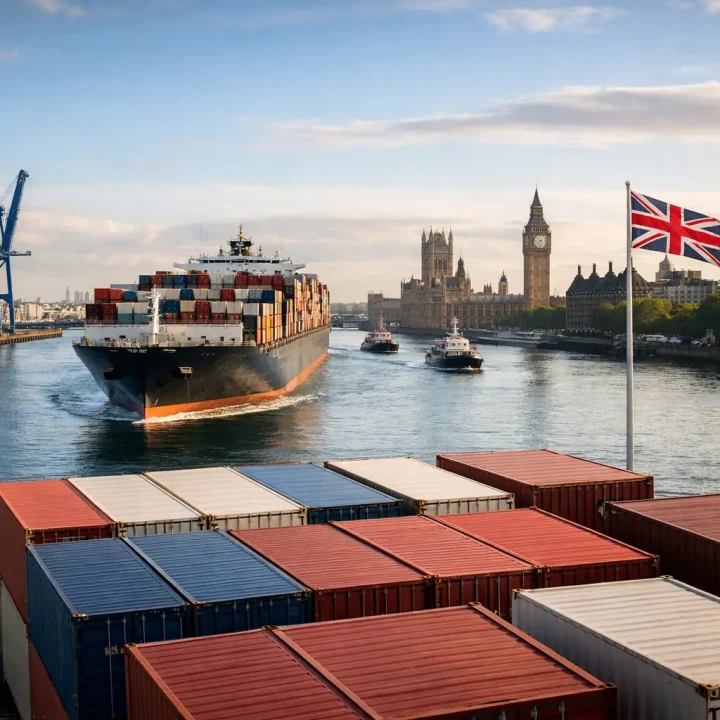
Sea freight is generally more economical for larger volumes and longer lead times. A full container load, or FCL, gives a shipper use of a dedicated container. Less than container load, or LCL, allows smaller consignments to share container space and costs with other cargo.
LCL can be an efficient option for regular smaller orders, but it involves consolidation and deconsolidation at warehouses, which can add handling and lead time. FCL can offer more control and less cargo handling, although it is not automatically the best value for every shipment. A forwarder should compare the full cost, including origin and destination charges, not just the ocean freight rate.
Road, rail and multimodal freight
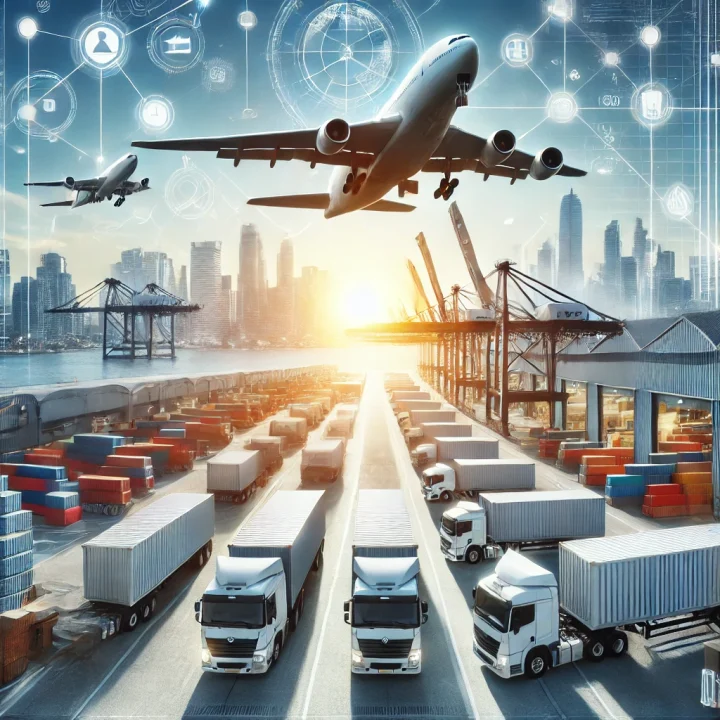
European road haulage is well suited to palletised freight, part loads, full loads and door-to-door movements where flexibility is required. Rail freight may support certain routes where capacity, cost or emissions considerations make it attractive. Multimodal transport combines modes, such as road and sea or rail and road, to balance speed, reliability and budget.
The practical question is not which mode sounds best. It is whether the chosen route supports the delivery date, cargo profile and Incoterms agreed with the buyer or supplier.
Customs clearance is part of the shipment, not an afterthought
A consignment can arrive at a port or airport on time and still be delayed if the customs entry, commodity details or supporting documents are inaccurate. Customs clearance with confidence starts before goods leave the origin country.
A forwarder can help check that commercial invoices and packing lists match the goods being moved, that quantities and values are correctly declared, and that the relevant commodity information is available. HS codes, country of origin, duty and VAT treatment, licences and controlled-goods requirements all affect how a shipment is processed.
For UK imports and exports, responsibility also depends on the agreed Incoterms. These rules determine which party arranges carriage, insurance, export formalities, import clearance and payment of duties or taxes. A business that accepts terms without understanding them can inherit unexpected costs or responsibilities.
No forwarder can remove every customs risk. Regulations vary by commodity and destination, and authorities may inspect cargo. But accurate information supplied early gives the shipment the strongest possible start and reduces the risk of preventable holds, amendments and storage charges.
Documentation protects the movement and the commercial transaction
Freight paperwork is often treated as administration until something goes wrong. In reality, it is the record that allows goods to travel, clear borders and be received correctly.
The documents required vary by route and cargo, but commonly include a commercial invoice, packing list, transport document, export declaration and, where needed, a Certificate of Origin or transit documentation. Dangerous goods, vehicles, machinery and certain regulated products can require additional declarations or certificates.
Accuracy matters at a detailed level. A vague cargo description, inconsistent package count or incorrect consignee address can cause delays that are disproportionate to the original error. A capable forwarder asks the right questions early, checks information against the proposed route and keeps documentation aligned with the physical shipment.
Where cost control really comes from
The lowest quoted freight rate is not always the lowest landed cost. International shipping can include collection, export handling, documentation, terminal charges, customs clearance, duties, taxes, destination handling, delivery and possible storage or demurrage costs. Some charges are fixed, while others depend on weight, volume, route, carrier capacity and how quickly cargo is collected or cleared.
Good freight planning focuses on the total movement. Consolidating smaller orders may reduce transport costs, but waiting for consolidation can affect stock availability. Sending goods by air can cost more than sea freight, but may prevent a far more expensive production stoppage. Choosing a port-to-port service can lower the headline price, but requires the buyer to arrange clearance and onward delivery.
Clear quotations should identify what is included, where the service starts and ends, and which charges could change. This allows procurement and operations teams to compare like for like rather than making decisions on an incomplete rate.
What to provide when requesting a freight quotation
A forwarder can give a faster and more useful quotation when the shipment details are complete. At minimum, provide the collection and delivery locations, ready date, number of packages, dimensions, gross weight, cargo description and preferred service level.
It is also useful to state whether goods are stackable, fragile, high value, oversized, temperature-sensitive or classified as dangerous goods. For international movements, include the commercial value, origin of the goods, Incoterms and whether customs clearance is required. If delivery has a fixed appointment or deadline, say so at the outset rather than after the booking is made.
These details allow the route to be planned properly. They also help prevent a common problem: a quote based on estimated dimensions that changes once the cargo reaches the warehouse or terminal.
A freight forwarder should be accountable, not invisible
Shipment visibility is not just a tracking number. Commercial customers need prompt updates when a collection is confirmed, cargo has departed, a customs query is raised or delivery timing changes. They also need a clear point of contact who understands the shipment rather than a different team at every stage.
For occasional exporters, this support can make the first international movement less daunting. For established importers and supply-chain teams, it provides capacity and oversight when volumes increase, routes change or a shipment needs urgent intervention.
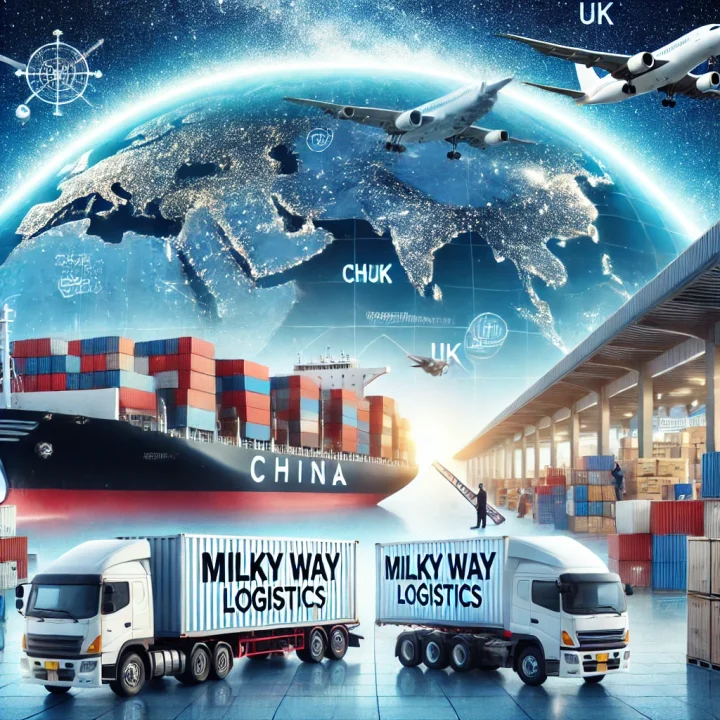
Milky Way Logistics coordinates air, sea, road, rail and multimodal freight alongside customs, warehousing and final delivery, giving businesses one practical point of control from collection through to arrival.
The most useful next step is to review your next shipment before it becomes urgent. With accurate cargo details, realistic timing and a tailored no-obligation freight quotation, you can choose a route that supports both the delivery commitment and the commercial outcome.