A shipment can be correctly packed, competitively priced and booked on the fastest available service, yet still be stopped before departure if export controls have not been addressed. This export controls guide explains the practical checks UK exporters should complete before goods, software or technical information move overseas. For commercial teams, the objective is clear: identify controlled activity early, secure any required licence and provide a clean audit trail for customs, carriers and regulators.
Export controls are separate from routine customs formalities. An export declaration, commodity code and commercial invoice remain essential, but none of them replaces a licence where one is required. The right process protects your business from delays, rejected bookings, penalties and the much more serious risk of sending controlled goods to an unauthorised destination or end user.
What export controls cover
UK export controls regulate the movement of certain military goods, dual-use goods, technology and software. Dual-use items are products with legitimate civil applications that may also have military, surveillance, security or weapons-related uses. This can include specialist electronics, sensors, encryption equipment, machine tools, chemicals, navigation systems and components used in advanced manufacturing.
The rules can apply to more than a physical consignment. Sending controlled technical drawings by email, giving remote access to controlled software, or carrying technical data overseas may require the same level of consideration as shipping a crate by air or sea. That is particularly relevant for manufacturers, engineering businesses and technology suppliers whose export is partly a transfer of knowledge.
Controls are not determined by a product name alone. A standard-looking component may be controlled because of its specifications, performance, material composition or intended use. Equally, an item that is not specifically listed can still create a compliance issue when the destination, customer or end use raises concerns.
Export controls guide: the checks before booking
The most efficient point to assess export controls is before a sales order becomes a transport instruction. Leaving the question until collection day can lead to storage charges, missed vessel cut-offs or an urgent air freight booking that cannot proceed.
Classify the goods accurately
Start with a detailed product description and technical specification. The customs commodity code and an export control classification are related but different. A commodity code supports customs declarations, duty treatment and trade statistics. Export control classification determines whether an item is listed under strategic control rules and whether a licence may be needed.
Ask the product manufacturer, technical team or supplier whether the item has an Export Control Classification Number, a military-list reference or previous licensing history. For goods developed in-house, engineering teams are often best placed to confirm capabilities and specifications. Keep the response on file rather than relying on an informal verbal answer.
If the position remains unclear, consider seeking formal classification advice or specialist legal and compliance guidance. This is sensible where the goods are high value, technically advanced, regularly exported or intended for sensitive markets.
Check the destination, customer and end use
A product may be freely exportable to one market but restricted in another. Sanctions, embargoes and country-specific restrictions can change, so this check should be current at the point of export rather than based on a previous shipment.
Screen the overseas buyer, consignee, end user, banks and other parties involved against relevant sanctions restrictions. A freight forwarder needs accurate party details, but the exporter remains responsible for understanding who will receive and use the goods. Do not assume that selling through a distributor removes that responsibility.
End-use checks matter where goods could contribute to military activity, weapons programmes, surveillance, internal repression or other prohibited applications. Warning signs may include vague answers about final use, unusual routing through a third country, a customer unwilling to identify the end user, or a request to alter the description or value on documents.
Where a concern arises, pause the shipment and investigate. Commercial pressure should not override a credible compliance risk.
Establish whether a licence is required
Once the goods, destination and transaction parties have been assessed, determine whether a licence is needed. In the UK, licences for strategic exports are generally administered through the Export Control Joint Unit. Depending on the goods and circumstances, an exporter may be able to use an applicable open general export licence, or may need to apply for a specific licence.
An open licence can be efficient for repeat exports, but only when every stated condition is met. It may require prior registration, defined record keeping, destination restrictions and regular internal checks. A specific licence is more likely where the transaction, customer, destination or goods require individual assessment.
A licence is not a shipping document to obtain after the cargo is on the quay. Approval times vary, and a licence may carry conditions affecting routing, quantity, consignee or end use. Build this lead time into the sales and delivery plan.
Match documents to the approved movement
Your commercial invoice, packing list, export declaration and transport booking should reflect the actual goods and parties involved. Where a licence applies, make sure its reference, validity period, quantities and conditions are checked against the consignment before departure.
Descriptions should be clear enough for customs and carriers to understand what is being shipped without being misleadingly broad. “Electronic parts” is rarely sufficient for sensitive goods. Include part numbers, model references, quantities, country of origin where relevant, and a precise commercial description.
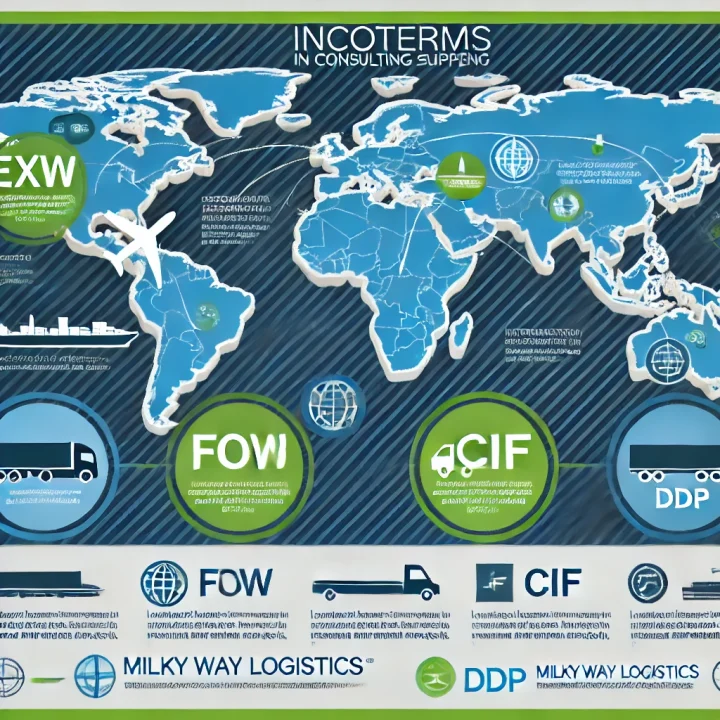
Incoterms also need care. They allocate practical costs and responsibilities between buyer and seller, but they do not remove an exporter’s regulatory duties. A contract stating that the buyer arranges freight does not automatically make the export control issue disappear.
Build export control checks into daily operations
Reliable compliance is usually the result of a repeatable process, not a last-minute review by one person. Sales teams should know when to refer a new enquiry. Procurement teams should retain technical information from suppliers. Operations teams should not release a booking until the required control status is confirmed.
A workable internal process records four points for every potentially sensitive export:
- the product classification and technical evidence;
- the destination and sanctions screening result;
- the declared end use and end user information; and
- the licence decision, reference and any conditions.
Keep records in an accessible place and align them with order references, invoices and shipment files. If a regulator, customs authority, carrier or insurer asks questions later, a clear file is considerably easier to defend than fragmented emails across several departments.
Training should be proportionate to the business. A retailer shipping ordinary consumer products faces a different risk profile from an engineering firm exporting controlled machinery or encrypted equipment. However, any employee who approves customers, prepares documents or arranges overseas delivery should know how to spot and escalate unusual requests.
How freight planning supports compliance
Export controls influence transport choices as well as documentation. Air freight can be the right option for time-critical cargo, but security checks and airline acceptance procedures can expose missing information quickly. Sea freight may allow more time for planning, yet container cut-offs and port procedures mean compliance questions still need resolving well before departure.
Routing can also matter. A shipment moving through a transit country may encounter additional restrictions, while a change of consignee or final destination can invalidate the assumptions behind the original assessment. For high-value, dangerous, oversized or sensitive goods, transport planning should bring together the control position, packing requirements, carrier capability and destination clearance requirements from the start.
A capable freight coordinator can check that shipping instructions, customs data and supporting documents are consistent, flag missing information and plan a route suited to the cargo. That support is valuable, but it works best when the exporter shares complete product, customer and licence details early.
When to seek further advice
Treat an export as higher risk when goods have advanced technical functions, the end user is not transparent, the destination is subject to restrictions, or the buyer requests unusual documentation or routing. The same applies to repairs, returns, samples, temporary exports, replacement parts and goods sent free of charge. “No commercial value” does not necessarily mean “no export control requirement”.
For complex transactions, obtain specialist export control advice before making contractual commitments. If you are unsure whether a licence applies, do not guess or rely solely on a previous shipment. Products evolve, destinations change and regulations can be updated.
Milky Way Logistics can coordinate export documentation, customs declarations and international freight planning around your confirmed compliance requirements. Share the goods details, destination, timing and any licence information when requesting a tailored, no-obligation freight quotation. Early preparation gives your shipment the best chance of moving on schedule, with the right evidence in place at every stage.