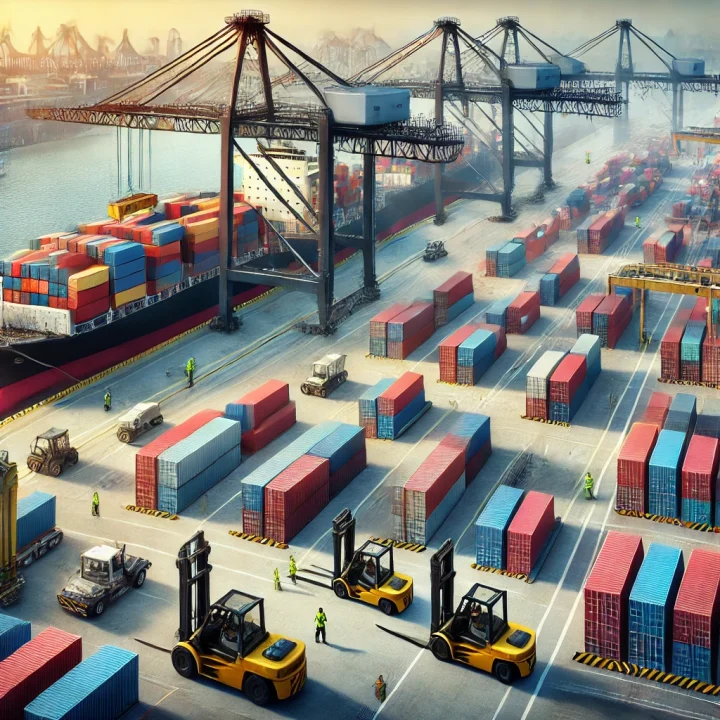
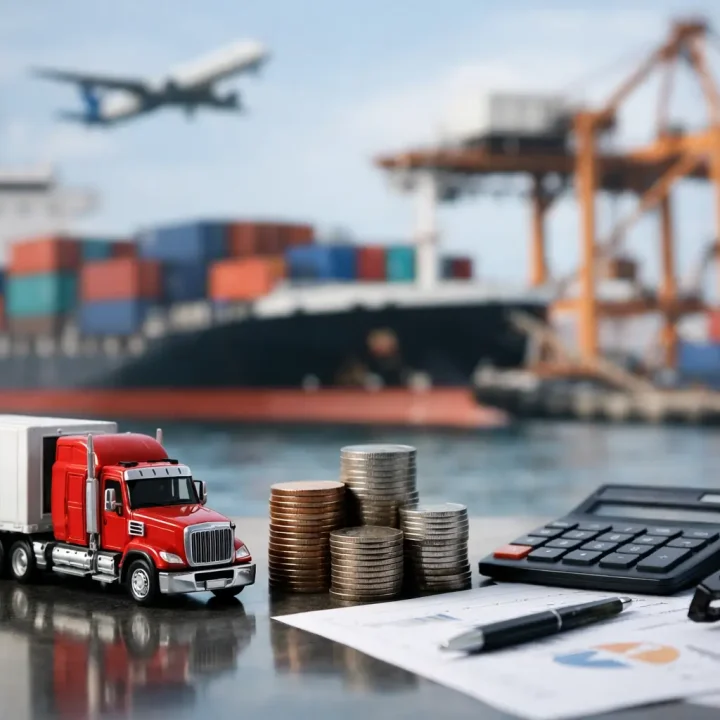
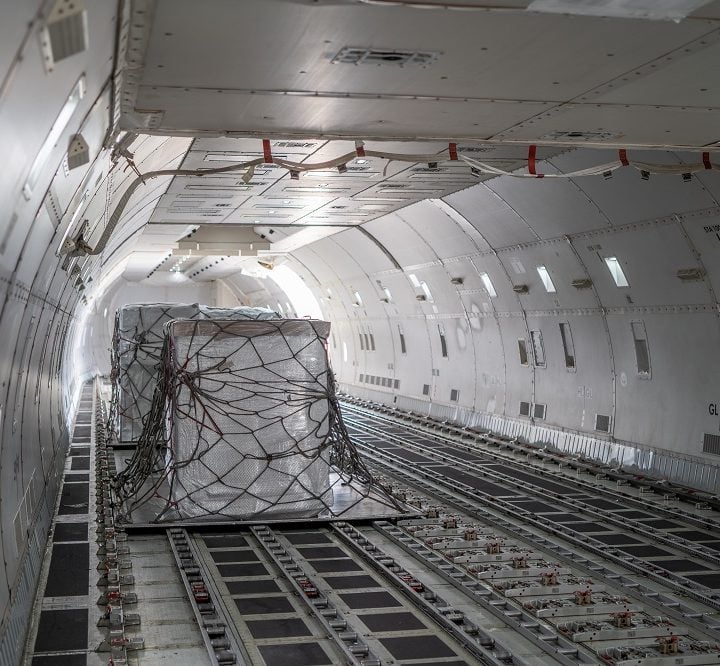
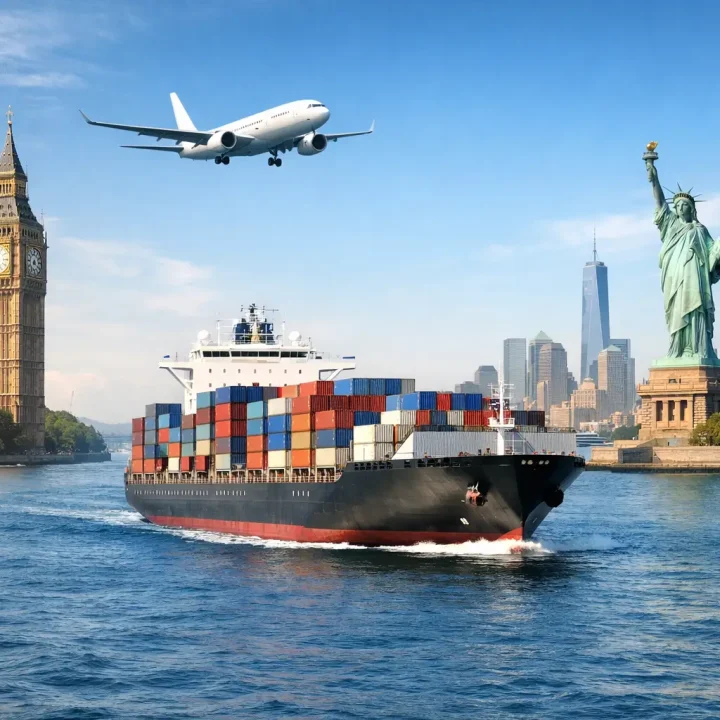
A container leaving a Chinese factory does not have to face the choice between expensive air freight and a long sea crossing. Fast shipping from China by rail can give UK importers a useful middle option: materially quicker than ocean freight, usually more economical than air, and well suited to planned commercial consignments.
For businesses replenishing stock, supplying production lines or moving higher-value goods on a fixed schedule, rail can reduce transit time without placing the whole transport budget under pressure. However, rail is not automatically the fastest or lowest-cost answer. The right decision depends on cargo volume, collection point, destination, customs requirements and the level of delivery certainty your operation needs.
How fast shipping from China by rail works
China-Europe rail freight typically moves from an inland Chinese rail terminal to a European terminal through Central Asia and onward into Europe. Cargo is then transferred to road transport for final delivery in the UK, or delivered to a European distribution point where required.
A door-to-door rail movement from China to the UK commonly takes around 16 to 25 days. This is a planning range, not a promise. Terminal congestion, border procedures, rail capacity, weather, equipment availability and final-mile delivery arrangements can all affect the actual schedule.
By comparison, air freight may take several days once cargo is ready and booked, while sea freight from China to the UK often takes five to eight weeks door to door. Rail therefore fills a valuable gap for shipments that cannot wait for sea freight but do not justify the premium of air transport.
The service can be arranged as a full container load or as groupage and consolidation, where compatible shipments share container space. Full containers generally provide greater control over loading, departure planning and cargo handling. Groupage can make rail accessible for smaller consignments, although consolidation and deconsolidation add handling points and can extend the overall transit time.
When rail freight is the commercial choice
Rail is particularly effective when the cost of waiting is becoming difficult to absorb. A retailer with a stock gap before a seasonal campaign, for example, may find that rail protects sales more affordably than flying a full consignment. A manufacturer awaiting components can use rail to shorten a supply interruption while maintaining a more controlled cost base than air freight.
It is often a strong fit for palletised goods, consumer products, electronics, machinery parts, textiles, homeware and other general commercial cargo. Rail can also support sensitive, fragile, high-value and oversized shipments, but these require a route-specific review of packaging, loading equipment, terminal handling and security measures before booking.
The cargo must be ready when the planned departure window approaches. Unlike courier services, rail freight works to terminal cut-offs and consolidation schedules. A late commercial invoice, incomplete packing list or delayed factory collection can mean missing a departure, which may remove the speed advantage you expected.
For this reason, the best rail movements are usually planned rather than reactive. Businesses that share accurate cargo-ready dates, dimensions, weights, commodity details and delivery requirements early give their freight coordinator more options to secure suitable equipment and route the shipment efficiently.
Transit time is more than the rail journey
A quoted rail transit time can be misleading if it only describes terminal-to-terminal movement. For an importer, the relevant measure is the door-to-door timeline: collection from the supplier, export processing, terminal acceptance, rail transit, European handling, UK customs clearance and delivery to the final address.
Collection in China can take longer when the supplier is far from the departure terminal or cargo is not packed correctly for inland transport. At the destination end, rail freight to continental Europe still requires a road leg and, for UK-bound goods, carefully managed customs and transit arrangements.
This does not make rail unreliable. It means the route needs to be managed as a multimodal movement rather than treated as a single train service. A practical forwarding plan should identify the collection point, departure terminal, destination terminal, border process, UK entry point and final delivery method before cargo moves.
For time-critical consignments, it is also sensible to build contingency into the schedule. Rail is faster than sea, but it is not equivalent to a direct air freight service. If a production line will stop on a specific date, air freight for a smaller urgent portion and rail for the balance may be the more commercially secure solution.
Cost: where rail can deliver value
Rail freight usually sits between sea and air on price. It costs more than sea freight because capacity is more limited and transit is quicker, yet it can be significantly less expensive than air freight for dense, heavy or larger-volume cargo.
The total cost should include more than the headline freight rate. Collection, origin handling, export documentation, terminal charges, consolidation where applicable, destination handling, customs clearance, duty and VAT, transit documentation, delivery and cargo insurance all need to be considered. Comparing a terminal-to-terminal rail price with a door-to-door air or sea quote does not provide a meaningful decision.
Cargo characteristics matter as well. Air freight is generally charged on actual or volumetric weight, which can become expensive for bulky consignments. Rail is frequently more attractive for freight that is too heavy or voluminous for air, yet urgent enough that sea freight creates excess inventory risk.
A business should also consider the cost of stock held in transit. Saving several weeks compared with sea freight may reduce safety-stock requirements, improve cash flow and make replenishment cycles more responsive. Those benefits vary by product and margin, but they can be more valuable than a simple freight-rate comparison suggests.
Customs clearance with confidence
Rail freight from China to the UK involves export formalities in China, transit through multiple territories and import clearance in the UK. The documentation must match the cargo, commercial terms and declared values from the outset.
The commercial invoice and packing list should clearly describe the goods, quantities, values, weights and packaging. Correct commodity classification is essential because the HS code affects duty treatment, import controls and the supporting documents required. Some products may require licences, conformity evidence, safety documentation or specific declarations before import.
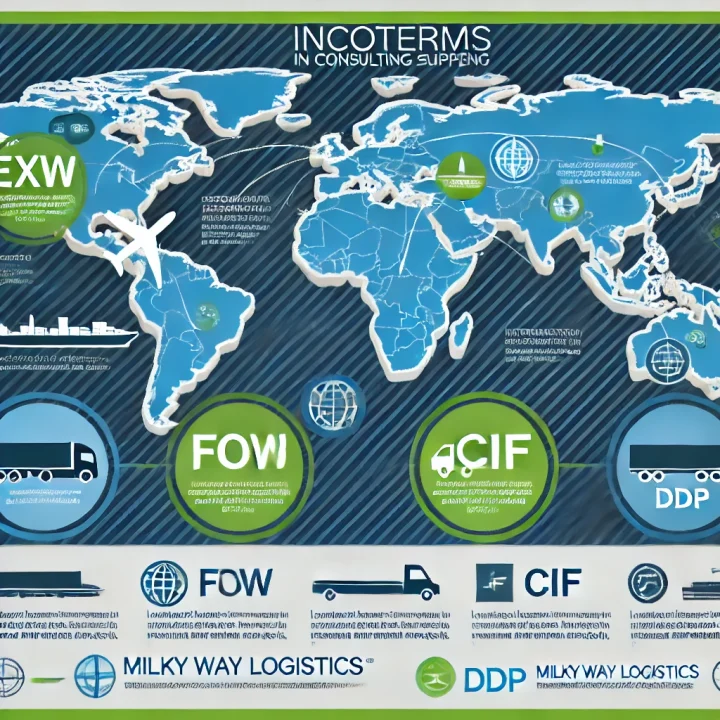
Incoterms also deserve close attention. Under EXW terms, the buyer may need to arrange collection and export formalities from the supplier’s premises. Under FCA, FOB, CIF, DAP or DDP arrangements, responsibilities change significantly. The agreed term should be workable for a rail and road movement, not simply copied from a previous sea-freight order.
A customs issue at destination can erase the advantage gained during transit. Checking documents before departure, confirming the importer-of-record details and preparing UK declarations in advance helps prevent avoidable delays and unplanned storage charges.
Choosing the right China rail route
There is no single best rail route from China. The suitable option depends on where the supplier is located, where your goods need to arrive, the cargo type and whether you need a full container or shared space.
Factories in central or western China may benefit from rail because the route avoids a lengthy domestic transfer to a coastal port. For suppliers close to Shanghai, Ningbo, Shenzhen or other port areas, sea freight may remain the better-value option unless the delivery deadline is tight. Northern and inland origins can have different terminal choices, schedules and equipment availability.
Destination planning matters just as much. A shipment headed for the Midlands, London, Manchester or another UK location may move through a European rail terminal before onward road transport and UK entry. The most direct-looking rail route is not always the quickest door-to-door route once terminal handling, ferry or Channel crossing arrangements, customs procedures and delivery mileage are included.
An experienced freight coordinator will compare available departures and build the route around the cargo’s real requirements, rather than forcing every shipment into the same service.
Preparing cargo for a reliable rail movement
Good preparation protects both the timetable and the goods. Pallets should be stable, adequately wrapped and suitable for repeated handling at terminals. Cartons need clear shipping marks, while fragile goods, machinery and high-value cargo may require export packing, crating, moisture protection or additional securing inside the container.
Accurate weights and dimensions are equally important. They influence equipment selection, loading plans, handling arrangements and the final quotation. Do not rely on estimated measurements from a supplier if the shipment is close to a container, pallet or weight threshold.
Businesses should also provide cargo-ready dates honestly. Booking rail freight against an optimistic factory completion date creates pressure throughout the movement. A realistic production schedule allows collection, documentation checks and terminal delivery to be organised properly.
A practical route plan for UK importers
Fast rail freight works best when it is part of a wider supply-chain decision. Milky Way Logistics can coordinate collection in China, carrier booking, documentation checks, customs formalities, transit planning, shipment monitoring and final UK delivery as one managed movement.
Before requesting a tailored quotation, have the supplier address, collection date, commodity description, HS code if known, number of packages, dimensions, gross weight, cargo value, Incoterms and final delivery postcode available. With these details, it is possible to compare rail against air, sea and multimodal alternatives on a like-for-like basis.
The useful question is not simply whether rail is faster than sea. It is whether the time saved will protect revenue, reduce stock risk or improve your production schedule enough to justify the additional cost. When the answer is yes, a well-planned rail service can give your China supply chain a faster, more balanced route forward.