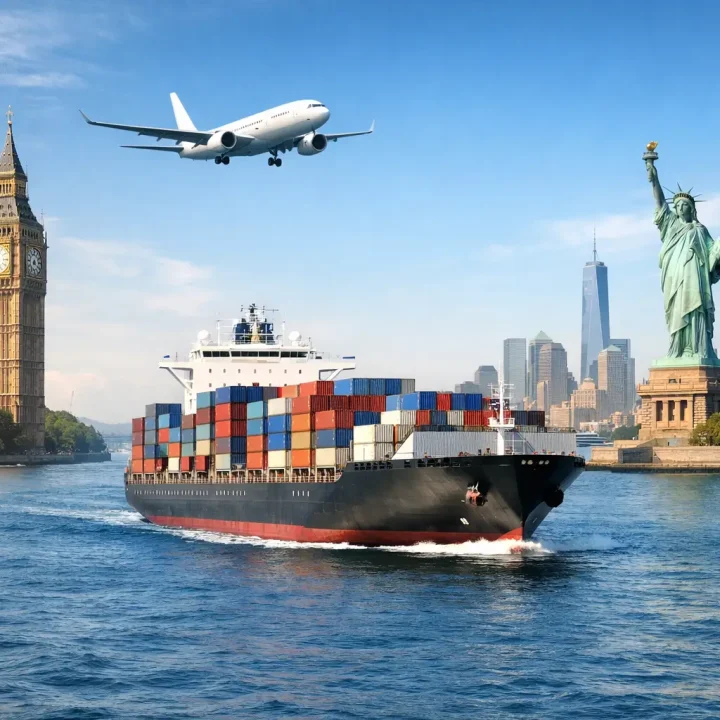
A supplier confirms that a production run is ready in Ho Chi Minh City, but that is only the start of the import journey. The right decision on shipping from Vietnam to UK can protect a launch date, reduce landed costs and prevent goods being held while documents are corrected. The wrong decision can leave stock waiting at a port, an unexpected duty and VAT bill, or a delivery plan that does not match the needs of the warehouse.
For UK businesses importing garments, furniture, machinery, electronics, packaging or consumer products, the best route depends on cargo volume, deadline, value and the agreed Incoterms. Freight should be planned around the commercial requirement, not simply around the lowest initial transport quote.
Shipping from Vietnam to UK: choose the right mode
Sea freight is normally the most cost-effective option for regular commercial imports and heavier consignments. A full container load (FCL) gives a business dedicated use of a 20ft, 40ft or 40ft high-cube container. It can be the practical choice when cargo is large enough to fill most of a container, when products need better security, or when loading at the supplier’s premises will make handling easier.
Less than container load (LCL) freight allows several customers’ consignments to share container space. It suits smaller shipments that do not justify an FCL, but it is not automatically cheaper. LCL pricing includes consolidation and deconsolidation, terminal handling and local delivery costs, so the total should be compared against an FCL once the shipment approaches container volume. LCL can also involve more handling, which matters for fragile or unusually shaped goods.
Air freight is the sensible option when stock is urgent, goods are high value relative to their weight, or a delay would cost more than the premium for a faster service. It is often used for samples, replacement parts, product launches and time-critical inventory. Air cargo is charged by actual or volumetric weight, whichever is greater, so lightweight but bulky cartons can be more expensive than expected. Accurate dimensions are essential before booking.
Rail and multimodal freight can provide a middle ground for suitable cargo, balancing transit time and cost between sea and air. Availability, routing, border processes and capacity can change, however, so it should be quoted as a live solution rather than assumed to be a fixed timetable.
A mixed approach is often the strongest supply-chain decision. Core stock may travel by sea, while a small air freight consignment covers an urgent shortfall. This controls the overall budget without allowing a delayed production batch to disrupt UK sales.
Transit times from Vietnam to the UK
Transit time is more than the period between a vessel sailing and arriving. Collection from the factory, export customs procedures, consolidation, port handling, transhipment, UK clearance and final delivery all need to be included in the plan.
As a broad guide, sea freight can take several weeks from Vietnam to the UK, with door-to-door movements commonly requiring around five to eight weeks depending on the origin, service, port congestion and delivery location. Air freight is usually measured in days rather than weeks, although collection, security screening, customs clearance and delivery still need to be allowed for. Rail and multimodal options generally sit between the two.
These ranges are planning indicators, not guarantees. Peak-season demand, weather disruption, carrier schedule changes, blank sailings and UK port congestion can affect the final arrival date. Importers should build sensible contingency into purchase orders, particularly where stock supports a seasonal promotion, retail delivery window or manufacturing schedule.
What determines the cost of freight from Vietnam?
A freight quote should show the transport method, collection point, cargo weight and dimensions, service scope and destination delivery requirement. The headline ocean or air rate is only one part of the landed cost.
For sea freight, costs may include origin collection, export handling, documentation, freight, UK terminal charges, customs clearance, delivery and any applicable detention or demurrage. Air freight may include collection, airline charges, screening, terminal handling, clearance and final-mile transport. Cargo that requires a tail-lift vehicle, timed delivery, a booking at a distribution centre or specialist handling will also need to be priced correctly from the outset.
Duty and import VAT should be calculated separately from freight, but they are central to the purchasing decision. Duty depends on the commodity classification, customs value and origin of the goods. Import VAT is normally charged at the applicable rate, subject to the importer’s VAT position and the chosen accounting arrangement. A preferential duty rate may be available for qualifying Vietnamese-origin goods under the UK-Vietnam trade agreement, but eligibility must be supported by the correct proof of origin. Do not assume that goods dispatched from Vietnam automatically qualify.
Incoterms determine where responsibility and cost pass between buyer and seller. Under FOB, for example, the buyer usually controls the main freight after the goods are loaded on board at the named port. Under EXW, the buyer has far more responsibility from the supplier’s premises, including export arrangements. Under DDP, the seller may arrange delivery with duties paid, but the importer should still be clear about who is making declarations, paying taxes and taking legal responsibility for compliance. The agreed term should be stated precisely, with a named place or port.
Customs clearance with confidence
Before goods leave Vietnam, the importer should confirm the commodity code, customs value, country of origin and any licences, safety requirements or product-specific controls. This is particularly relevant to products such as food, cosmetics, chemicals, medical goods, electrical equipment, timber products and goods subject to anti-dumping measures.
A typical import file will include:
- A commercial invoice showing seller and buyer details, goods description, quantity, unit value, currency and Incoterms.
- A packing list with carton, pallet or package counts, weights and dimensions.
- A transport document, such as a bill of lading for sea freight or air waybill for air freight.
- Evidence of origin where a preferential tariff is being claimed.
- Any product certificates, licences or declarations required for the commodity.
Descriptions must be specific. “Parts”, “samples” or “textiles” are unlikely to provide enough information for accurate classification or customs processing. A clear description identifies what the item is, what it is made of, how it is used and, where relevant, its model or composition. Invoice values should reflect the actual transaction and declared freight and insurance costs must be handled correctly for customs valuation.
A UK importer also needs the appropriate EORI number and should decide in advance how customs duty and VAT will be settled. Delays often occur because a clearance instruction arrives after the cargo, the importer cannot be contacted, or the documents do not match. Checking the paperwork before departure is usually far easier than resolving a query when goods are already at the port or airport.
Plan collection and delivery, not just international freight
The supplier’s location in Vietnam affects the route and cost. A factory near Ho Chi Minh City may move through southern gateway ports or airports, while cargo from Hanoi or Hai Phong will have different collection and export options. Collection needs to account for loading access, carton readiness, pallet requirements and whether export packing or crating is needed.
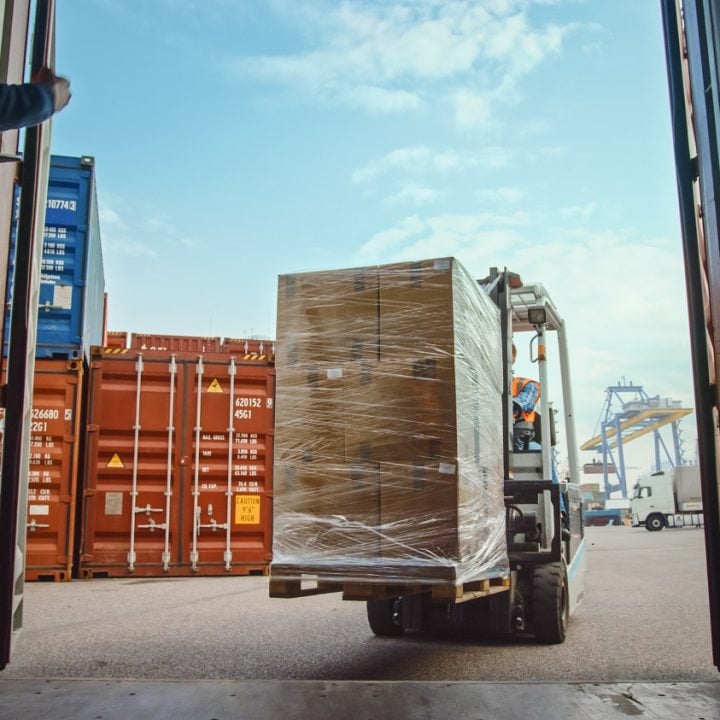
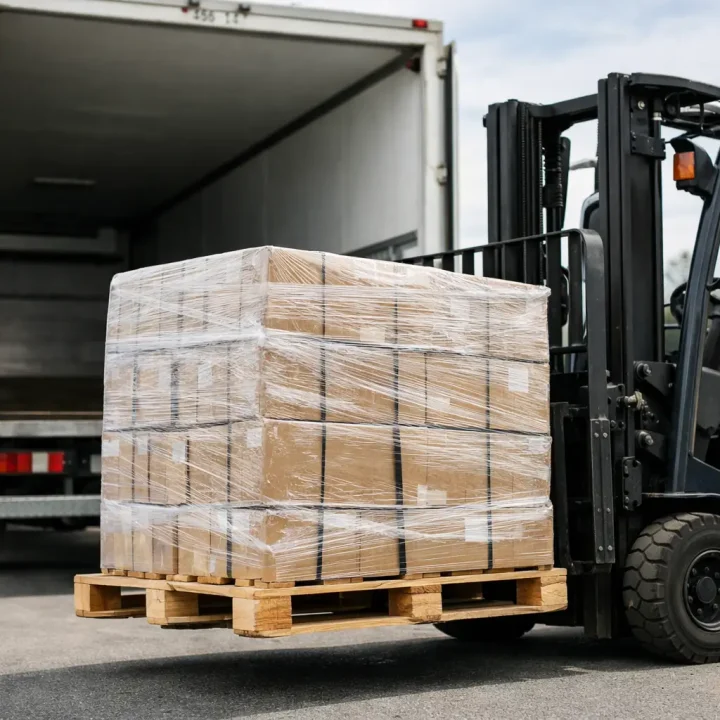
At the UK end, decide whether goods should go directly to a warehouse, into temporary storage, or through a distribution arrangement. Container deliveries require attention to unloading capacity, vehicle access and the permitted time for unloading. If a site cannot receive a container, devanning at a warehouse followed by pallet delivery may be more practical. It adds a handling stage, but may avoid failed delivery charges and operational disruption.
Cargo insurance is also worth addressing before departure. Carrier liability is limited and may not reflect the commercial value of the consignment. Insurance guidance should form part of the shipment plan, especially for high-value, fragile or sensitive goods.
Build a shipment plan that works commercially
A dependable import plan starts with accurate cargo information and a realistic ready date. Provide the supplier address, collection contact, commodity, number of packages, dimensions, gross weight, cargo value and desired delivery date. Flag any batteries, dangerous goods, oversized pieces or special handling requirements early, as these can affect the carrier and documentation needed.
Milky Way Logistics can coordinate collection in Vietnam, FCL and LCL sea freight, air freight, customs formalities, storage and final delivery across the UK, with a dedicated point of contact keeping the movement visible. A tailored quotation should set out the route, service scope and likely local charges clearly, so the business can compare options on total cost and operational fit rather than on a single freight figure.
When the next order is being placed, involve the freight plan before the supplier completes production. A few confirmed details at that stage can turn shipping from Vietnam to UK from a last-minute expense into a controlled part of the supply chain. Request a tailored, no-obligation freight quotation while there is still time to choose the route that serves the business best.