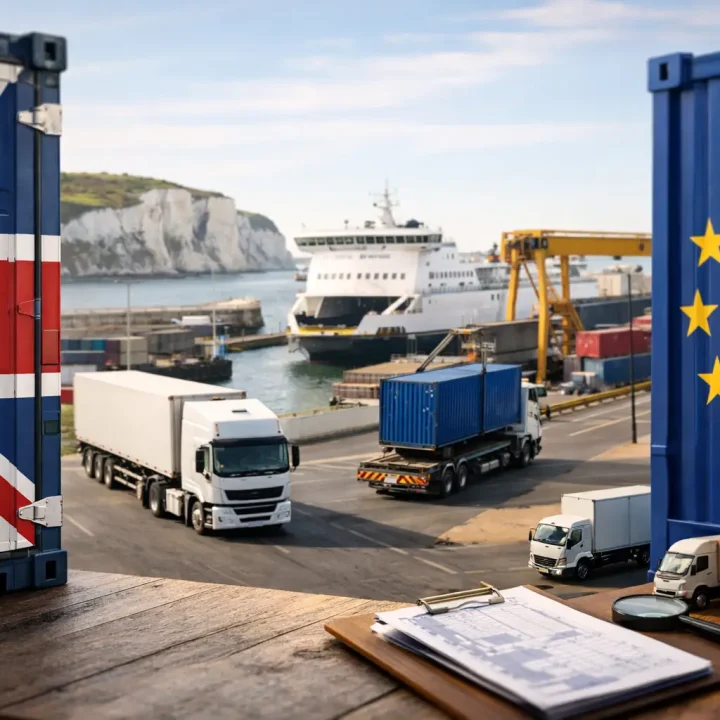
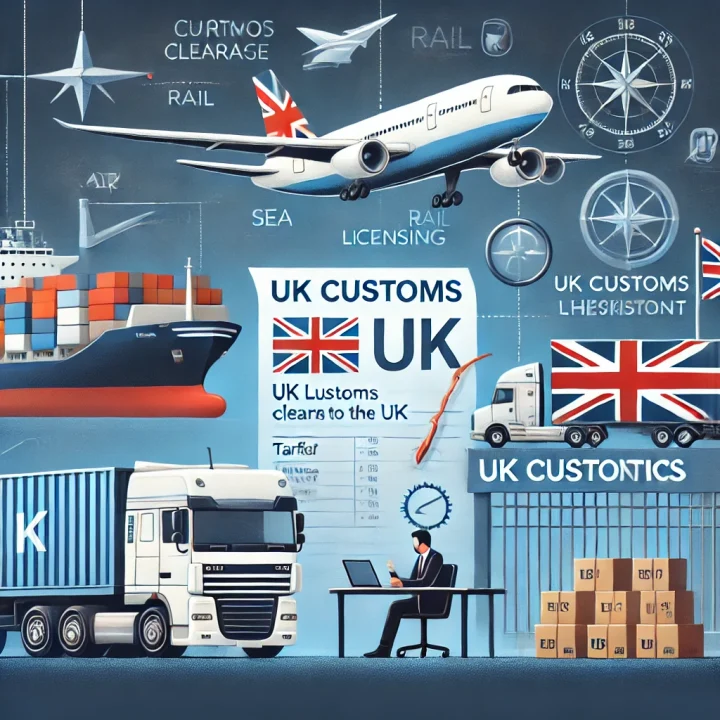
A full container can be one of the most cost-effective ways to move commercial goods internationally, but only when the plan accounts for more than the ocean freight rate. FCL container shipping from the UK involves equipment choice, collection timing, port processes, export customs, carrier cut-offs and destination arrangements. A missed detail at any stage can create avoidable storage, demurrage or delivery costs.
For importers, exporters and supply-chain teams, FCL is about controlling capacity and handling as much as it is about moving cargo. The right container, route and delivery plan should protect the goods, support the required transit time and give the business a clear view of its landed cost.
When FCL container shipping from the UK is the right choice
FCL means Full Container Load. The container is allocated to one shipper’s goods, even if the cargo does not fill every cubic metre. This differs from LCL, or Less than Container Load, where several consignments are consolidated into one container and separated at the destination.
FCL is usually the stronger option where a shipment is large enough to make container space worthwhile, where the cargo needs to travel without being mixed with other consignments, or where predictable handling is a priority. Manufacturers shipping production runs, wholesalers replenishing stock, and retailers moving seasonal inventory often benefit from a dedicated container.
It can also suit fragile, high-value or sensitive goods. With fewer handling stages between collection and final delivery, there is less exposure to the risks associated with consolidation and deconsolidation. That said, FCL is not automatically cheaper simply because a consignment is substantial. A partly filled container may cost more than LCL if the shipment is relatively small, particularly on a route with low LCL rates or where destination charges are significant.
The decision should consider the volume and weight of the cargo, required delivery date, commodity restrictions, loading requirements and the total door-to-door cost. Sea freight works well for planned stock movements. It is less suitable for an urgent production stoppage unless the saving against air freight justifies the additional transit time.
Choose container equipment around the cargo
Standard dry containers are commonly available in 20ft and 40ft lengths. A 20ft container is often appropriate for dense, heavy cargo such as machinery parts, metal products or bagged goods, because container payload limits can be reached before the available volume is used. A 40ft container provides more cubic capacity for lighter but bulkier freight.
A 40ft high-cube container offers additional internal height and is frequently used for palletised goods, furniture, retail stock and other volume-led loads. It can be a practical choice where an extra row of cartons or pallets avoids the need for a second container.
Some cargo needs specialist equipment. Refrigerated containers maintain a controlled temperature for perishable or temperature-sensitive goods. Open-top containers can be used when machinery or awkward cargo must be loaded from above. Flat-rack equipment may be required for oversized project cargo that cannot fit inside a conventional container. Dangerous goods need suitable equipment, approved packaging, accurate declarations and carrier acceptance before shipping.
Container selection is not only about dimensions. Cargo must be safely distributed, secured and kept within permitted gross weight limits. Poor weight distribution can create problems during road collection, terminal handling and vessel loading. A loading plan should account for pallet dimensions, stacking strength, lashing points, moisture protection and unloading access at destination.
Live loading or drop-and-collect?
For UK collections, the container may be delivered to the collection point for live loading while the driver waits, or dropped for loading and collected later. Live loading can reduce equipment hire costs, but it requires a prepared loading team, clear vehicle access and a realistic loading window.
A drop-and-collect arrangement gives more time to load and secure the freight. It may be preferable for complex machinery, large quantities of pallets or cargo that requires inspection and careful packing. However, extended container use can attract additional charges, so the agreed loading period needs to be understood before collection is booked.
Build the rate around the full movement
An FCL quotation should be evaluated as a complete transport plan, not just a headline sea freight figure. The ocean freight rate may be only one part of the cost. Collection, container positioning, export terminal handling, documentation, customs clearance, carrier surcharges, destination terminal charges, customs examination costs where applicable, and final delivery all need consideration.
The final amount depends on the port pair, carrier, season, equipment availability, commodity, container type and required service level. Peak shipping periods can affect vessel space and prices, while some routes are subject to schedule changes or port congestion. A lower freight rate may not represent the best value if it relies on a less suitable departure, a longer transhipment or limited free time at destination.
Free time is particularly important. Detention generally relates to use of the container outside the port or terminal beyond the agreed allowance. Demurrage commonly applies when a container remains within the terminal beyond free time. Definitions and charging structures vary by carrier and port, so businesses should confirm the applicable terms for each shipment rather than relying on assumptions from a previous route.
Clear Incoterms also matter. Under EXW, FCA, FOB, CFR, CIF, DAP or DDP arrangements, the point at which cost, risk and responsibility transfer can be very different. The named place should be precise, and the commercial agreement should match the operational plan. For example, arranging a container collection under one term while expecting another party to complete export formalities can lead to confusion and delay.
Prepare UK export documents before the container is collected
Documentation should be checked before the cargo reaches the port. At minimum, a commercial invoice and packing list should accurately describe the goods, quantities, values, weights, country of origin and the agreed Incoterm. The commodity description needs to be meaningful enough for customs purposes. Terms such as parts, samples or goods are rarely sufficient on their own.
The correct commodity code, usually referred to as an HS code, influences export declarations and may affect duty treatment at destination. Depending on the goods and market, supporting documents may include a Certificate of Origin, licences, safety documentation, packing declarations or dangerous goods paperwork.
For UK exports, the customs declaration must be completed correctly and within the required timeframe. The exporter also needs the appropriate registration details and a clear understanding of who is responsible for the declaration. Inaccurate values, inconsistent weights or incomplete commodity information can hold up the shipment and create complications for the consignee’s import clearance.
A freight forwarder can coordinate document checks, customs formalities, carrier bookings and port instructions, but the exporter remains responsible for supplying accurate commercial information. Early document review is far easier than correcting a declaration after the container has entered the terminal.
Plan to carrier cut-offs, not just vessel departure
A vessel’s published sailing date is not the only deadline that matters. Carriers set separate cut-offs for empty container collection, verified gross mass submission, hazardous cargo approval, customs documentation and container gate-in at the port. Missing any of these can mean the container rolls to a later sailing.
Verified Gross Mass, often called VGM, confirms the loaded container weight. It must be submitted using an approved method before the carrier’s deadline. The figure should reflect the cargo, packing materials, pallets and container tare weight as required by the selected method. An inaccurate declaration presents both compliance and safety risks.
Build contingency into the schedule, especially when goods are travelling from a factory or warehouse some distance from the departure port. Road congestion, late production, loading delays and weather disruption can all affect gate-in. A practical schedule leaves time to solve a problem before the container misses its booked vessel.
Do not leave destination delivery until arrival
The shipment is only successful when the container is cleared and delivered without avoidable delay. Before departure, confirm the consignee’s import arrangements, customs broker, delivery address, unloading facilities and available delivery slots. A 40ft container delivery requires suitable access, turning space and a safe unloading plan. Some sites need a tail-lift alternative, palletised onward distribution or devanning at a warehouse rather than direct container delivery.
Destination customs requirements should be considered before the goods leave the UK. This is especially important for controlled goods, products subject to local labelling rules, food and agricultural cargo, electronics and goods requiring certificates or conformity documentation. Duty and VAT liability should be agreed in advance, including the importer of record where relevant.
Milky Way Logistics can coordinate FCL sea freight from collection in the UK through carrier booking, export documentation, customs support, destination clearance and final delivery. A dedicated plan gives businesses one point of contact while keeping responsibility, timings and costs visible at each stage.
A well-prepared FCL shipment should not depend on chasing updates after the container is on the water. Provide the cargo details, collection postcode, destination, preferred shipping window and delivery requirements early, then request a tailored, no-obligation freight quotation built around the movement your business actually needs.