A shipment can leave a supplier on time and still create costly problems if the wrong carrier is booked, a customs declaration is incomplete or delivery at the destination has not been arranged. This is where international freight forwarding provides practical control. It brings transport, documentation, customs and delivery activity into one managed shipping plan.
What Is International Freight Forwarding?
International freight forwarding is the professional coordination of goods moving between countries. A freight forwarder plans the route, selects suitable transport services, arranges carrier bookings, prepares and checks shipping documents, coordinates customs formalities and monitors the shipment through to its agreed delivery point.
The forwarder may not own the aircraft, vessel, train or lorry carrying the cargo. Its value lies in managing the network and the detail around that movement. For a UK importer or exporter, this means having one point of contact to coordinate collection, international transport, port or airport handling, clearance, temporary storage and final-mile delivery.
Freight forwarding can cover a single port-to-port movement, but it is often used for door-to-door supply-chain management. The scope depends on the cargo, route, Incoterms and commercial requirements. A pallet of retail stock from Europe needs a different plan from a container of machinery from China or urgent electronic components arriving by air freight.
What an International Freight Forwarder Does
A capable forwarder starts by understanding the shipment rather than simply quoting a transport price. The collection and delivery locations, commodity, dimensions, weight, cargo value, readiness date and required transit time all affect the available options. Restrictions also matter. Dangerous goods, fragile items, high-value products, personal effects and oversized cargo require specific handling, packing or carrier acceptance.
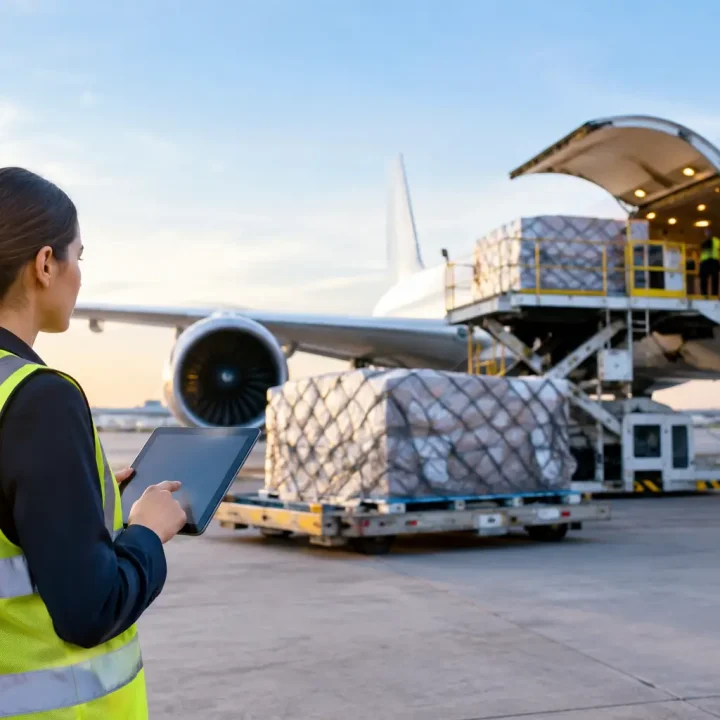
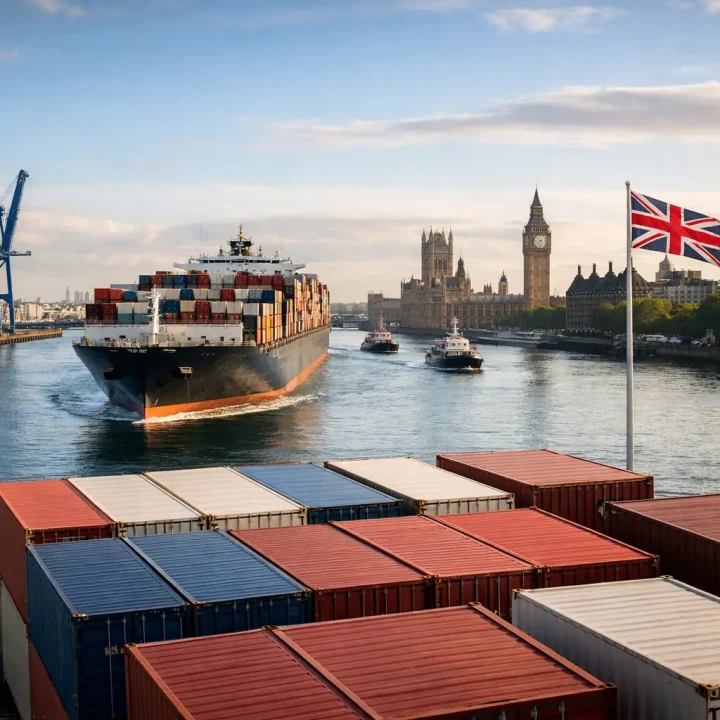
The forwarder then builds a route around the balance of speed, cost and reliability. Air freight is generally the right choice for urgent, lower-volume or high-value goods where time is commercially critical. Sea freight is usually more economical for larger volumes and longer planning windows. Full container load, or FCL, gives one shipper use of a container, while less than container load, or LCL, consolidates compatible smaller consignments.
European road haulage can offer direct collection and delivery for pallets, part loads and full loads. Rail freight may be suitable on selected trade lanes where schedules and cargo type fit. Multimodal transport combines modes, such as road collection, sea freight and final delivery by lorry, to create a workable end-to-end solution.
Carrier booking is only one part of the work. A forwarder also coordinates collection slots, export handling, terminal cut-off times, container loading, warehouse movements and destination agents. This reduces the risk of a shipment missing a sailing, flight or customs deadline because one stage was not aligned with the next.
Customs clearance and trade documents
International movements involve more than transport. Goods crossing borders must be declared accurately, and the paperwork must support what is being shipped. Errors can lead to delays, inspections, additional costs or goods being held at the border.
A freight forwarder helps check the key information used for customs and shipping, including:
- commercial invoices and packing lists
- HS codes and commodity descriptions
- exporter and importer details
- origin information and Certificates of Origin where required
- Incoterms, customs values, duty and VAT arrangements
- export declarations, transit documents and carrier paperwork
The importer or exporter remains responsible for providing accurate commercial information. However, experienced coordination helps identify gaps before cargo moves. This is particularly valuable for businesses shipping internationally for the first time, or those introducing new products, suppliers or destination markets.
How International Freight Forwarding Works in Practice
A typical shipment begins with a freight quotation based on confirmed cargo and routing details. The quotation should make clear what is included, such as collection, freight, customs clearance, terminal charges, delivery or cargo insurance guidance. Low headline freight rates can be misleading if local charges, storage exposure or destination delivery costs have not been considered.
Once the service is agreed, the forwarder schedules collection or receives the goods at a warehouse. Cargo may need palletisation, export packing or crating before it is accepted for transport. Correct packing is an operational necessity, not an afterthought. It protects the goods, supports safe loading and can prevent carrier refusal where dimensions, labelling or dangerous-goods requirements are not met.
The shipment then moves through export formalities and onto the selected carrier. During transit, the forwarder monitors milestones and provides updates where exceptions arise. Delays can still occur due to weather, congestion, vessel schedule changes, customs examinations or capacity shortages. Good freight management cannot remove every disruption, but it can provide early visibility and practical alternatives.
At destination, the cargo is cleared, collected from the terminal or warehouse and delivered according to the agreed service. For some shipments, this includes unpacking arrangements, timed delivery, tail-lift vehicles, specialist equipment or secure handling. The final delivery stage deserves the same planning as international transport, particularly for machinery, sensitive goods or sites with restricted access.
Choosing the Right Freight Option
There is no single best mode of transport. The right option depends on the commercial consequence of late delivery, the volume being moved and the total landed cost. Sending heavy, non-urgent stock by air may protect availability but add unnecessary cost. Choosing the cheapest sea service for production-critical components may create a more expensive problem if a delay stops operations.
It is also worth comparing transit time with actual planning time. A quoted sea transit might look attractive, but the overall movement includes supplier readiness, origin collection, consolidation, port handling, customs clearance and destination delivery. Similarly, air freight is fast in transit but can lose its advantage if documents or cargo screening are not ready.
Incoterms should be agreed before transport is booked. They set out responsibilities between buyer and seller for transport, risk, export formalities and, depending on the term, import arrangements. They do not replace a freight plan, but they determine who needs to instruct it and who may face unexpected costs.
Why Businesses Use a Freight Forwarder
For regular importers and exporters, forwarding provides consistency across shipments, carriers and markets. For occasional shippers, it offers access to specialist knowledge without having to manage every transport provider, customs process and warehouse separately. Both benefit from having the full movement considered rather than treating freight as a series of isolated bookings.
A forwarder can also help control costs through route planning, consolidation, suitable equipment selection and clear charge visibility. The cheapest quote is not always the most competitive once delays, storage, demurrage, detention or failed deliveries are taken into account. Reliable planning protects both the freight budget and customer commitments.
Communication is equally important. Operations teams need to know whether cargo has been collected, departed, cleared and scheduled for delivery. A dedicated contact who can explain the shipment status and act when conditions change is more useful than a tracking reference with no context.
Questions to Ask Before You Book
Before requesting a rate, prepare the pickup and delivery postcodes, cargo dimensions and gross weight, number of packages, commodity description, cargo value, collection date and required delivery date. State whether the goods are stackable, hazardous, temperature-sensitive, oversized or especially fragile. If the shipment is an import, confirm who will act as importer of record and how duty and VAT will be handled.
Ask whether the price includes collection, customs entries, terminal handling, destination charges and final delivery. Confirm the expected transit time, service level and any potential storage deadlines. These questions make quotations easier to compare and help prevent avoidable costs later.
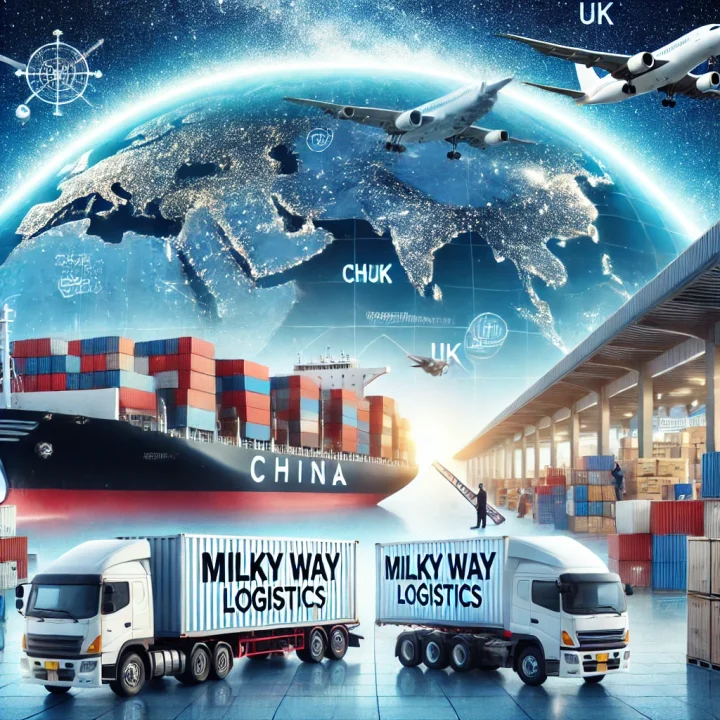
Milky Way Logistics coordinates air, sea, road, rail and multimodal freight with customs and documentation support for businesses shipping from the UK and worldwide. A tailored, no-obligation freight quotation starts with the real requirements of your cargo, route and delivery commitment.